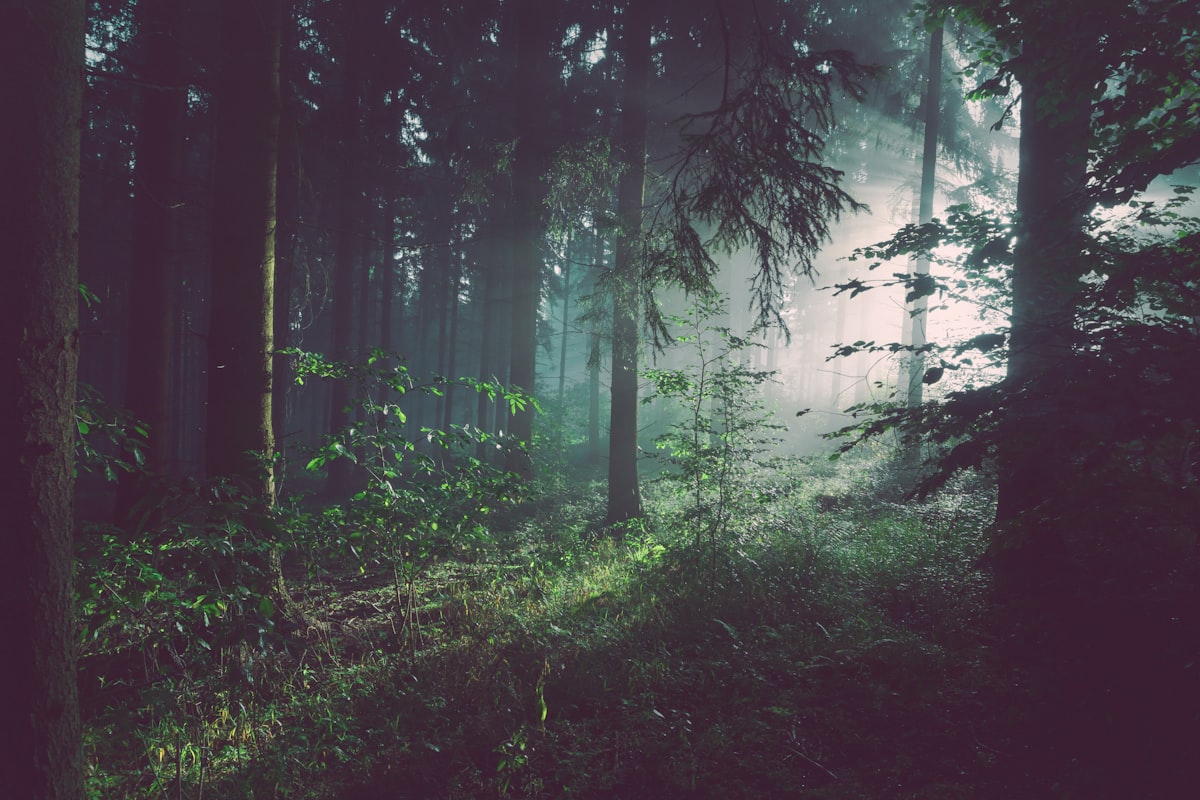
What Is Ecotherapy and How Does It Work?
In a world that moves faster every day—where screens dominate our attention, deadlines loom like storm clouds, and the hum of city life rarely quiets—many of us are quietly craving something deeper: stillness, connection, and a sense of belonging. Enter ecotherapy: not just a trendy wellness buzzword, but a powerful, evidence-based practice that invites us back to the earth—and to ourselves.
What Is Ecotherapy?
Ecotherapy, also known as nature therapy or green therapy, is a therapeutic approach that uses nature as a catalyst for healing, growth, and mental well-being. Rooted in the understanding that humans are inherently connected to the natural world, ecotherapy operates on a simple but profound idea: when we heal our relationship with nature, we heal parts of ourselves that have been neglected.
It’s not about hugging trees (though that can help!)—it’s about intentional, mindful engagement with the natural environment to reduce stress, improve mood, enhance self-awareness, and foster resilience. Ecotherapy can take many forms, from guided forest walks and gardening projects to wilderness expeditions and animal-assisted activities in natural settings.
And the best part? You don’t need to live near a national park to benefit. Even small doses of nature—tending a windowsill herb garden, listening to birdsong during your lunch break, or walking barefoot on grass—can shift your nervous system from “fight or flight” to “rest and digest.”
How Does Ecotherapy Work?
Science is catching up to what indigenous cultures and poets have known for millennia: nature heals. Here’s how ecotherapy works on psychological, physiological, and emotional levels:
1. It Calms the Nervous System
Spending time in nature lowers cortisol (the stress hormone), reduces heart rate, and decreases blood pressure. Studies show that just 20 minutes in a green space can significantly reduce stress markers. The sights, sounds, and smells of nature—rustling leaves, flowing water, earthy scents—activate the parasympathetic nervous system, signaling safety to your brain.
2. It Restores Attention and Focus
Ever feel mentally foggy after hours of screen time? That’s “directed attention fatigue.” Nature offers soft fascination—gentle, effortless engagement (like watching clouds drift or ants march)—that allows your overworked prefrontal cortex to rest and recharge. This is the foundation of Attention Restoration Theory, a key concept in ecotherapy.
3. It Encourages Mindfulness and Presence
Nature doesn’t care about your to-do list. It invites you into the present moment: the warmth of sun on your skin, the texture of bark under your fingers, the rhythm of your breath syncing with the wind. This inherent mindfulness helps break cycles of rumination and anxiety, grounding you in what is, not what could be or should have been.
4. It Fosters Connection and Belonging
Loneliness and disconnection are silent epidemics. Ecotherapy counters this by reminding us we’re part of a larger web of life. Whether you’re planting seeds, observing wildlife, or sitting quietly under a tree, you’re participating in something ancient and enduring. That sense of belonging—of not being separate—can be profoundly healing.
5. It Supports Emotional Processing
Nature provides metaphor and mirror. A storm passing might reflect your own emotional turbulence; a budding flower might symbolize hope. Therapists trained in ecotherapy often use nature-based rituals, journaling prompts, or symbolic acts (like releasing a stone into a stream) to help clients process grief, trauma, or transition.
Who Can Benefit from Ecotherapy?
The short answer: everyone. But it’s especially powerful for those dealing with:
- Anxiety and depression
- Chronic stress or burnout
- PTSD and trauma
- Grief and loss
- ADHD (particularly in children)
- Recovery from addiction
- Feelings of isolation or disconnection
And you don’t need a diagnosis to benefit. If you’ve ever felt calmer after a walk in the woods, more inspired after watching a sunset, or strangely peaceful while pulling weeds in the garden—you’ve already experienced ecotherapy in action.
Simple Ways to Start Practicing Ecotherapy
You don’t need a therapist or a retreat to begin. Try these accessible practices:
- Mindful Nature Walks: Walk slowly, without headphones. Engage your senses—what do you see, hear, smell, feel?
- Sit Spot Practice: Choose a regular outdoor spot (a bench, a tree, a patch of grass) and visit it daily or weekly. Just sit. Observe. Be.
- Gardening or Plant Care: Nurturing life—even a single succulent—builds patience, responsibility, and connection.
- Nature Journaling: Sketch, write poetry, or jot down observations. Let nature inspire your inner voice.
- Earthing (Grounding): Walk barefoot on natural surfaces (grass, sand, soil) for 10–15 minutes. Emerging research suggests it may reduce inflammation and improve sleep.
- Volunteer for Conservation: Trail cleanups, tree planting, or community gardens combine purpose, movement, and nature—triple therapy.
A Gentle Invitation
Ecotherapy isn’t about escaping life—it’s about returning to it, more fully. In a culture that often treats nature as scenery or a resource, ecotherapy reminds us: we are not in nature. We are nature.
So the next time you feel overwhelmed, restless, or strangely empty despite being “busy,” consider stepping outside. Let the trees hold your worries. Let the sky remind you of your vastness. Let the earth support you—literally and figuratively.
Because sometimes, the most radical act of self-care isn’t another app, another supplement, or another hack.
It’s simply: go outside. Breathe. Listen. Be.
Your soul already knows the way home.
It’s been waiting for you under the open sky.
Have you tried ecotherapy? Share your favorite nature-based practice in the comments below—I’d love to hear how the wild has healed you.