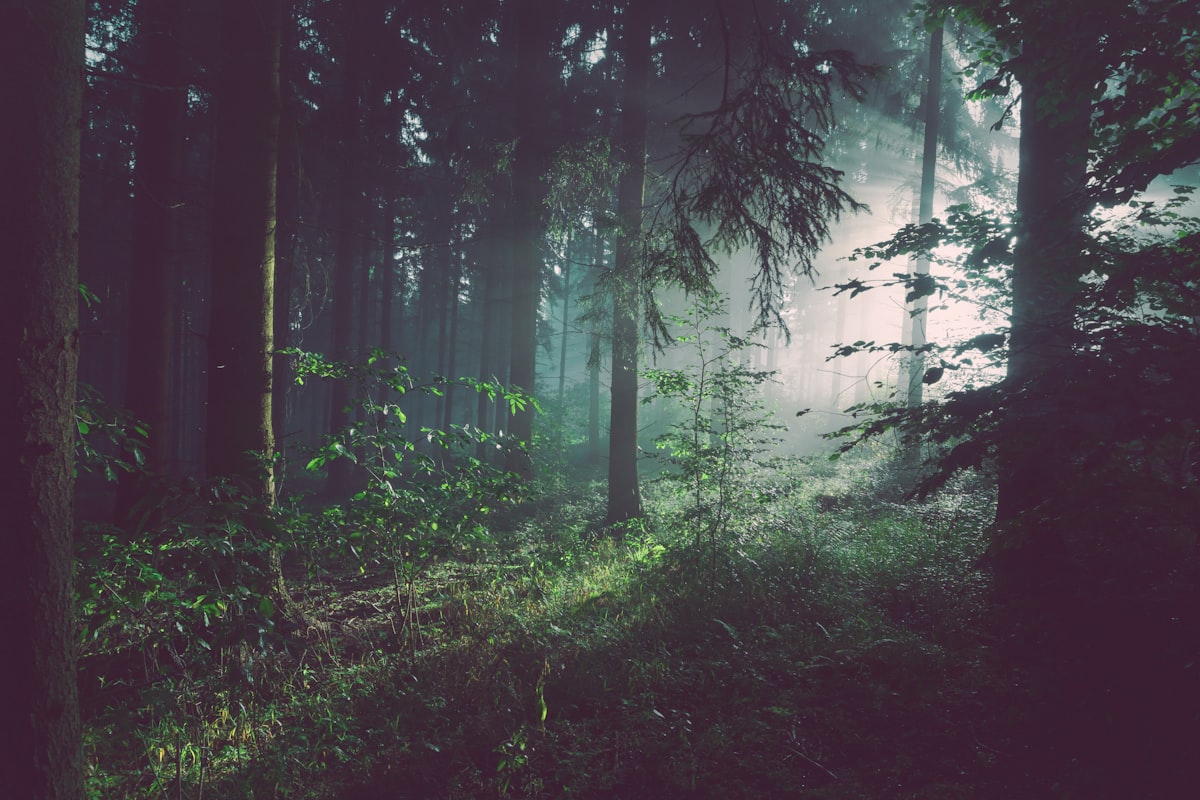
What Is a Forest Retreat and How Do You Plan One?
Category: Escape
In a world that never stops buzzing—emails pinging, calendars overflowing, screens glowing late into the night—it’s no wonder so many of us crave stillness. We long for the hush of wind through leaves, the scent of damp earth after rain, the quiet rhythm of our own breath syncing with nature’s pulse. Enter the forest retreat: not just a getaway, but a homecoming.
What Is a Forest Retreat?
A forest retreat is an intentional immersion in a woodland environment designed to restore, reflect, and reconnect—with nature, with oneself, and sometimes, with others. Unlike a typical vacation focused on sightseeing or activity-checklists, a forest retreat emphasizes presence. It’s about slowing down, shedding the noise, and allowing the forest to do its quiet work of healing.
Whether it’s a solo weekend in a rustic cabin, a guided mindfulness retreat deep in the woods, or a self-designed escape into a national forest, the essence remains the same: the forest as sanctuary.
Forests have long been revered across cultures as places of wisdom and renewal. Modern science now backs what ancient traditions knew: time spent in forests lowers cortisol, reduces blood pressure, boosts immunity, and enhances mood—a practice so potent it has a name: forest bathing (or shinrin-yoku, originating in Japan).
Why Plan a Forest Retreat?
Because we weren’t meant to live indoors, glued to screens, severed from the natural cycles that once guided our lives. A forest retreat offers:
- Mental clarity: The absence of urban distractions allows the mind to untangle.
- Emotional reset: Nature doesn’t demand performance; it simply is, inviting us to do the same.
- Physical renewal: Walking on soft earth, breathing clean air, and moving gently recharges the body.
- Spiritual reconnection: Many report feeling a deeper sense of belonging, awe, or inner peace in the woods.
In short: a forest retreat isn’t indulgent—it’s essential.
How to Plan Your Own Forest Retreat
You don’t need a luxury eco-lodge or a week-long sabbatical to benefit. Even 24 hours can shift your state of being. Here’s how to plan a meaningful forest retreat, whether you’re going solo or with a small group:
1. Define Your Intention
Ask yourself: What do I need right now?
Is it rest? Insight? Grief processing? Creativity? Clarity?
Your intention will shape everything—from location to duration to activities. Write it down. Return to it.
2. Choose Your Forest Wisely
Not all forests offer the same vibe. Consider:
- Accessibility: How far are you willing to travel? Is it drive-in, or do you need to hike in?
- Solitude vs. Community: Do you want total seclusion, or a small group retreat with shared meals and optional guidance?
- Amenities: Are you okay with primitive camping, or do you need a roof, running water, and a composting toilet?
- Season & Weather: A summer retreat differs greatly from a snowy winter one. Prepare accordingly.
Options include:
- National or state forests (often free or low-cost dispersed camping)
- Private retreat centers offering forest immersion programs
- Cabin rentals on platforms like Hipcamp, Airbnb, or Glamping Hub
- Land trusts or conservation areas with permitted overnight stays
3. Pack Light, Pack Right
Bring only what supports your intention. Leave the rest behind.
Essentials might include:
- Shelter (tent, tarp, or cabin booking)
- Warm layers and rain gear (forests are damp and cool)
- Sturdy footwear
- Journal and pen
- Reusable water bottle + filtration or purification method
- Minimal food (simple, nourishing meals—think oats, nuts, dried fruit, tea)
- Optional: meditation cushion, yoga mat, book, or sketchpad
- Leave the laptop. Leave the work email. If you must bring a phone, switch it to airplane mode except for emergencies.
4. Design a Gentle Rhythm
Forget rigid schedules. Instead, create a flow:
- Wake with the light
- Move slowly—stretch, walk, sit
- Eat mindfully
- Spend time in stillness: meditation, breathwork, or just listening
- Explore without destination: wander a trail, touch bark, watch light through leaves
- End the day with gratitude: journal, sit by a fire (if permitted), or simply gaze at the stars
Let the forest set the pace.
5. Embrace Discomfort (It’s Part of the Gift)
You might feel bored. Restless. Lonely. Cold.
Good.
These sensations are invitations—not to fix, but to feel. The forest doesn’t entertain; it reveals. Discomfort often precedes breakthrough.
6. Leave No Trace
Honor the forest that hosted you. Pack out everything you bring in. Stay on trails. Avoid disturbing wildlife. Let your retreat leave only footprints—and take only memories, photos, and a quieter heart.
Returning, Changed
The true measure of a forest retreat isn’t how peaceful you felt in the woods—it’s how you carry that peace back into the world. Do you pause before reacting? Do you notice the sky more? Do you breathe deeper?
A forest retreat is not an escape from life—it’s a return to it. To what matters. To what sustains us. To the quiet, enduring truth that we are not separate from nature—we are of it.
So go. Find your forest. Let it remind you who you are beneath the noise.
And when you return, bring the forest with you— in your breath, in your steps, in the way you now listen.
Have you been on a forest retreat? Share your experience in the comments below—I’d love to hear how the trees spoke to you.