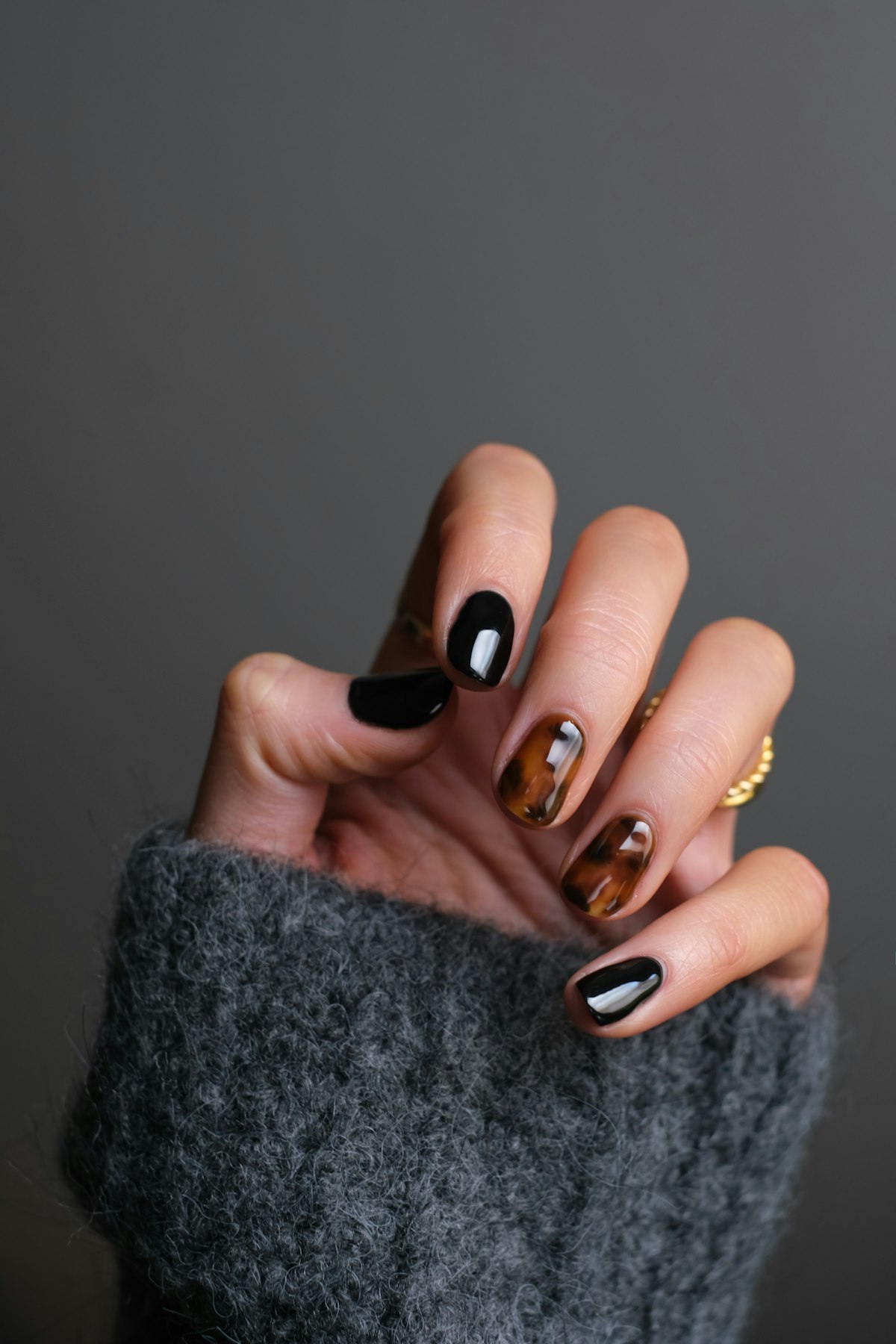
What Is a Dip Powder Manicure and How Does It Compare?
By [Your Name] | Refresh Your Nail Routine
If you’ve been scrolling through nail art inspiration on Instagram or noticed your favorite salon offering a new service, you’ve likely encountered the buzz around dip powder manicures. But what exactly is a dip powder manicure? How does it stack up against traditional gel, acrylics, or regular polish? And is it worth trying? Let’s break it down, refreshingly simple.
🌟 What Is a Dip Powder Manicure?
A dip powder manicure, often called “SNS” after the brand Signature Nail Systems, though many brands now offer it, is a nail enhancement technique that combines the durability of acrylics with the ease and shine of gel polish, without the UV lamp. While it may seem like a simple coat of paint, it is actually a chemical process that creates a hard, protective shell over the natural nail.
Here’s how it works in detail:
- Prep: Nails are cleaned, shaped, and lightly buffed. This step is crucial because removing the natural oils from the nail plate ensures the product adheres properly and prevents premature lifting.
- Base Coat: A bonding liquid, which typically contains a cyanoacrylate resin, is applied to the nail. This acts as the glue that holds the powder in place.
- Dip: The nail is dipped into a colored acrylic powder, or the powder is brushed on for more precision. This powder consists of polymers that harden when they react with the base liquid.
- Repeat: Steps 2 and 3 are repeated 2 to 3 times. This layering process allows the technician to build opacity and strength, ensuring the color is saturated and the nail is reinforced.
- Seal: An activator liquid is applied to the surface. This chemical catalyst hardens the powder instantly, meaning no UV or LED light is needed to cure the nail.
- Finish: Because the dipping process can leave the surface slightly uneven, nails are filed and buffed to a smooth finish. Finally, they are topped with a glossy sealant for a high shine.
The result is a smooth, chip-resistant, long-lasting manicure that can last 2 to 4 weeks, which is often longer than gel polish, and feels lighter and more natural than traditional acrylics. It provides a structural support system for those who want to grow their natural nails without them snapping.
🔍 How Does Dip Powder Compare?
Let’s pit dip powder against the most common alternatives to help you decide which service fits your lifestyle and nail health needs.
| Feature | Dip Powder | Gel Polish | Acrylics | Regular Polish |
|---|---|---|---|---|
| Longevity | 2–4 weeks | 2–3 weeks | 3–4 weeks (with fills) | 3–7 days |
| Application Time | 20–30 mins | 20–30 mins (with lamp) | 30–45 mins | 10–15 mins |
| UV/LED Light? | ❌ No | ✅ Yes | ❌ No (air-dries) | ❌ No |
| Removal | Soak in acetone (10–15 mins) | Soak in acetone (10–15 mins) | File down + soak (can damage) | Peel or remover |
| Nail Health | Gentler than acrylics; less filing | Can weaken nails over time | Harsh; requires heavy filing | Least damaging |
| Look & Feel | Natural, lightweight, glossy | Shiny, slightly thick | Thick, can look “fake” | Thin, prone to chipping |
| Odor | Mild (low VOC) | Mild | Strong (monomer smell) | None |
| Best For | Those wanting durability without UV or bulk | Gel lovers wanting longer wear | Those needing extreme length/strength | Quick, low-cost touch-ups |
When analyzing this table, the most significant difference is the curing process. Gel polish requires a UV or LED lamp to harden the polymer, whereas dip powder uses a chemical activator. For those with sensitive skin or concerns about UV exposure, this makes dip powder a more attractive option. While acrylics are the gold standard for adding extreme length via extensions, dip powder is generally better for those who prefer their natural nail length but want a hard, protective coating that resists daily wear and tear.
✅ Pros of Dip Powder
- No UV lamp needed → This is a major benefit for health conscious clients. It removes the risk of photoaging or skin irritation caused by frequent exposure to UV rays.
- Long-lasting → Because the powder creates a thicker, harder layer than regular polish, it resists chips, peeling, and fading much better than gel. It is an excellent choice for people who work with their hands.
- Lightweight feel → While it provides strength, it does not feel as heavy or bulky as traditional acrylics, allowing the nail to move more naturally.
- Wide color range → From soft neutrals and classic reds to glitter, ombre, and French tips, the versatility of powder is impressive.
- Less damaging → Dip powder generally requires less aggressive filing than acrylics. Additionally, the absence of strong monomer fumes makes the salon experience more pleasant for those with scent sensitivities.
⚠️ Cons to Consider
- Sanitation concerns → There is a legitimate risk if salons reuse powder. If multiple clients dip their fingers into the same jar, there is a risk of cross contamination. Always ask if they use a disposable brush or pour the powder onto a disposable surface to ensure your safety.
- Removal requires acetone → You cannot simply wipe dip powder away. It must be soaked in pure acetone, which can dry out the nails and cuticles if overused. It is essential to apply a nourishing cuticle oil after removal.
- Not ideal for very weak nails → While gentler than acrylics, the product still adds a certain amount of weight and tension to the nail plate. Those with extremely brittle nails may need a break between sets to avoid peeling the natural nail layers.
- Learning curve for DIY → At home kits are available, but achieving a professional, bubble free finish takes practice. Over applying the base coat can lead to clumps or a thick, unnatural look.
💡 Is Dip Powder Right for You?
Try dip powder if:
- You love the high shine and longevity of gel polish but hate the UV lamp or have skin sensitivities.
- You want something longer lasting than polish but do not want the thickness or the strong chemical smell associated with acrylics.
- You are looking for a salon service that is relatively quick, odor free, and requires very low maintenance between appointments.
- You enjoy experimenting with colors and finishes, such as glitter, matte, or chrome, without the fuss of multiple layers of traditional polish.
Skip it if:
- You have very thin, brittle, or damaged nails. In this case, it is best to give them a break and use a keratin treatment before applying any enhancements.
- You are concerned about salon hygiene and cannot find a technician who uses sterile, individual powder application methods.
- You prefer the absolute thinnest, most natural feel. If you dislike any added thickness on the nail, you are better off sticking to bare nails or a strengthening base coat.
🌿 Final Thoughts: A Refreshing Alternative
Dip powder manicures are not just a trend, they are a smart evolution in nail care. They bridge the gap between the convenience of polish and the resilience of enhancements, all while skipping the UV exposure and harsh chemicals of older methods. For anyone seeking a long lasting, salon quality manicure that feels light, looks polished, and does not require a lamp, dip powder is a refreshing upgrade.
Just remember, hygiene matters. Choose a reputable salon that uses individual powder application, avoiding communal dipping, and always moisturize your cuticles and nails between sessions to counteract the drying effects of acetone.
Ready to dip in? Your nails might just thank you.
— Refresh your routine. One dip at a time.
Pro Tip: Want to try it at home? Look for brands like Kiara Sky, SNS, or Revel that offer at home dip kits with brush on application. This method avoids dipping into shared jars, making it safer and just as effective for beginners.
Let us know in the comments: Have you tried dip powder? What is your favorite shade or brand? 💅✨
Category: Refresh
Tags: nail care, dip powder manicure, gel vs dip, nail trends, at home nails