What Happens During a Full Body Massage?
Your Guide to Deep Relaxation, One Stroke at a Time
If you’ve ever wondered what actually goes on during a full body massage—beyond the soothing music and dim lighting—you’re not alone. Many people book their first massage with a mix of excitement and nervousness, unsure of what to expect. Will it hurt? Do I have to talk? What if I fall asleep? (Spoiler: falling asleep is a compliment to your therapist!)
Let’s pull back the curtain and walk through exactly what happens during a typical full body massage—so you can show up relaxed, informed, and ready to unwind.
🌿 The Setting: Creating a Sanctuary
Before the massage even begins, the environment is designed to calm your nervous system. You’ll typically enter a quiet, softly lit room with a comfortable massage table, warm linens, and perhaps the faint scent of lavender or eucalyptus in the air. Soft, instrumental music plays in the background—nothing distracting, just enough to quiet the mental chatter.
Your massage therapist will greet you, ask a few brief questions about any areas of tension, injuries, or preferences (like pressure level), and then step out so you can undress to your comfort level. Most people choose to remove all clothing, but you can keep underwear on if that feels better. You’ll then lie under a sheet or towel, with only the area being worked on exposed at any time—your privacy and dignity are always respected.
💆♀️ The Massage Begins: Head to Toe, Systematically
A full body massage usually lasts 60 to 90 minutes and follows a logical sequence to promote circulation, release tension, and encourage deep relaxation. While techniques vary slightly depending on the modality (Swedish, deep tissue, hot stone, etc.), here’s a general flow:
1. Starting with the Back and Shoulders
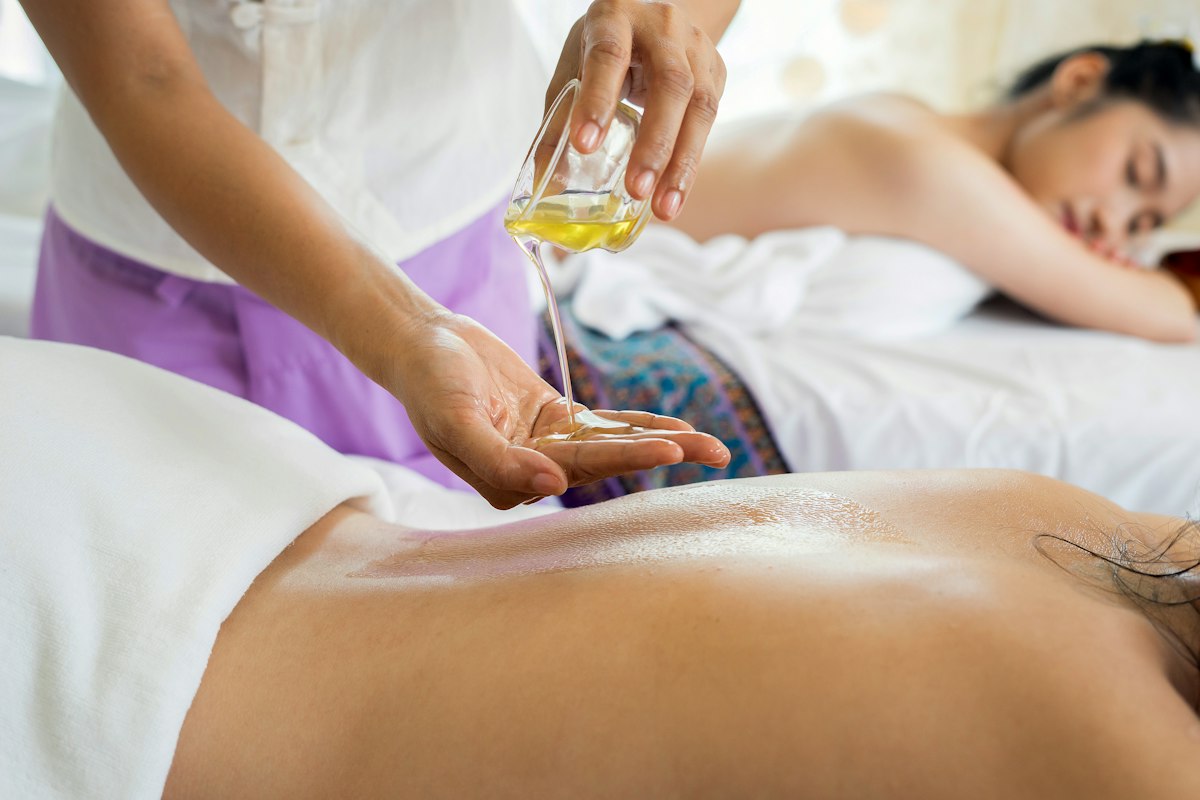
You’ll begin lying face down. The therapist starts with gentle strokes to warm up the muscles—often using long, gliding motions (effleurage) to spread oil or lotion and assess tension. Then, they may use kneading (petrissage), circular movements, or focused pressure to release knots in the upper back, neck, and shoulders—common trouble spots from stress, desk work, or poor posture.
2. Moving Down the Arms and Hands
After the back, they’ll work down one arm at a time—shoulder to fingertips—using smooth strokes to improve circulation and relieve tension in the forearms and wrists (hello, typing and phone scrolling!). Your hands may get extra attention, especially if you carry stress there.
3. The Legs and Feet
You’ll then turn over (still covered, of course), and the therapist will work on the front of your legs—thighs, calves, and finally, the feet. A good foot massage can feel almost transcendent, especially if you’re on your feet all day. Many therapists incorporate reflexology-inspired techniques here, targeting pressure points linked to relaxation and wellness.
4. The Neck, Scalp, and Face (Optional but Blissful)
Some full body massages include a gentle neck and scalp massage at the end—think of it as a mini spa treatment for your mind. This can help release tension headaches and leave you feeling mentally lighter. A facial massage (avoiding the eyes) may also be offered, using soft strokes to promote lymphatic drainage and relaxation.
5. Closing with Stillness
At the end, the therapist will gently signal that the session is over, step out, and leave you to slowly reorient. Take your time sitting up—rushing can bring on dizziness as your blood pressure readjusts. Drink water afterward to help flush out metabolic waste released from the muscles.
🧠 What’s Happening Inside Your Body?
While you’re enjoying the sensation, a lot is happening beneath the surface:
- Muscle tension melts as manual pressure helps break up adhesions and knots.
- Circulation improves, delivering oxygen and nutrients to tired tissues.
- The parasympathetic nervous system activates—your body’s “rest and digest” mode—lowering heart rate and cortisol (the stress hormone).
- Endorphins and serotonin rise, boosting mood and promoting a sense of well-being.
- Lymphatic flow increases, helping your body detoxify naturally.
It’s not just pampering—it’s physiological reset.
💬 Common Questions (Answered!)
- Do I have to talk? Nope! Silence is golden. Your therapist will check in with pressure, but otherwise, feel free to zone out or nap.
- Will it hurt? A good massage shouldn’t be painful. You might feel “good hurt” in tight areas, but you should never brace or hold your breath. Speak up if pressure is too much.
- What if I snore or pass gas? Totally normal. Your body is relaxing deeply—your therapist has heard it all and won’t blink an eye.
- How often should I get one? For maintenance and stress relief, once a month is great. If you’re dealing with chronic pain or high stress, weekly or bi-weekly can be transformative.
🌟 The Takeaway: More Than Just a Rub-Down
A full body massage isn’t just about loosening tight muscles—it’s a holistic experience that nurtures your body, calms your mind, and reconnects you with yourself. In a world that glorifies busyness, choosing to lie still and receive care is a radical act of self-love.
So the next time you book that massage, know this: you’re not just getting a rub-down. You’re hitting reset. You’re giving your nervous system a break. You’re allowing yourself to be held, literally and figuratively.
And yes—falling asleep? That’s not just allowed. It’s encouraged.
💆♀️💤 Your body will thank you.
Looking to book your first full body massage? Look for licensed massage therapists (LMTs) in your area, read reviews, and don’t hesitate to ask questions beforehand. Your comfort and safety come first.
Category: Relax
Because you deserve to feel good—inside and out.