Urban Parks vs Wild Nature: Which Is Better for Wellness?
An Escape for Every Soul
In our fast paced, screen saturated lives, the call to get outside has never been louder or more necessary. Wellness is not just about yoga mats and green smoothies. It is deeply tied to where we place our feet, what we breathe, and how our nervous systems respond to the world around us. For many, that means seeking solace in nature. But not all nature is created equal. When it comes to recharging our minds, bodies, and spirits, which offers greater wellness benefits: the curated calm of an urban park, or the untamed grandeur of wild nature?
Let us take a walk through both and see which path might lead you home to yourself.
🌳 The Case for Urban Parks: Nature, Within Reach
Urban parks, such as Central Park, Hyde Park, or the thousands of neighborhood green spaces tucked between apartment blocks, are the unsung heroes of modern wellness. They are accessible, often free, and designed with human needs in mind. These spaces provide essential walking paths, benches for contemplation, playgrounds for children, and sometimes even serene lakes or manicured botanical gardens.
Why they work:
- Low barrier to entry: There is no expensive gear, no long travel time, and no complex planning involved. You can step outside your office or apartment and be under the canopy of trees in minutes. This accessibility is vital for maintaining a consistent wellness routine, as it removes the friction that often prevents people from exercising or meditating.
- Social connection: Parks are communal hubs. You might smile at a stranger, join a local tai chi group, or walk your dog while chatting with a neighbor. These micro moments of belonging combat the epidemic of loneliness found in dense cities. The shared experience of appreciating a blooming flower or a sunny day creates a silent bond between residents.
- Sensory balance: Urban parks offer nature without the potential for overwhelm. The rustle of leaves, the sight of curated greenery, and the sound of birds provide enough stimulation to calm the amygdala. This is particularly helpful for those who may feel anxious in completely isolated environments. It provides a safe, managed transition from the concrete jungle to the natural world.
- Proven mental health benefits: Studies show that even 20 minutes in a city park can significantly lower cortisol levels, improve mood, and boost concentration. This phenomenon, often called the nature pill, does not require a backpack or a permit. By engaging the parasympathetic nervous system, these spaces help lower heart rates and reduce the physiological markers of stress.
For the overworked, the time poor, the anxious, or those new to nature immersion, urban parks are a gentle, reliable on ramp to wellness.
🌲 The Case for Wild Nature: Depth, Silence, and Awe
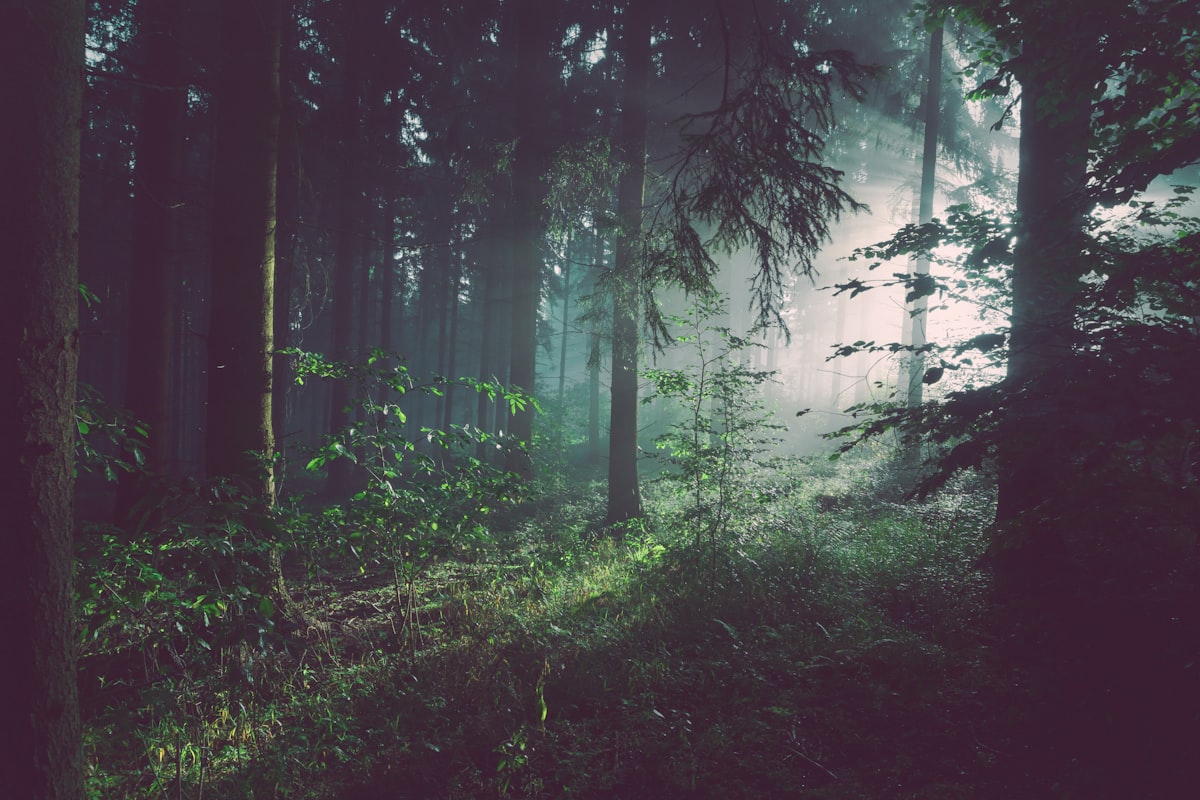
Now, trade the paved path for a forest trail. Swap the distant hum of traffic for the rhythmic wind in the pines. Welcome to wild nature, which includes national parks, backcountry trails, mountain ranges, deserts, and forests untouched by concrete.
Here, wellness takes on a different texture. It is less about a quick break and more about a profound shift in consciousness.
Why it works:
- Awe and perspective: Standing beneath a thousand year old redwood or gazing at a star filled sky in a remote valley triggers awe. This is a powerful emotion linked to reduced inflammation, increased generosity, and a diminished sense of self. When we feel small in the face of nature, our personal problems shrink and our sense of wonder expands. This cognitive shift allows us to let go of the ego and feel a connection to something timeless.
- Deep restoration: The concept of soft fascination in Attention Restoration Theory suggests that wild nature gently engages our attention without draining it. Unlike the directed focus used for work, emails, and screens, which leads to mental fatigue, the organic patterns of a forest or the flow of a river allow our brains to recover. This is why a weekend in the wilderness often feels more refreshing than a week of passive rest on a couch.
- Solitude and introspection: Away from crowds and social cues, wild spaces offer rare silence. This is not just the absence of noise, but a presence that invites reflection, creativity, and emotional processing. In the absence of urban distractions, we can finally hear our own internal monologue and address the thoughts we have been avoiding.
- Physical challenge as therapy: Hiking, climbing, or navigating uneven terrain builds resilience. This is not just physical strength, but psychological grit. Overcoming a steep incline or navigating a trail mirrors the process of overcoming inner obstacles. The act of moving through a landscape that does not cater to our comfort forces us into the present moment, providing a form of moving meditation.
For those seeking transformation, not just relief, wild nature offers a deeper well of healing.
🤔 So… Which Is Better?
Here is the truth: it depends on what you need right now. Your current emotional and physical state should dictate your destination.
- Need a quick reset after a stressful meeting? Go to an urban park. The immediate proximity allows you to break the stress cycle before it becomes chronic.
- Craving connection and community? Visit an urban park. The shared environment fosters spontaneous social interactions that enrich your day.
- Feeling numb, scattered, or stuck in a repetitive routine? An urban park can be a lifeline, offering a small but meaningful shift in scenery to wake up your senses.
- Longing for meaning, awe, or a sense of scale beyond your to do list? Seek out wild nature. The vastness of the wilderness provides the perspective necessary to reevaluate your life goals.
- Healing from burnout, grief, or trauma? Both help, but wild nature often provides the container for profound inner shifts. The isolation and raw beauty of the wild allow for a level of grieving and releasing that is difficult to achieve in a populated area.
- Rebuilding a habit of movement or mindfulness? Start with the park. Let it train you for the trail by building your confidence and your capacity for stillness.
The best wellness practice is not about choosing one over the other. It is about matching the environment to your inner state.
🌿 A Hybrid Approach: The Wisdom of Both
Perhaps the most sustainable wellness strategy is not an either or approach, but a rhythm that integrates both experiences into a lifestyle.
- Weekly: Visit your local urban park for grounding and routine. Use this as your primary tool for stress management and physical activity throughout the work week.
- Monthly or seasonally: Escape to wild nature for recalibration and wonder. Plan a longer trek or a camping trip to fully disconnect from the digital world and reconnect with your primal self.
- Daily: Bring nature indoors to bridge the gap. Incorporate indoor plants, maximize natural light, and use nature sounds to maintain a baseline of calm.
Even a single tree on a city street can be a portal to peace. Similarly, a weekend in the woods can remind you why you needed the local park all along. By utilizing both, you create a comprehensive support system for your mental health.
Final Thought: Wellness Isn’t About Escaping To Nature—It’s About Remembering You’re Already Part of It
Whether you are lying on a blanket in a city meadow or sitting silent beside a mountain lake, the wellness you seek is not out there. It is the quiet recognition that you belong to the living world, not as a visitor, but as a participant. Nature is not a destination to visit, but a home to return to.
So go where your soul whispers. Let the city park hold you when you are tender. Let the wild remind you that you are vast. In both, breathe deep, because wellness begins not with where you are, but with how you pay attention.
Escape is not about distance. It is about return.