The Mental Health Case for Treating Yourself Regularly
In a world that glorifies hustle, productivity, and self-sacrifice, treating yourself often feels like a guilty pleasure—something reserved for birthdays, holidays, or after you’ve “earned” it. But what if I told you that regularly treating yourself isn’t just indulgent—it’s essential for your mental health?
Yes, you read that right. Taking time to treat yourself—whether it’s a warm bath, a favorite dessert, a walk in nature, or simply saying “no” to something draining—isn’t selfish. It’s self-preservation. And in today’s high-pressure culture, it’s one of the most radical acts of mental healthcare we can practice.
Why “Treating Yourself” Isn’t Just Fluff
We’ve been conditioned to believe that rest is lazy, pleasure is frivolous, and self-care is a luxury for those with extra time or money. But neuroscience and psychology tell a different story.
When we consistently deny ourselves small joys, our nervous systems stay stuck in survival mode. Chronic stress elevates cortisol, disrupts sleep, weakens immunity, and increases the risk of anxiety and depression. On the flip side, engaging in pleasurable, meaningful activities—even tiny ones—activates the brain’s reward system, releases dopamine and serotonin, and helps regulate emotional balance.
Treating yourself regularly isn’t about escapism. It’s about replenishment. Think of it like charging your phone: you wouldn’t wait until it’s at 1% to plug it in. So why do we wait until we’re burnt out, irritable, or emotionally depleted before we allow ourselves a break?
What Does “Treating Yourself” Really Mean?
It doesn’t have to mean spa days or shopping sprees (though those are lovely too). Treating yourself can be as simple as:
- Sitting quietly with your morning coffee instead of scrolling through emails
- Saying “I need a break” and actually taking it
- Letting yourself cry without judgment
- Playing your favorite song loud and dancing like nobody’s watching
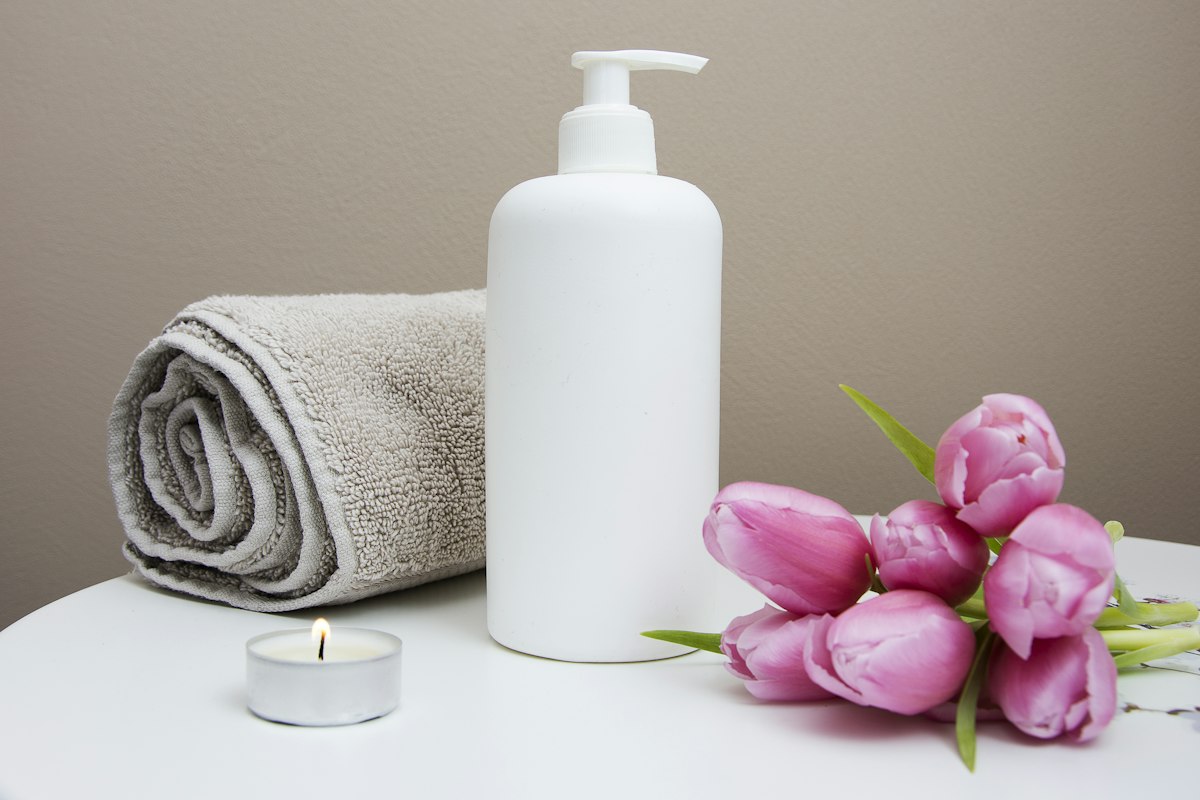
- Buying yourself flowers “just because”
- Saying no to an obligation that drains you
- Letting yourself nap without guilt
These aren’t indulgences—they’re acts of self-respect. They signal to your brain and body: You matter. Your well-being is non-negotiable.
The Ripple Effect of Self-Treatment
When you treat yourself regularly, something beautiful happens: you show up better for others. You’re more patient, more present, more resilient. You’re less likely to snap at loved ones or resent your responsibilities. You become a steadier, calmer version of yourself—not because you’re perfect, but because you’re nourished.
And here’s the quiet revolution: by treating yourself well, you give others permission to do the same. You model that self-care isn’t weakness—it’s wisdom.
Make It a Practice, Not a Reward
The key is to shift from treating yourself as a reward for productivity to treating yourself as a foundation of well-being. You don’t have to earn rest. You don’t have to justify joy. You are worthy of care simply because you exist.
Start small. Pick one tiny treat each day—something that brings you a flicker of joy or peace. Notice how it feels. Let it be enough.
Because mental health isn’t just about managing illness. It’s about cultivating a life that feels good to live. And sometimes, the most healing thing we can do is pause, breathe, and say:
Today, I treat myself—because I’m worth it.
Indulge. Not as an escape. But as an act of self-love.
Your mind will thank you.