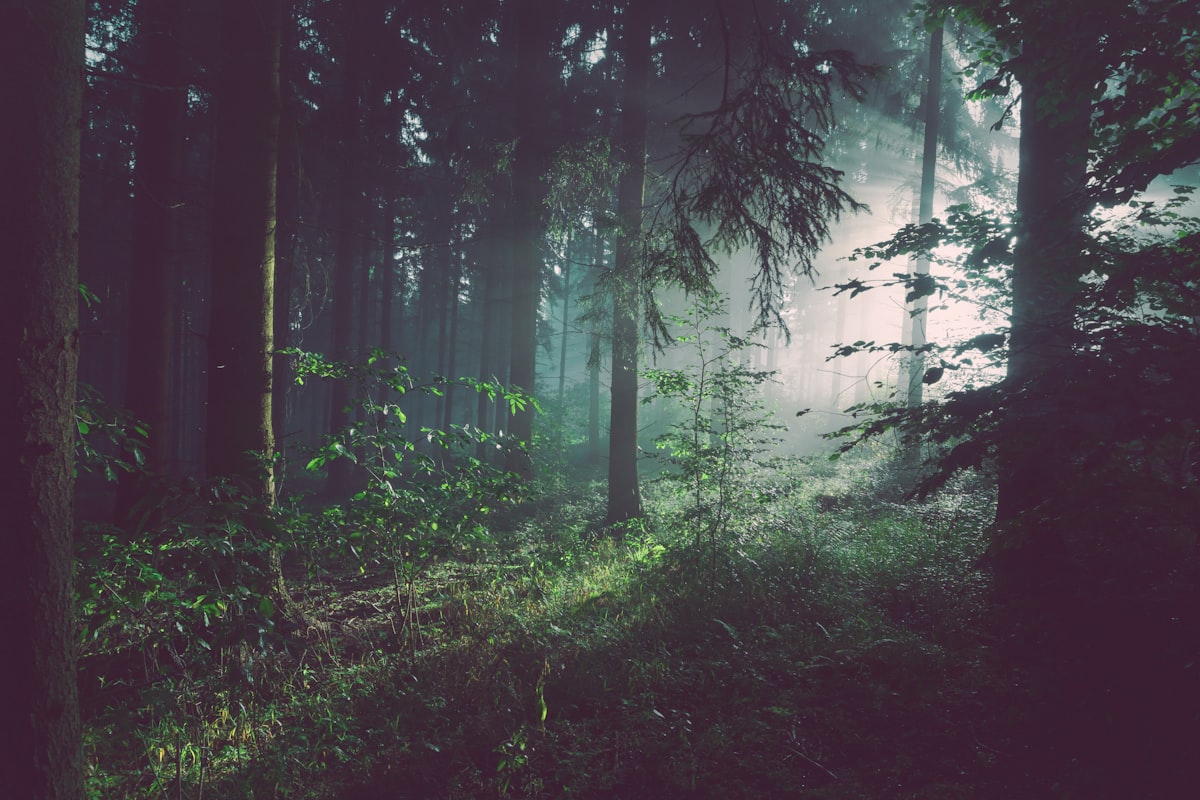
The Mental Health Benefits of Spending Time in Nature
In our fast-paced, screen-saturated world, it’s easy to feel mentally drained, anxious, or disconnected. We scroll through endless feeds, juggle demanding schedules, and often forget to pause—and breathe. But what if one of the most powerful remedies for our mental well-being isn’t found in a pill, an app, or a therapy session—but just outside our door?
Spending time in nature isn’t just a pleasant pastime; it’s a scientifically backed form of self-care with profound benefits for mental health. Whether it’s a walk in the park, a hike through the woods, or simply sitting by a lake, immersing ourselves in the natural world can reset our minds, soothe our spirits, and restore our sense of balance.
Here’s how nature nurtures our mental well-being:
1. Reduces Stress and Anxiety
Numerous studies show that time spent in green spaces lowers cortisol levels—the body’s primary stress hormone. The sights, sounds, and smells of nature activate the parasympathetic nervous system, which helps calm the body’s “fight or flight” response. Even just 20 minutes in a natural setting can significantly reduce feelings of anxiety and tension.
2. Improves Mood and Fights Depression
Exposure to sunlight boosts serotonin production, a neurotransmitter linked to happiness and well-being. Combined with the sensory richness of nature—birdsong, rustling leaves, fresh air—this creates a natural antidepressant effect. Research from institutions like Stanford University has found that people who walk in nature show decreased activity in brain regions associated with rumination—a key factor in depression.
3. Enhances Focus and Mental Clarity
Ever notice how your mind feels clearer after a walk outdoors? That’s not coincidence. Nature provides a restorative environment that allows our overworked prefrontal cortex—the part of the brain responsible for focus and decision-making—to recover. This concept, known as Attention Restoration Theory, suggests that natural settings gently engage our attention without draining it, helping us return to tasks with renewed concentration.
4. Fosters Mindfulness and Presence
Nature invites us to slow down and engage our senses. The crunch of gravel underfoot, the dappled light through trees, the scent of pine after rain—these subtle experiences anchor us in the present moment. This mindful awareness is a cornerstone of mental health, helping to break cycles of worry about the past or future.
5. Strengthens Connection and Reduces Loneliness
Whether you’re sharing a trail with a friend or simply feeling part of something larger than yourself, nature fosters a sense of belonging. Feeling connected—to the earth, to other living things, or to a quiet moment of solitude—can alleviate feelings of isolation and improve overall emotional resilience.
How to Bring More Nature Into Your Life
You don’t need to live near a national park to reap the benefits. Try these simple practices:
- Take your morning coffee outside.
- Walk or bike instead of drive for short trips.
- Practice “forest bathing” (shinrin-yoku)—a mindful walk in the woods focused on sensory awareness.
- Bring nature indoors with plants, natural light, or nature sounds.
- Schedule regular “nature breaks” just like you would a meeting.
Final Thoughts
Nature doesn’t ask for anything in return—it simply offers its quiet wisdom, healing presence, and timeless rhythm. In a world that often feels overwhelming, stepping outside can be an act of radical self-care. It reminds us that we are not separate from nature—we are part of it. And when we reconnect with that truth, our minds heal, our hearts open, and our spirits rise.
So the next time you feel overwhelmed, anxious, or stuck—step outside. Breathe deep. Listen. Let the earth hold you, even if just for a moment.
Your mind will thank you.
Category: Escape
Because sometimes, the best way to find yourself is to lose yourself in the woods.