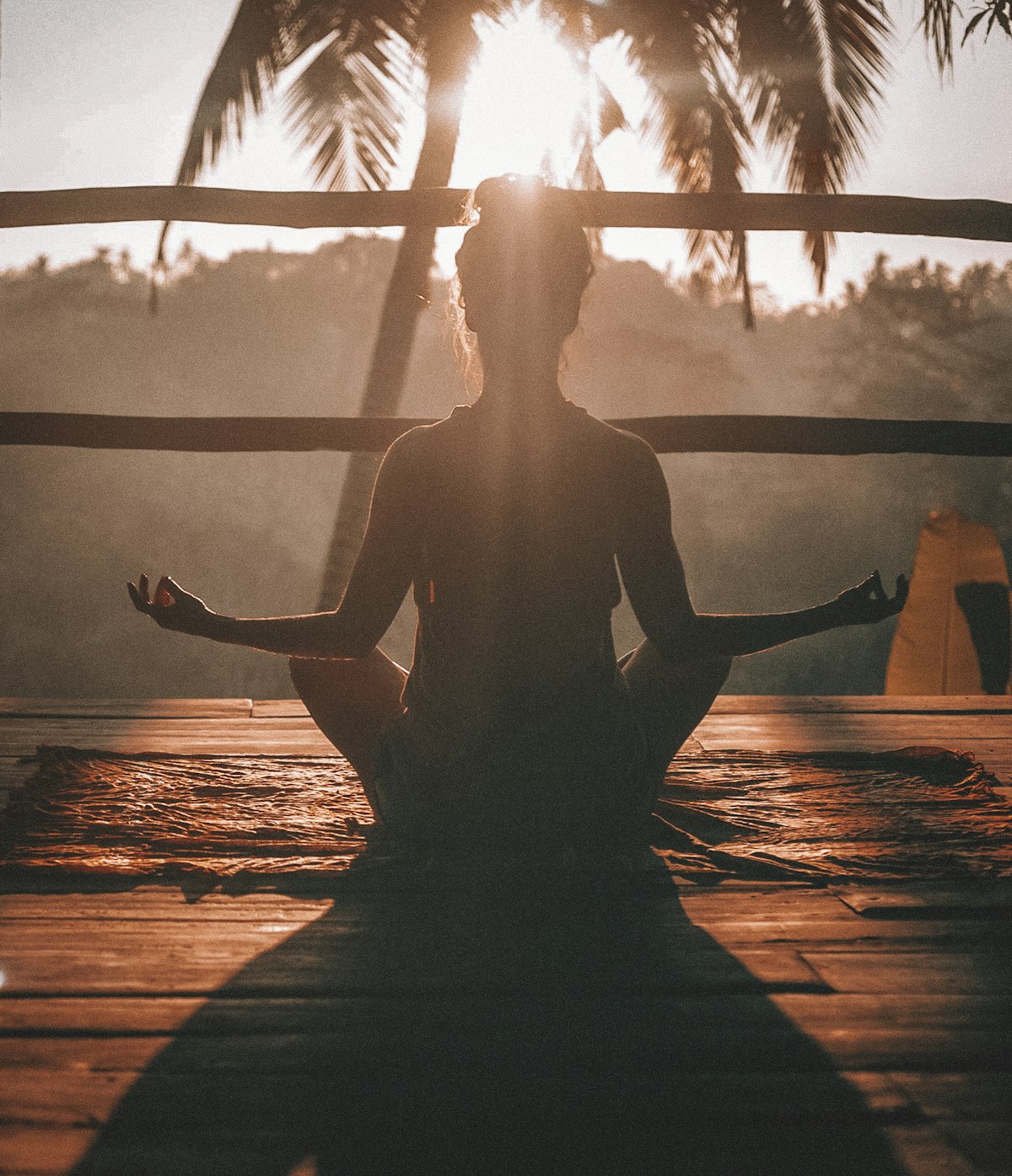
The Mental Health Benefits of a Regular Yoga Practice
Category: Recharge
In a world that never seems to slow down, where notifications ping, deadlines loom, and the weight of daily stress accumulates like static in our nervous systems, finding a true sense of recharge can feel elusive. We scroll through endless feeds, we binge watch series to escape, and we caffeinate to push through the exhaustion. However, too often, we miss the quiet, powerful tool that has been right under our noses and on our mats for thousands of years: yoga.
Yoga is often marketed as a physical workout characterized by flexible bodies, impressive poses, and sweat drenched studios. But its deepest gift is not found in the depth of a hamstring stretch or the balance of a handstand. It is found in the quiet revolution it sparks inside the mind. While the physical benefits are undeniable, the mental shifts are where the true transformation occurs.
A regular yoga practice, even just 10 to 20 minutes a day, is one of the most accessible, science backed ways to recharge your mental health. By integrating the body, breath, and mind, you create a holistic system of support that helps you navigate the complexities of modern life with more grace and stability. Here is how this practice transforms your mental landscape.
🌿 1. It Activates the Parasympathetic Nervous System (Your “Rest and Digest” Mode)
Chronic stress keeps us stuck in a state of fight or flight, where the body is flooded with adrenaline and the mind is constantly scanning for threats. This state is sustainable for short bursts, but when it becomes our default setting, it leads to burnout, irritability, and exhaustion. Yoga, particularly slow, breath centered styles like Hatha, Yin, or Restorative, uses deliberate breathing known as pranayama and mindful movement to signal to your brain that you are safe.
When you consciously slow your breath and lengthen your exhales, you stimulate the vagus nerve. This nerve is the primary component of the parasympathetic nervous system, which acts as a natural brake to the stress response. This physiological shift lowers cortisol, the primary stress hormone, reduces your heart rate, and quiets the mental chatter that keeps us anxious or overwhelmed.
Over time, this practice changes your baseline. Your nervous system learns to return to a state of calm more quickly, even when you are off the mat. Whether you are stuck in traffic or facing a difficult conversation at work, your body remembers the feeling of the breath, allowing you to regulate your emotions in real time.
🧠 2. It Builds Emotional Resilience Through Mindfulness
Yoga is not about clearing your mind or achieving a state of total emptiness. Instead, it is about noticing what is there without judgment. When you hold a challenging pose, such as a long hold in Pigeon Pose, and feel the urgent impulse to quit or fidget, you are practicing the art of staying with discomfort. This is where the mental training happens. You learn to observe the sensation of frustration or tension without letting it hijack your emotional state.
When your mind wanders during savasana, the final resting pose, you gently return your focus to the breath. This repeated act of returning, to breath, to sensation, and to the present moment, strengthens the prefrontal cortex. This is the region of the brain responsible for executive function and emotional regulation.
By practicing this mindful return on the mat, you develop a mental muscle that carries over into your personal life. Studies show that regular yoga practitioners report lower rates of anxiety, depression, and rumination. Instead of spiraling into negative thought patterns, you gain the ability to step back, observe the thought, and choose how to respond rather than reacting impulsively.
💬 3. It Creates Space for Self Compassion
How often do we criticize ourselves for not being enough, whether that means not being productive enough, calm enough, or focused enough? We live in a culture of constant comparison, where we measure our internal struggles against someone else's highlight reel. Yoga meets you exactly where you are in this moment.
If you are wobbly in Tree Pose, that is perfectly fine. In fact, that is where the growth happens. If you forget to breathe during a difficult stretch, there is no failure, only the opportunity to begin again. The practice encourages a shift from a performance mindset to a presence mindset.
This non judgmental awareness eventually spills over into your daily life. You start treating yourself with the same kindness and patience you would offer a friend who is struggling. You begin to realize that your value is not tied to your productivity or your perfection. This deep sense of self compassion is one of the strongest predictors of lasting mental well being, as it reduces the inner critic and fosters a sense of internal security.
🌱 4. It Improves Sleep — The Ultimate Recharge
Poor sleep and poor mental health feed each other in a vicious cycle. When we are stressed, we cannot sleep, and when we are sleep deprived, we have less emotional bandwidth to handle stress. Yoga breaks this cycle by prepping the body for deep restoration.
Research shows that even a short evening yoga routine, focusing on gentle twists and forward folds, can increase the production of melatonin, the hormone that regulates sleep. By releasing physical tension in the hips, shoulders, and jaw, you signal to the brain that the day is over and it is time to wind down.
This reduction in physical tension leads to a decrease in insomnia and a significant improvement in overall sleep quality. Better sleep means better mood regulation, sharper cognitive focus, and greater emotional resilience the next day. When you prioritize your sleep through a gentle practice, you are giving your brain the necessary time to process emotions and clear out metabolic waste.
🤝 5. It Fosters Connection — To Yourself and Others
Whether you practice alone in the privacy of your living room or join a community class at a local studio, yoga creates a sacred pause. In a culture that glorifies burnout and constant output, choosing to show up for yourself on the mat is an act of rebellion and an act of self love. It is a dedicated time where the only requirement is your presence.
When you practice with others, there is a quiet, unspoken solidarity in breathing together, moving together, and resting together. This shared experience creates a sense of collective energy and support. You realize that everyone in the room is battling their own internal noise, yet you are all seeking the same peace.
That sense of belonging is a potent antidote to loneliness, which is a silent epidemic undermining mental health today. By connecting with your own breath, you cultivate a healthier relationship with yourself, and by sharing that space with others, you rediscover your connection to the human community.
💡 How to Start (Without Overwhelm)
You do not need a fancy studio, expensive designer gear, or hours of free time to reap these benefits. The key is to lower the barrier to entry so that the practice feels like a gift rather than another chore on your to do list.
- Begin with 5 minutes of seated breathing or gentle neck rolls while your coffee brews.
- Try a 10 minute YouTube yoga nidra session, which is a guided meditation for deep relaxation, before you go to bed.
- Follow a free 20 minute morning flow on apps like Yoga with Adriene or Insight Timer to set a calm tone for your day.
- Focus on consistency over intensity. Showing up daily, even if it is just for a few stretches, builds the neurological habit that rewires your brain for calm.
🌟 Final Thought: Yoga Isn’t Just Exercise — It’s a Return
We do not practice yoga to become someone else or to achieve a perfect physical form. We practice to remember who we already are. We are inherently calm, capable, and whole, even when that truth is buried beneath the noise of the world, the pressure of stress, and the stories we tell ourselves about our limitations.
In a world that demands constant output, yoga invites you to simply be. It asks you to stop striving and start arriving. In that being, in the quiet inhale, the steady exhale, and the soft surrender into stillness, you do not just recharge.
You come home.
Your mat is waiting. Breathe. Begin.
🧘♀️💛
Category: Recharge — because true renewal is not found in doing more. It is found in returning to yourself.