The Benefits of Regular Massage Therapy for Anxiety
In today’s fast-paced world, anxiety has become a silent epidemic. From racing thoughts and muscle tension to sleepless nights and emotional overwhelm, the toll of chronic anxiety affects millions, often without a clear solution in sight. We live in an era of constant connectivity where the brain is bombarded by notifications, deadlines, and global stressors. While therapy, medication, and mindfulness practices are vital tools, one often overlooked ally in the fight against anxiety is regular massage therapy.
Far from being just a luxury spa indulgence or a treat for a special occasion, massage therapy is a scientifically supported, holistic practice that can significantly reduce anxiety symptoms. When done consistently, it becomes a powerful form of self care that rewires both body and mind. By addressing the physical manifestations of stress, massage helps break the cycle of panic and tension, offering a sanctuary where the mind can finally quiet down and the body can recover from the invisible weight of chronic worry.
How Massage Therapy Calms the Anxious Mind
Anxiety isn’t just in your head. It manifests physically as a somatic experience, often appearing as tight shoulders, clenched jaws, shallow breathing, and a perpetually activated nervous system. When you are anxious, your body prepares for a threat that may not actually exist, keeping your muscles in a state of high alert. Massage therapy directly addresses these somatic symptoms, triggering a cascade of physiological changes that promote a deep sense of calm.
Activates the Parasympathetic Nervous System
Massage stimulates the vagus nerve, which is the longest nerve of the autonomic nervous system. This stimulation signals your body to shift from the sympathetic nervous system, known as the fight or flight mode, to the parasympathetic nervous system, known as the rest and digest mode. This transition lowers your heart rate and reduces the production of cortisol, the primary stress hormone. Simultaneously, massage increases the release of serotonin and dopamine, which are neurotransmitters linked to mood regulation, emotional stability, and feelings of overall well-being.Reduces Muscle Tension, A Physical Manifestation of Anxiety
Chronic anxiety often leads to habitual muscle bracing, where the body unconsciously tightens to protect itself. Over time, this creates painful knots, chronic fatigue, and a feedback loop where physical discomfort fuels further mental unease. For example, a clenched jaw can lead to tension headaches, which then increase irritability and stress. Regular massage releases these knots, improves blood circulation, and restores ease to the body. This physical release sends a powerful signal to the brain that the environment is safe, allowing the mind to let go of its defensive posture.Improves Sleep Quality
Anxiety and insomnia are deeply intertwined, often creating a vicious cycle where lack of sleep increases anxiety, and anxiety prevents sleep. Massage therapy has been shown to increase delta brain waves, which are the slowest and most restorative waves associated with deep, stage four sleep. By lowering the heart rate and clearing metabolic waste from the muscles, massage prepares the body for a more profound state of rest. Clients often report falling asleep faster and experiencing fewer nighttime awakenings after consistent sessions, which allows the brain to better process emotional stress during the night.Encourages Mindfulness and Body Awareness
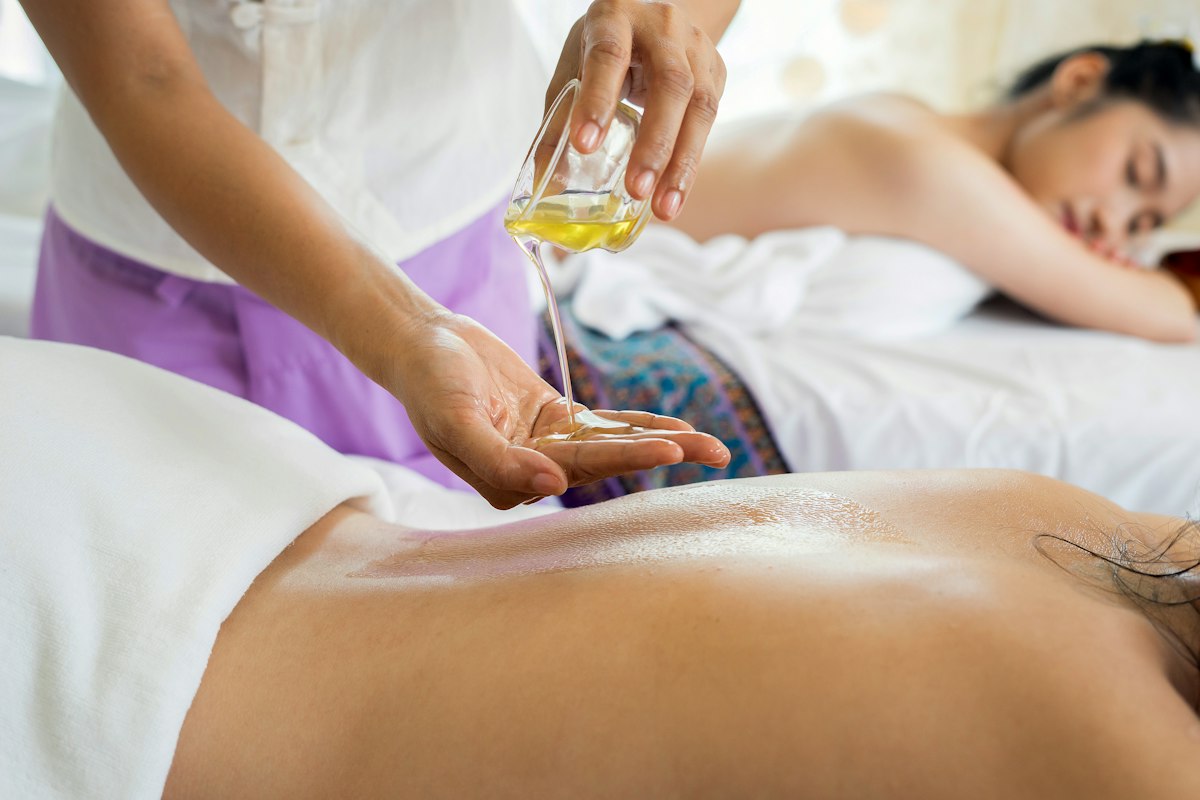
During a massage, you are invited to move out of your head and back into your body. By focusing on the immediate sensory experience, such as the pressure of the therapist’s hands, the warmth of the oil, or the rhythm of your own breath, you practice a form of grounding. This gentle redirection of attention away from anxious thoughts and future worries cultivates mindfulness. This practice is a proven antidote to rumination, as it anchors you in the present moment and reminds you that you are safe in the here and now.Builds a Ritual of Self Compassion
Scheduling regular massage is not just about physical relief, it is an intentional act of self worth. In a culture that often glorifies burnout and constant productivity, choosing to pause and receive professional care sends a powerful psychological message: I am worthy of peace. This shift from a state of doing to a state of receiving can be as healing as the physical touch itself. Over time, this ritual transforms the relationship you have with yourself, replacing self criticism with self compassion.
What the Research Says
Studies back up what many have felt intuitively about the power of touch. Clinical data suggests that the impact of massage is both immediate and cumulative.
A 2010 meta analysis published in The Journal of Clinical Psychiatry found that massage therapy significantly reduced anxiety symptoms across diverse populations. This included individuals dealing with generalized anxiety disorder, patients undergoing cancer treatment, and those suffering from chronic pain. The research indicated that the calming effect of massage helps mitigate the psychological distress associated with long term illness and chronic stress.
Further research from the Touch Research Institute at the University of Miami showed that even a single 45 minute massage could reduce cortisol levels by up to 30 percent. This was accompanied by a measurable increase in serotonin and dopamine, proving that the biochemical shift happens quickly.
Long term studies suggest that the most profound benefits occur with regularity. Individuals who receive massage weekly or biweekly over a period of 8 to 12 weeks experience sustained reductions in anxiety scores. In some cases, these results were comparable to some pharmacological interventions, but without the accompanying side effects, making it an ideal complementary therapy for those seeking a more natural approach to mental wellness.
Making Massage Therapy Part of Your Anxiety Toolkit
You do not need to wait for a crisis or a total burnout to begin your journey. Here is how to integrate massage into your long term anxiety management routine for the best results.
Start small. While a one time session is beneficial, consistency is the key to rewiring the nervous system. Aim for one 60 minute session every 2 to 4 weeks. This creates a predictable rhythm of relaxation that your body can rely on, preventing stress from building up to an unmanageable level.
Communicate your needs clearly. Your therapist is your partner in wellness. Let them know you are seeking relief from anxiety, as this allows them to tailor the experience. They can adjust the pressure, focus on high tension areas like the neck, shoulders, and scalp, or incorporate breathing cues to help you stay present. You might also request aromatherapy, using essential oils like lavender or bergamot, which have their own calming effects on the limbic system.
Pair it with other practices. To deepen the calming effect, treat the hour after your massage as a sacred window of peace. Combine your session with journaling to capture any emotional releases, meditation to extend the stillness, or gentle yoga to keep the muscles limber.
Consider self massage for the gaps between professional visits. You can use a foam roller for your back, a tennis ball for the soles of your feet, or your own hands to gently massage your temples and jaw. These small acts of self care keep the body mindful and the tension at bay until your next appointment.
A Gentle Invitation
Anxiety does not disappear overnight, but healing does not always require grand gestures or overnight transformations. Sometimes, the path to peace begins with the simple, profound act of lying still, being touched with care, and remembering that your body is not your enemy, it is your ally.
Regular massage therapy is not a cure all, but it is a quiet, powerful revolution. It is a reminder that peace is not something you have to earn through hard work or perfection, it is something you can receive, one breath, one stroke, and one session at a time.
If you have been carrying anxiety in your shoulders, your jaw, or your chest, consider giving your body the gift of regular touch. Your nervous system will thank you for the reprieve.
Let this be your permission to pause. You deserve to feel calm, and massage can help you get there.