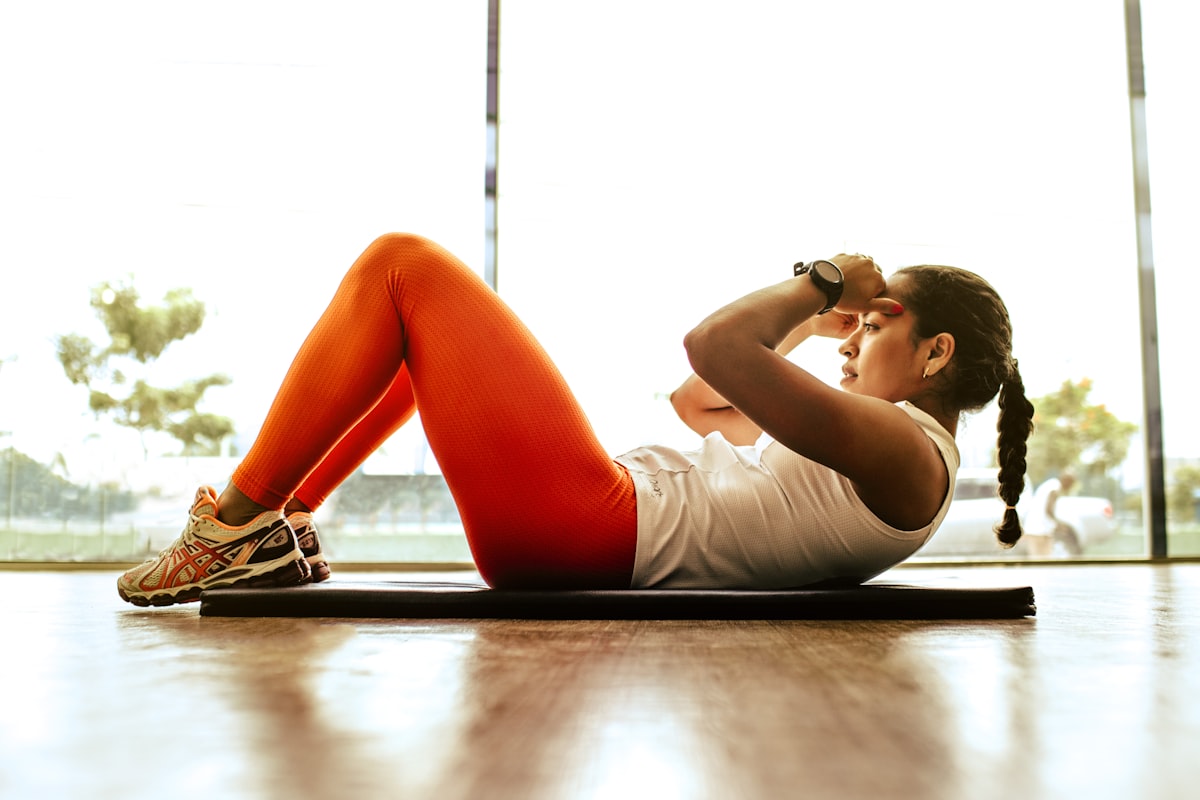
The Benefits of Compression Therapy for Circulation: A Simple, Science-Backed Way to Feel Better Every Day
If you’ve ever felt heavy legs after a long day on your feet, noticed swelling in your ankles by evening, or struggled with fatigue that won’t quit despite rest — you’re not alone. Poor circulation is a silent but widespread issue affecting millions, from office workers and athletes to pregnant individuals and seniors. The good news? There’s a simple, non-invasive, and highly effective solution gaining traction in both clinical and wellness circles: compression therapy.
In this post, we’ll explore how compression therapy works, why it’s so powerful for circulation, and who can benefit most — plus practical tips to get started safely.
What Is Compression Therapy?
Compression therapy involves wearing specially designed garments — such as socks, sleeves, stockings, or wraps — that apply graduated pressure to the limbs. “Graduated” means the pressure is strongest at the ankle (or wrist) and gradually decreases as it moves up the limb. This design mimics the natural pumping action of your muscles and veins, helping blood flow back toward the heart more efficiently.
Unlike tight, restrictive clothing, medical-grade compression is precisely engineered to support — not hinder — circulation.
How Compression Therapy Improves Circulation
Your circulatory system relies on two key mechanisms to return blood from your extremities to your heart:
- The heart’s pumping action (arterial flow)
- The muscle-venous pump (venous return) — where calf and foot muscles squeeze veins to push blood upward
When you sit or stand for long periods, gravity pools blood in your lower limbs. Venous valves can weaken over time, leading to venous insufficiency, swelling (edema), varicose veins, and that heavy, achy feeling.
Compression therapy steps in to:
✅ Boost venous return by externally supporting vein walls and valves
✅ Reduce fluid buildup (edema) by preventing plasma from leaking into tissues
✅ Enhance lymphatic drainage, helping clear metabolic waste and reduce inflammation
✅ Improve oxygen delivery to tissues by stabilizing blood flow
✅ Decrease the risk of blood clots (especially important during travel, surgery recovery, or immobilization)
Studies consistently show that graduated compression significantly reduces leg swelling, improves microcirculation, and lowers symptoms of chronic venous insufficiency — often as effectively as medication, without side effects.
Who Benefits Most? (Spoiler: Probably You)
While compression therapy is often associated with medical conditions, its benefits extend far beyond the clinic:
- Office Workers & Remote Employees: Sitting all day? Compression socks can prevent end-of-day swelling and fatigue.
- Athletes & Fitness Enthusiasts: Used post-workout to speed recovery by reducing muscle soreness and clearing lactate. Many wear them during long runs or flights too.
- Pregnant Individuals: Hormonal changes and increased blood volume raise the risk of swelling and varicose veins — compression is a safe, doctor-recommended aid.
- Frequent Travelers: Long flights or car rides increase DVT (deep vein thrombosis) risk. Compression garments are a proven preventive measure.
- Seniors: Age-related valve weakening makes circulation support essential for maintaining mobility and comfort.
- People with Diabetes, Lymphedema, or Post-Surgical Recovery: Compression is often a cornerstone of management plans — always under medical guidance.
Choosing the Right Compression: A Quick Guide
Not all compression is created equal. Look for:
Graduated pressure (measured in mmHg):
- 8–15 mmHg: Light support (everyday wear, travel, mild swelling)
- 15–20 mmHg: Moderate (ideal for most users — athletes, office workers, pregnancy)
- 20–30 mmHg: Firm (medical grade — for varicose veins, edema, post-surgery; consult a doctor)
- 30+ mmHg: Extra firm (only under medical supervision)
Fit matters: Measure your ankle, calf, and sometimes thigh length — sizing charts vary by brand. Ill-fitting compression can cause discomfort or even harm.
Material: Look for breathable, moisture-wicking fabrics (nylon/spandex blends) for all-day comfort.
Style: From sheer dress socks to athletic sleeves and open-toe options — there’s a version for every lifestyle.
💡 Pro tip: Put on compression garments first thing in the morning, before swelling builds up. They’re hardest to put on when limbs are already swollen.
Safety First: When to Consult a Professional
Compression therapy is safe for most people — but not everyone. Avoid or consult your doctor if you have:
- Severe arterial disease (e.g., peripheral artery disease)
- Congestive heart failure (unless advised otherwise)
- Skin infections, open wounds, or dermatitis on the limb
- Sensory neuropathy (e.g., advanced diabetes) — you may not feel if it’s too tight
Always start with lower compression (15–20 mmHg) and monitor how your legs feel. If you experience numbness, tingling, increased pain, or discoloration — remove it and seek advice.
The Bottom Line: Small Pressure, Big Impact
Compression therapy isn’t just for athletes or patients in hospital gowns — it’s a practical, accessible tool for anyone who wants to feel lighter, more energized, and in control of their circulation. Whether you’re chasing a personal best, surviving a 9-to-5 desk job, or simply wanting to enjoy your evenings without swollen feet — a pair of quality compression socks might be the simplest upgrade you make this year.
Your veins work hard every day. Give them a little help — and feel the difference.
Ready to try it?
Start with a pair of 15–20 mmHg graduated compression socks worn for a few hours each day. Notice how your legs feel at the end of the day — lighter? Less tired? That’s your circulation thanking you.
Have you tried compression therapy? Share your experience in the comments below — we’d love to hear what worked for you! — Category: Recover
Tags: Circulation, Compression Therapy, Recovery, Wellness, Leg Health, Swelling Relief, Travel Wellness, Athletic Recovery
Let me know if you’d like a printable checklist, infographic version, or social media snippets to accompany this post!