Stretch Therapy vs Massage: What's the Difference?
When you're sore, tight, or recovering from an injury, you might feel torn between booking a massage or trying stretch therapy. Both offer real benefits for your body, but they work in different ways. Understanding the distinction can help you choose exactly what your body needs right now. Whether you're a fitness enthusiast, desk worker, or someone managing chronic tension, knowing when to stretch and when to massage is the key to smarter recovery. While both modalities aim to reduce pain and improve movement, one focuses on the length and elasticity of the muscle, while the other focuses on the quality and state of the muscle tissue itself.
How Stretch Therapy Works
Stretch therapy, also called assisted stretching or stretch sessions, involves a trained therapist gently moving your limbs through extended ranges of motion. Unlike static stretching you might do at home, this is a guided process. You remain relaxed while the professional applies slow, sustained pressure to lengthen your muscles and connective tissues. The therapist uses techniques like PNF (proprioceptive neuromuscular facilitation) stretching, where you contract a muscle briefly before relaxing into a deeper stretch. This process tricks the nervous system into allowing a greater range of motion than you could achieve on your own.
For those who spend eight hours a day at a desk, this therapy targets the hips, shoulders, and neck. It addresses the shortening of muscles that occurs when we stay in one position for too long. By systematically lengthening the fascia and muscle fibers, the therapist helps reset your posture and reduces the feeling of being trapped in a tight body.
What you'll experience:
- Sessions typically last 30-60 minutes, often focusing on full body mobility or specific problem areas like the lower back.
- You stay clothed throughout the session in athletic wear, which allows for a wider range of movement.
- The therapist uses their hands, straps, or specialized equipment to create leverage and stability.
- Gentle, rhythmic movements that gradually increase flexibility without forcing the joint.
- A sense of lengthening rather than deep pressure, which often leaves you feeling lighter and more agile.
Stretch therapy is ideal if you're looking to improve mobility, reduce stiffness, or prepare your body for more intense exercise. Many athletes use it as preventative care to avoid strains and tears. By increasing the elasticity of the muscles, you create a buffer that protects your joints from injury during high impact activities.
How Massage Therapy Works
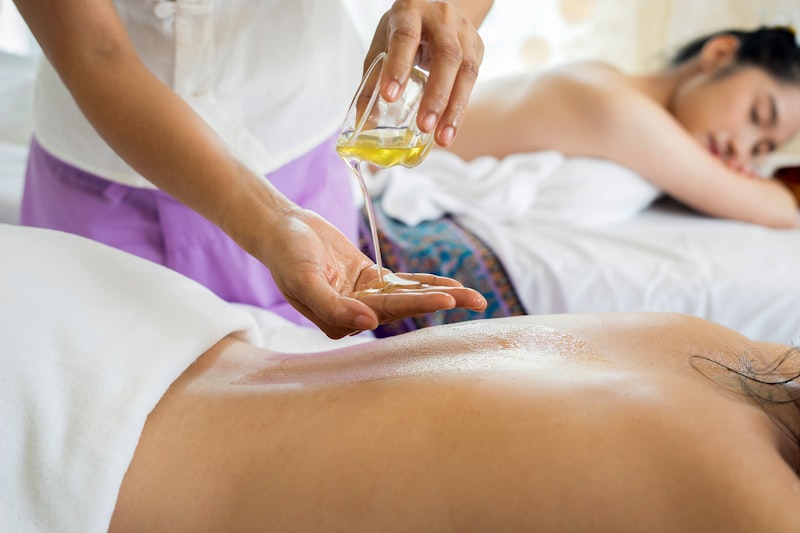
Massage uses direct pressure, kneading, and manipulation of soft tissue to address muscle tension, knots, and trigger points. A massage therapist works into the muscle tissue itself, breaking up adhesions and releasing built-up tension. Adhesions, often called knots, are areas where muscle fibers have become stuck together, restricting blood flow and causing localized pain. There are many styles, such as Swedish, deep tissue, sports massage, and myofascial release, each with different pressure levels and techniques.
A Swedish massage focuses on relaxation and circulation, while a deep tissue massage targets the deeper layers of muscle and connective tissue. Sports massage often incorporates targeted work to flush out lactic acid and prepare the body for competition. Myofascial release focuses on the fascia, the thin casing of connective tissue that surrounds every organ and muscle in the body.
What you'll experience:
- Sessions range from 30-90 minutes, depending on whether you are treating a small area or the entire body.
- You'll typically undress and lie on a padded table under sheets for privacy and comfort.
- Direct pressure applied to tight, sore areas, which can sometimes feel like a good pain that releases a heavy sensation.
- Focused work on specific problem spots, such as the upper trapezius or the soles of the feet.
- Often feels more intense, especially with deep tissue work, as the therapist applies force to break down physical tension.
Massage excels at addressing acute soreness, muscle knots, and pain relief. If you're recovering from a workout or injury, or you have a specific tight spot that's bothering you, massage targets those issues directly. It is particularly effective for reducing inflammation and promoting lymphatic drainage, which helps the body heal faster after a strenuous period of activity.
Key Differences at a Glance
Stretch therapy focuses on: flexibility gains, mobility improvements, and preventative lengthening. It is gentler and more about opening up your range of motion. It treats the muscle as a rubber band that needs to be elongated to function properly.
Massage focuses on: releasing tension, breaking up adhesions, and reducing muscle soreness. It is more about healing existing tightness through direct tissue work. It treats the muscle as a piece of clay that needs to be kneaded and smoothed out to remove lumps.
Price comparison:
- Stretch therapy sessions: $60-$150 for 30-60 minutes, often priced as a fitness service.
- Massage therapy sessions: $60-$200 depending on type, location, and the duration of the appointment.
While both are investments in your health, stretch therapy is often viewed as a maintenance tool for performance, whereas massage is seen as a therapeutic tool for recovery and relief.
How to Choose What You Need
Ask yourself these questions to determine which path to take:
- Are you sore right now? Massage is your friend. It addresses active pain, muscle tension, and the general feeling of soreness after a heavy lifting session.
- Do you feel stiff and limited in movement? Stretch therapy will help restore your range of motion. If you cannot touch your toes or rotate your neck fully, stretching is the priority.
- Are you training for something? Stretch therapy as maintenance and massage for recovery work beautifully together. Use stretching to stay agile and massage to treat the wear and tear of training.
- Is it an old injury? Many people find that combining both therapies offers the best results. Massage can break up old scar tissue, and stretch therapy can then restore the flexibility that was lost during the healing process.
Here's a practical tip: if you're new to recovery work, many people benefit from starting with massage to address existing tightness, then adding regular stretch therapy to maintain improvements. This sequence ensures that the muscle is relaxed and free of knots before you attempt to lengthen it. Some wellness venues offer both services, making it easy to build a routine that works for you.
Getting Started
Your first appointment is simpler than you might think. Come hydrated, as both therapies release metabolic waste from the muscles that needs to be flushed out of your system. Wear comfortable clothes, as you will keep them on for stretching, though you will remove them for massage. Communicate openly about any injuries, recent surgeries, or specific problem areas that need extra attention. A good therapist will ask about your goals and adjust their approach accordingly.
Whether you choose stretch therapy, massage, or both, consistency matters more than frequency. One session provides immediate relief, but a habit creates permanent change. Even monthly sessions can create noticeable changes in how your body feels and moves.
Ready to find the right recovery experience for you? Explore licensed massage therapists and stretch specialists near you at SelfCareMap.com/category/recover. Your body will thank you.