Shiatsu Massage: Japanese Pressure Point Therapy Explained
Category: Relax
In a world that moves at lightning speed, finding moments of true relaxation isn’t just a luxury—it’s essential. Among the many holistic therapies gaining global recognition, Shiatsu massage stands out as a deeply restorative practice rooted in ancient Japanese healing traditions. Blending acupressure, gentle stretching, and mindful touch, Shiatsu offers more than just muscle relief—it aims to harmonize the body, mind, and spirit.
Let’s explore what Shiatsu is, how it works, and why it might be the perfect addition to your self-care routine.
What Is Shiatsu?
The word Shiatsu (指圧) translates literally to “finger pressure” in Japanese. Developed in the early 20th century by Tokujiro Namikoshi, Shiatsu draws from traditional Chinese medicine (TCM), particularly the concept of qi (pronounced “chee”)—the vital life force that flows through pathways in the body known as meridians.
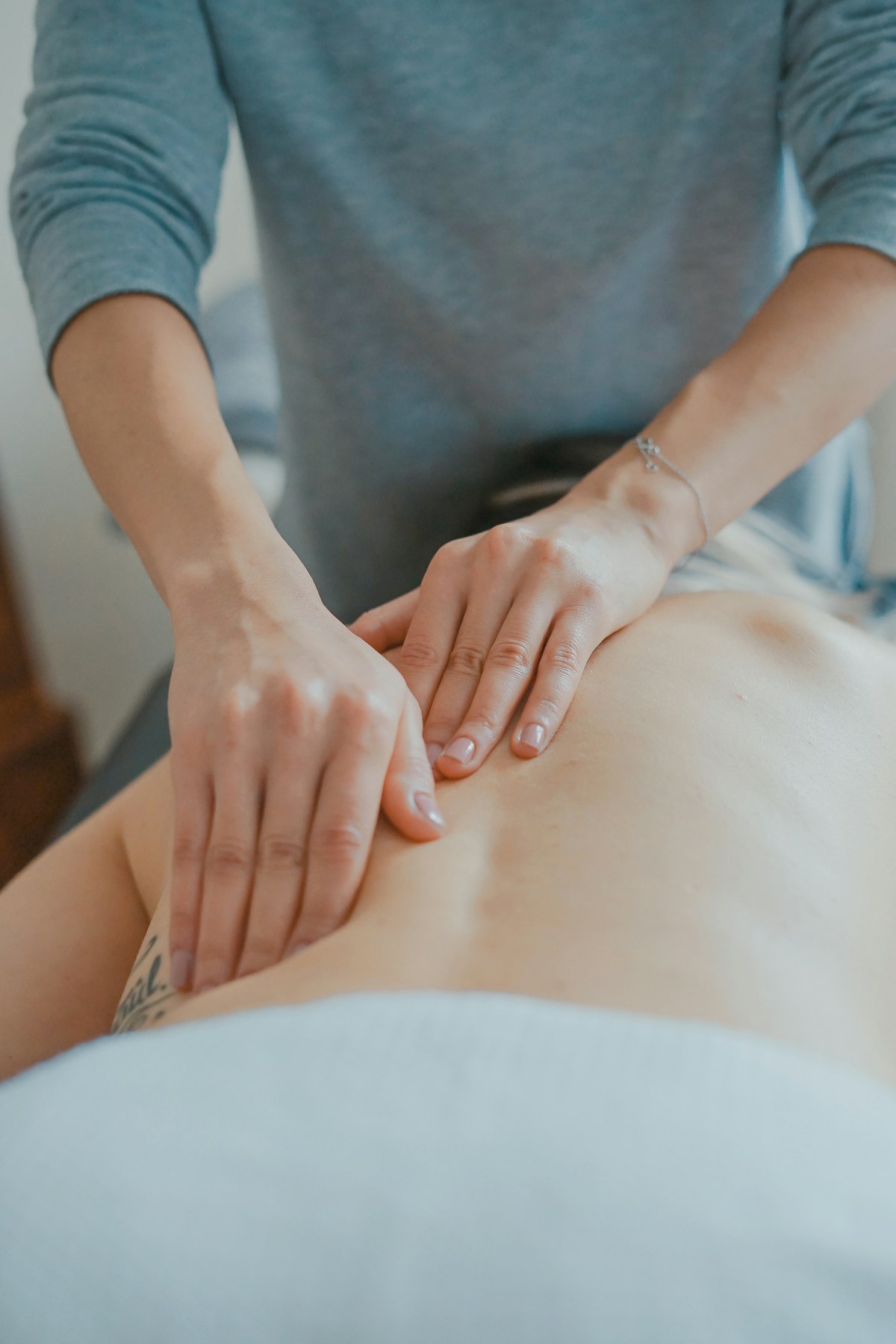
Unlike Western massage, which often focuses on manipulating soft tissues, Shiatsu works by applying rhythmic pressure to specific points along these meridians using fingers, thumbs, palms, elbows, or even knees and feet. The goal? To unblock stagnant energy, stimulate the body’s natural healing abilities, and restore balance.
How Does Shiatsu Work?
Shiatsu practitioners believe that when qi flows freely, the body functions optimally—physically, emotionally, and mentally. Stress, poor posture, injury, or emotional turmoil can disrupt this flow, leading to tension, fatigue, pain, or illness.
During a Shiatsu session:
- The client remains fully clothed, typically lying on a futon mat on the floor (though table-based sessions are also common).
- The practitioner assesses the body’s energy state through observation, touch, and questioning.
- Pressure is applied to key acupressure points (called tsubo) along the meridians.
- Gentle stretches, joint rotations, and rocking motions may be incorporated to enhance flexibility and release tension.
- Breathing is often synchronized with the practitioner’s movements to deepen relaxation.
The pressure varies—from gentle and soothing to firm and invigorating—depending on the individual’s needs and constitution.
Key Benefits of Shiatsu Massage
While experiences vary, many people report both immediate and long-term benefits from regular Shiatsu sessions:
Deep Relaxation & Stress Relief
By calming the nervous system, Shiatsu helps reduce cortisol levels and activates the parasympathetic (“rest and digest”) response—ideal for unwinding after a hectic day.Improved Circulation & Lymphatic Flow
Pressure and movement stimulate blood and lymph circulation, aiding detoxification and nutrient delivery to tissues.Pain & Tension Reduction
Effective for headaches, neck and shoulder stiffness, back pain, and joint discomfort—especially when caused by stress or poor posture.Enhanced Energy & Vitality
Rather than leaving you drained, Shiatsu often leaves people feeling refreshed, grounded, and more energized—like a system reboot.Emotional Balance
Because meridians are linked to emotional states (e.g., liver meridian with anger, lung with grief), Shiatsu can help process and release emotional blockages.Support for Digestive & Hormonal Health
Regular sessions may improve digestion, regulate menstrual cycles, and alleviate symptoms of anxiety or insomnia.
What to Expect in a Shiatsu Session
A typical session lasts 60 to 90 minutes. You’ll wear loose, comfortable clothing (avoid jeans or belts). The practitioner may begin with a brief consultation to understand your current state—physical symptoms, stress levels, sleep quality, etc.
The treatment itself is quiet and meditative. You might feel waves of warmth, tingling, or release as pressure is applied. Some points may feel tender—this is normal and often indicates an area of imbalance. Communication is key; a good practitioner will adjust pressure based on your feedback.
Afterward, it’s common to feel deeply relaxed, slightly lightheaded, or even emotionally tender—signs that your body is shifting and healing. Drinking water and resting afterward is recommended.
Is Shiatsu Right for You?
Shiatsu is generally safe for most people, but there are a few contraindications:
- Avoid if you have fever, infectious disease, or acute inflammation.
- Consult your doctor if you have osteoporosis, recent fractures, blood clotting disorders, or are pregnant (though prenatal Shiatsu exists and can be beneficial when done by a trained specialist).
- Always choose a certified practitioner—look for credentials from recognized schools (e.g., Nippon Shiatsu School, Ohashiatsu, or Zen Shiatsu traditions).
Bringing Shiatsu Into Your Self-Care Routine
While professional sessions offer the deepest benefits, you can incorporate simple Shiatsu-inspired practices at home:
- Hand Shiatsu: Press the webbing between your thumb and index finger (LI4 point) to relieve headaches and stress.
- Foot Roll: Use a tennis ball under your foot to stimulate meridian points connected to organs.
- Neck & Shoulder Release: Gently press along the base of your skull and trapezius muscles with your fingertips, breathing deeply.
- Mindful Breathing: Pair slow, deep breaths with light pressure on your sternum or abdomen to calm the nervous system.
Final Thoughts
Shiatsu massage is more than just a treatment—it’s a conversation between practitioner and recipient, a dance of pressure and presence that invites the body to remember its innate wisdom. In our overstimulated world, Shiatsu offers a sanctuary: a return to stillness, balance, and the quiet power of touch.
Whether you’re seeking relief from chronic tension, looking to deepen your mindfulness practice, or simply craving a moment of true peace, Shiatsu might just be the gentle, grounding therapy you’ve been waiting for.
Ready to try it?
Search for a licensed Shiatsu practitioner in your area—and prepare to press pause, breathe deep, and let your body heal.
Have you experienced Shiatsu? Share your thoughts in the comments below—I’d love to hear how it touched your journey to relaxation. 🌿