Self-Care Ideas for the Weekend
You've made it through another busy week, and your body is sending signals that it's time to slow down. The weekend is your chance to press pause, reconnect with yourself, and invest in your wellbeing in ways that feel nourishing rather than rushed. Whether you have two hours or a full day to dedicate to self-care, there are meaningful practices and professional services that can help you unwind and recharge. The key is choosing activities that align with what your mind and body actually need right now. For some, this means complete stillness and silence, while for others, it means gentle movement and social connection. By identifying your specific needs, you can transform your weekend from a simple break into a restorative ritual that sustains you through the following work week.
Start with a Massage or Bodywork Session
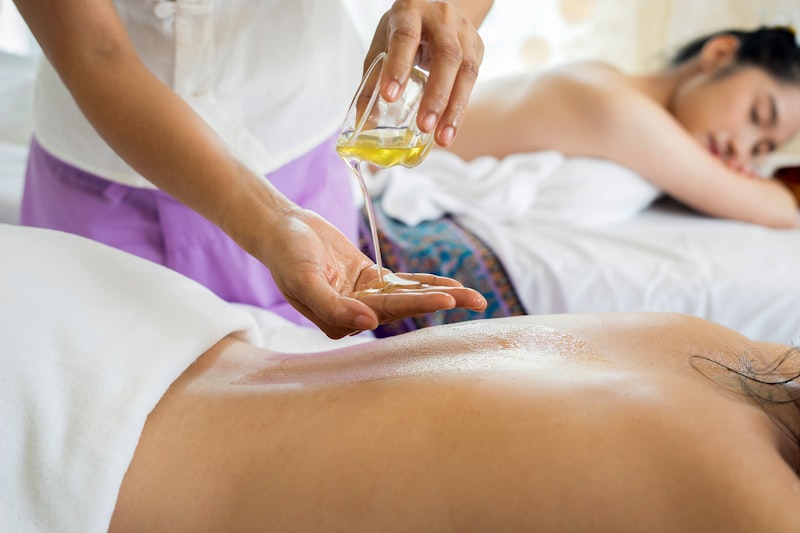
One of the most direct ways to release tension is through professional touch. After days of sitting at a desk, driving in traffic, or managing stress, your muscles are likely holding onto that tension. This physical stress often manifests as tight shoulders, a stiff neck, or lower back pain, which can lead to tension headaches and fatigue. A massage therapy session can help you let go in ways that self-massage simply cannot match, as a trained professional can identify trigger points and use specific techniques to release deep seated knots.
- Swedish massage is the most common style and typically costs $60 to $150 per hour. This approach focuses on relaxation, increasing blood flow, and easing the overall tension of the body through long, gliding strokes.
- Deep tissue massage runs $75 to $180 per hour. This is a more targeted approach that uses slower, firmer strokes to reach deeper layers of muscle and fascia. It is particularly effective for those with chronic aches or those recovering from athletic injuries.
- Specialty treatments like hot stone massage, aromatherapy massage, or Thai massage often fall in the $80 to $200 range. Hot stones use warmed volcanic rocks to melt away tension, while aromatherapy incorporates essential oils to engage your sense of smell and influence your mood.
If you're new to massage, arrive 10 to 15 minutes early to fill out intake forms and discuss any areas of concern with your therapist. Be honest about your pressure preferences, as communication is key to a successful session. Most people find that their first session sets them up for better sleep and reduced tension throughout the following week. To maximize the benefits, drink plenty of water after your appointment to help your body process the toxins released from the muscles during the session.
Immerse Yourself in Water Wellness
There's something deeply restorative about water. Whether it's a warm bath at home, a sauna session, or a float tank experience, water-based therapies calm your nervous system and ease physical tension. Hydrotherapy works by manipulating the temperature and pressure of water to influence your heart rate, blood pressure, and muscle tone.
Consider these options for your weekend:
- Sauna sessions at wellness studios cost $20 to $60 per visit and typically last 20 to 45 minutes. The intense heat promotes circulation, helps flush toxins through perspiration, and can improve skin health. To get the most out of a sauna, try alternating the heat with a cool shower to stimulate your cardiovascular system.
- Float tanks or sensory deprivation tanks cost $60 to $100 per hour. These tanks use a high concentration of Epsom salts in the water to create weightlessness. By removing visual and auditory stimuli, your body can completely relax while your mind enters a deep meditative state, often reducing anxiety and mental clutter.
- Heated pools or hot tubs at spas and wellness centers cost $15 to $50 per visit. These provide gentle relief without the intensity of a sauna. The buoyancy of the water reduces the load on your joints, making it an ideal choice for those with arthritis or joint pain.
Start with shorter sessions if you're trying something new. Bringing a bottle of water with you is essential, as these treatments can be dehydrating. Stay hydrated afterward, avoid alcohol, and avoid intense exercise on the day you use a sauna or float tank to allow your body to remain in a state of recovery.
Try a Yoga or Meditation Class
Movement paired with mindfulness creates a powerful reset for both body and mind. You don't need to be flexible or experienced to benefit from a yoga class, and meditation requires nothing but your willingness to sit quietly. These practices help bridge the gap between your physical and mental states, allowing you to process the stress of the week through intentional breath and motion.
- Drop-in yoga classes at studios typically cost $15 to $25 per class, with package discounts available if you plan to go regularly. Vinyasa or Hatha styles are great for building strength and balance.
- Meditation or sound bath classes range from $20 to $40. These sessions might include instruments like singing bowls, gongs, or chimes. The vibrations from these instruments help shift your brainwaves into a state of deep relaxation, making it easier to let go of intrusive thoughts.
- Gentle or restorative yoga is ideal if you're looking for deep relaxation rather than a vigorous workout. In restorative yoga, you hold poses for longer periods with the support of props, which allows the nervous system to shift from fight or flight mode into rest and digest mode.
Weekend morning classes tend to be less crowded than weekday evening ones, giving you more space to focus inward. Arrive early to settle into the room, tell the instructor you're a beginner if this is your first time, and use props like blankets and blocks without hesitation. These tools are not just for beginners, they are there to help every body feel comfortable and supported in every pose.
Create an At-Home Spa Ritual
You don't need to book anything to practice meaningful self-care. Sometimes the most restorative option is to stay in your own space where you feel completely safe and relaxed. Set aside an evening to create your own wellness sanctuary by removing distractions and focusing on your senses.
- Take a long, warm bath with Epsom salts, which cost $5 to $15. These salts are rich in magnesium, which can help soothe sore muscles and promote a sense of calm. Add a few drops of lavender or eucalyptus essential oils to enhance the experience.
- Do a face mask, which can cost between $3 and $25, while sipping herbal tea. Choosing a hydrating or calming mask allows you to focus on a simple act of grooming that feels luxurious.
- Practice dry brushing before your bath to improve circulation. Use a natural bristle brush in long, sweeping motions toward your heart to exfoliate the skin and encourage lymphatic drainage.
- Light candles, play calming music or nature sounds, and silence your phone for at least an hour. Disconnecting from digital notifications is a critical part of mental wellness.
The cost of a home spa night is minimal, but the mental shift is significant. By dedicating a specific time and space to these activities, you are telling yourself that your comfort matters and that rest is a priority. This intentionality transforms a regular bathroom into a place of healing and renewal.
Make It Happen This Weekend
Self-care isn't selfish, it's essential maintenance. Much like a car requires regular service to run efficiently, your mind and body require consistent care to function at their best. Neglecting your wellbeing often leads to burnout, irritability, and physical ailments. Whatever combination of activities resonates with you, commit to at least one this weekend. Whether it is a professional treatment or a quiet night at home, the act of prioritizing yourself is the most important step. Your future self will thank you for the care you invest now.
Ready to explore wellness venues near you? Find studios, spas, and wellness centers offering these services at SelfCareMap.com/category/relax and book your first appointment today.