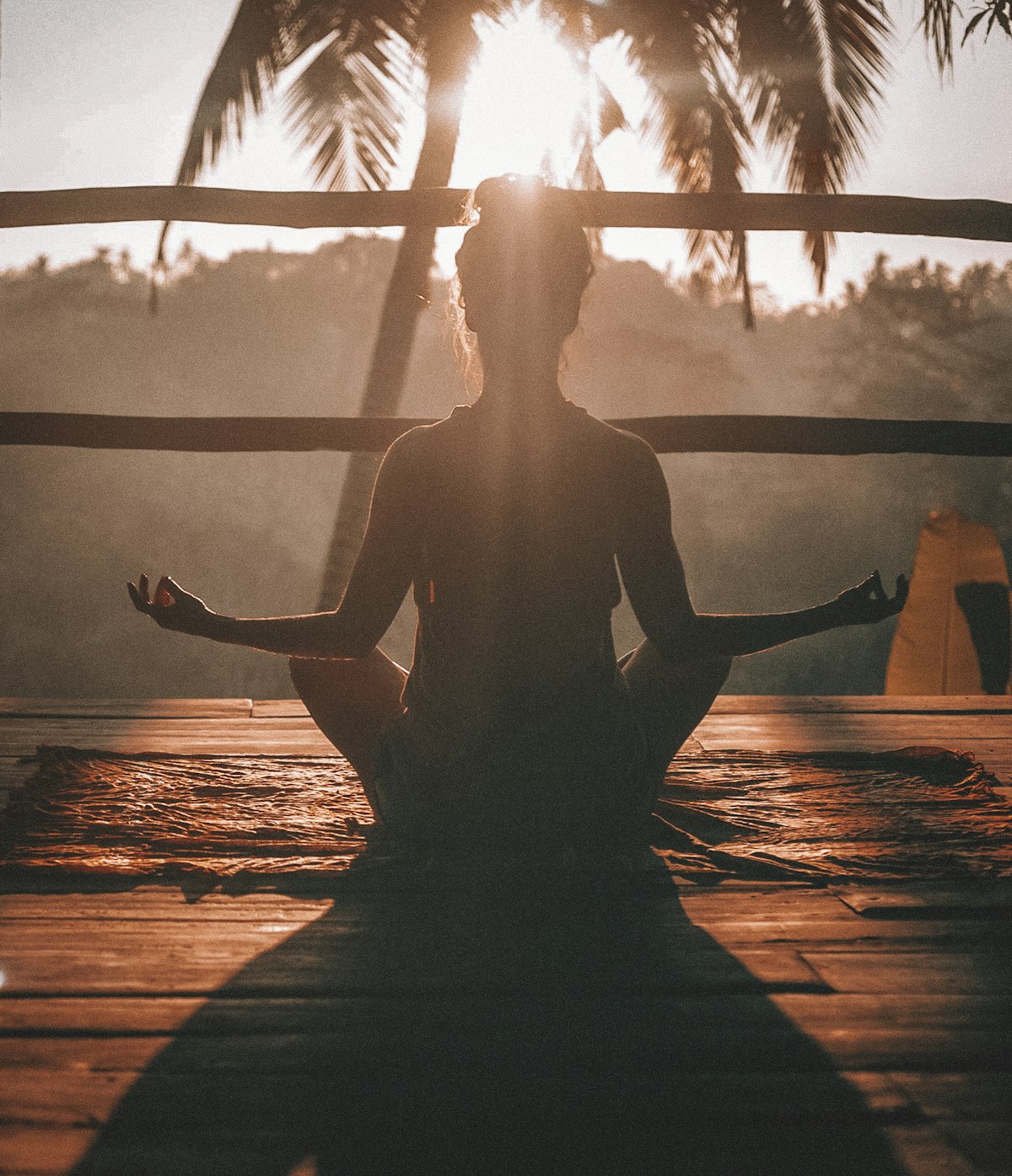
How Yoga Helps Athletes Recover and Perform Better
In the high-octane world of sports, where milliseconds matter, muscles scream, and mental fatigue can be as debilitating as physical strain, athletes are constantly seeking an edge. While strength training, nutrition, and sleep get plenty of attention, one quiet, ancient practice is quietly transforming performance from the inside out: yoga.
Far from being just for flexibility enthusiasts or meditation seekers, yoga has become a secret weapon for elite athletes across disciplines, from NFL linemen and Olympic swimmers to tennis champions and marathon runners. These professionals recognize that the body cannot simply be pushed to its limit indefinitely without a sophisticated system of restoration. Here is how yoga does not just help athletes recover, it helps them thrive.
🧘♂️ 1. Accelerated Recovery Through Active Restoration
After intense training or competition, the body is in a state of inflammation and micro-tears. This process is necessary for muscle growth and adaptation, but it can be painful and restrictive if left unmanaged. Traditional recovery often involves passive methods like ice baths or compression boots, but yoga introduces active restoration. Specifically, restorative or yin styles of yoga activate the parasympathetic nervous system, which is often called the rest and digest mode. By shifting the body out of the sympathetic fight or flight state, yoga helps lower cortisol levels and improve heart rate variability.
Gentle flows, deep diaphragmatic breathing, and prolonged holds increase blood flow to fatigued muscles. This process helps flush out metabolic waste, such as lactic acid, and delivers fresh oxygen and nutrients to the tissues where they are needed most. For example, a runner who spends ten minutes in a supported bridge pose or a gentle twist can release the tension in the psoas and lower back, preventing the stiffness that often sets in the morning after a race. The result is less soreness, a faster bounce-back time between sessions, and fewer overuse injuries over time.
Think of yoga not as downtime, but as smart recovery engineering.
💪 2. Enhanced Flexibility and Mobility — Without Sacrificing Power
Many athletes fear that excessive stretching will make them loose or weak, potentially reducing their explosive power. However, yoga is not about passive stretching, which can sometimes destabilize a joint. Instead, it focuses on controlled mobility. This is the ability to maintain strength and control through a full range of motion. Poses like Downward Dog, Pigeon, and Warrior II improve joint range of motion in the hips, shoulders, and spine. These areas often become tight and restrictive due to the repetitive, linear movements common in sport-specific training.
Better mobility leads to several tangible performance gains. First, it allows for more efficient biomechanics, such as a longer, more fluid stride in distance running or a deeper, more stable squat in Olympic lifting. Second, it reduces compensatory strain on joints and ligaments. When the hips are tight, the body often forces the lower back to overwork, leading to injury. Yoga corrects these imbalances. Finally, it improves technique and form even under extreme fatigue. Athletes who practice yoga regularly report feeling lighter and more fluid in their movements, as if they have unlocked a hidden gear of efficiency.
🧠 3. Mental Resilience: The Unseen Performance Booster
Elite performance is not just physical, it is psychological. The ability to remain composed under immense pressure is often what separates a gold medalist from the rest of the field. Yoga cultivates mindfulness, breath awareness, and present-moment focus, which are skills directly transferable to the pressure cooker of competition.
Through pranayama, or breath control, and meditation, athletes learn to regulate their internal state. This allows them to stay calm during high-stress moments, such as taking a crucial free throw, executing a penalty kick, or pushing through the final laps of a swim meet. By focusing on the breath, they can quiet the inner critic and avoid the spiral of performance anxiety. Furthermore, yoga develops greater body awareness, known as interoception. This is the ability to sense the internal state of the body, allowing an athlete to know exactly when to push for a personal best and when to ease off to avoid a breakdown. NBA stars like LeBron James and Kevin Love have publicly credited yoga and mindfulness for helping them stay mentally sharp and emotionally balanced through grueling eighty two game seasons. It is not magic, it is disciplined mental training.
🛡️ 4. Injury Prevention: Building a Bulletproof Body
Yoga strengthens stabilizing muscles that are often neglected in traditional weightlifting or cardiovascular training. These include the deep core, the glute medius, and the scapular stabilizers around the shoulder blades. While a bench press builds the chest and triceps, yoga poses like Plank or Chaturanga build the foundational stability required to protect the joints during erratic movements. It also improves proprioception, which is your body’s sense of position in space. This awareness reduces awkward landings, missteps on a trail, or non-contact injuries during a quick change of direction.
Studies show athletes who incorporate yoga into their routines experience significantly lower rates of common sports injuries. This includes hamstring strains, chronic lower back pain, shoulder impingements, and ACL tears, particularly in soccer and basketball players who rely on rapid pivoting. By balancing the muscle groups and ensuring that the connective tissues are resilient, yoga acts as a form of insurance for the body. It is not about replacing strength training, it is about making that training smarter and safer.
🌱 5. Sustainable Longevity in Sport
The greatest athletes are not just the strongest or fastest in a single year, they are the ones who can stay in the game the longest. Yoga supports career longevity by reducing the cumulative wear and tear on the skeletal system. By maintaining joint space and spinal decompression, yoga helps prevent the premature degradation of cartilage.
Additionally, yoga promotes better sleep quality by triggering the relaxation response, which allows the brain to shut down and the body to enter deep repair mode. It also encourages body intuition, helping athletes recognize the subtle warning signs of overtraining burnout before they become catastrophic injuries. Many veteran athletes, such as Tom Brady, who utilizes pliability and yoga-inspired routines, and Serena Williams, attribute part of their extended peak performance to these mind-body practices. They understand that the body is an instrument that requires tuning, not just a machine to be driven.
✅ How to Start (Even If You’re Not “Flexible”)
You do not need to touch your toes or stand on your head to benefit from this practice. The goal is functional improvement, not circus performance. Begin with these simple steps:
- 10 to 15 minutes post-workout: Focus on gentle stretching and diaphragmatic breathing to signal to your body that the work is done.
- Twice weekly: Dedicate 20 to 30 minutes to a yoga flow specifically focused on the hips, shoulders, and spine.
- Use props: Do not hesitate to use blocks, straps, and blankets. These tools make poses accessible and ensure you maintain correct alignment without straining.
- Try athlete-specific yoga: Look for classes labeled as Yoga for Athletes, Sports Yoga, or Recovery Yoga. Many high-quality resources are available for free on YouTube or through apps like Yoga With Adriene, Down Dog, or the Nike Training Club.
Start small. Stay consistent. Let the benefits compound.
Final Thought: Yoga Isn’t the Opposite of Athleticism—It’s Its Evolution
The myth that yoga is too soft for athletes is fading fast. In truth, yoga does not make you less athletic, it makes you more athletic. It makes you more resilient, more aware, more efficient, and more durable.
In a world where every fraction of a percent counts, yoga offers something no supplement or gadget can provide, which is a deeper connection between mind, body, and breath. This connection is the ultimate performance foundation.
So roll out your mat. Breathe deep. Move mindfully. Your next personal best might just begin in stillness.