How to Turn Your Bedtime Routine Into a Mini Spa Experience
Let’s be honest: most of us treat bedtime like a chore. It often consists of brushing teeth, scrolling through phones, and collapsing into bed still half wired from the day. This frantic pace keeps our brains in a state of high alert, which can make it nearly impossible to achieve deep, restorative sleep. But what if your nightly wind down could feel less like a checklist and more like a luxurious escape? You don’t need a weekend getaway or a pricey spa membership to indulge in deep relaxation. With a few intentional tweaks, your bedroom can become a sanctuary of calm, a mini spa experience you can enjoy every single night.
By shifting your perspective from efficiency to indulgence, you change the chemistry of your evening. When you treat your bedtime as a ritual rather than a task, you invite your mind to let go of the day's stressors. Here’s how to transform your bedtime routine into a soothing, spa worthy ritual, no passport required.
What You'll Need
🌿 1. Set the Scene: Ambiance is Everything
Spas don’t just rely on treatments, they create an atmosphere designed to soothe all five senses. This sensory immersion tells your brain that the productive part of the day is over. Start by dimming the lights at least an hour before bed. This supports your natural circadian rhythm by encouraging the production of melatonin, the hormone responsible for sleep. Swap harsh overhead fluorescent lights for warm, soft lighting. Think salt lamps, string lights, or candles. If safety is a concern, opt for flameless LED versions that provide the same golden glow without the risk.
Sound is equally important in creating a sanctuary. Play a curated soundscape, such as gentle rain, ocean waves, or a spa style instrumental playlist. Spotify and YouTube have plenty of these options, ranging from Tibetan singing bowls to soft piano. To fully immerse yourself, silence all notifications. Better yet, leave your phone in another room entirely to avoid the temptation of a late night scroll. This isn’t just about sleep, it is about signaling to your nervous system that it is safe to unwind and move out of fight or flight mode.
🛁 2. Elevate Your Cleanse: Make Washing Feel Like a Ritual
Instead of rushing through your face wash as if it were a chore, turn it into a mindful moment of self care. Use a cleanser with a luxurious texture. A balm that melts into a rich oil is excellent for dissolving the day's impurities, while a foaming gel with calming scents like lavender or chamomile can feel refreshing. As you cleanse, massage the product into your skin slowly. Focus on common tension points where we hold stress, such as the jawline, the temples, and the forehead.
To truly mimic the professional spa experience, follow with a warm, damp cloth. Press it gently over your face for about 20 seconds. This mimics the feeling of a hot towel treatment used in high end facials to open pores and relax facial muscles. Once your skin is prepped, apply your serum or moisturizer using upward, lymphatic drainage motions. Start from the center of your face and move outward toward your ears. For an extra soothing touch, keep your skincare tools, like a jade roller or gua sha, chilled in the fridge. The cold stone helps reduce puffiness and wakes up your skin while calming inflammation.
💧 3. Hydrate from the Inside Out
Spas often offer herbal tea or infused water post treatment to help guests rehydrate and ground themselves. You can easily recreate this ritual at home. Brew a cup of caffeine free herbal tea. Chamomile, passionflower, or valerian root work beautifully for sleep, as they contain natural compounds that promote relaxation. Avoid sugary drinks or caffeinated teas, which can interfere with your sleep architecture.
Sip your tea slowly, allowing the warmth of the mug to soothe your hands. Use this time for a mental download. You might journal three things you are grateful for from the day, or write down tomorrow’s to do list. By externalizing your worries and tasks onto paper, you clear your mind and prevent the late night anxiety of forgetting a detail. To ensure your sleep remains uninterrupted, keep a glass of water by your bed, but finish your tea and water at least 20 minutes before lights out to avoid midnight bathroom trips.
🧘 4. Stretch or Breathe: Release the Day’s Tension
You wouldn’t skip the relaxation room at a spa, so don’t skip this step in your home routine. Physical tension often lingers in the hips, shoulders, and lower back. Spend 5 to 10 minutes on gentle stretching or restorative yoga. Try child’s pose to ground yourself, legs up the wall to improve circulation, or supine twists to neutralize the spine. These movements send a signal to your muscles that they no longer need to be braced for action.
Pair these movements with deep, conscious breathing. Try the 4, 7, 8 method. Inhale deeply for 4 seconds, hold the breath for 7 seconds, and exhale slowly through your mouth for 8 seconds. This specific rhythm helps activate your parasympathetic nervous system, which is the body's natural brake system. Even two minutes of focused breathing can shift your body from go mode to rest and digest, lowering your heart rate and prepping your brain for deep sleep.
🌸 5. Scent Your Sanctuary
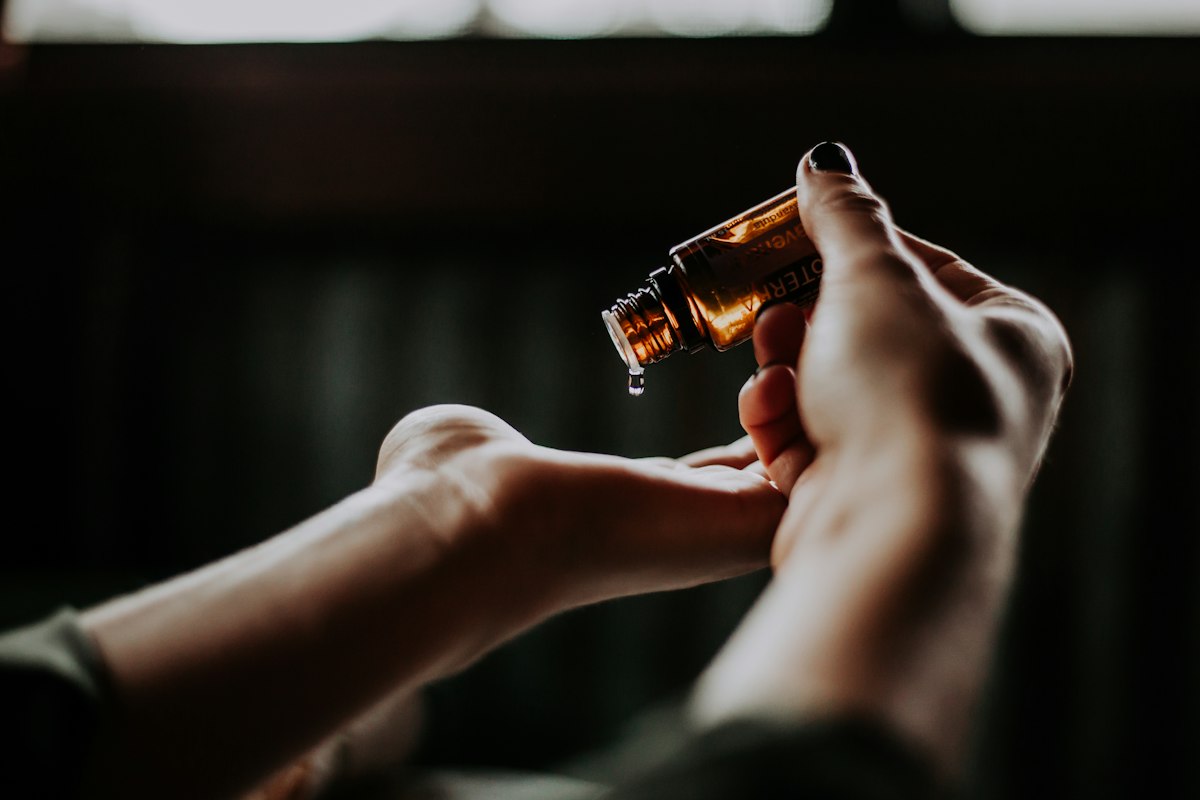
Aromatherapy is a spa staple for a reason, as scent is the only sense with a direct link to the limbic system, the part of the brain that processes emotions. Lavender is clinically shown to reduce anxiety and improve sleep quality. To incorporate this, try a few drops of essential oil on your pillowcase or use an ultrasonic diffuser to fill the room with a light mist. If you prefer not to apply oils directly, a linen spray is a great alternative.
Beyond lavender, consider other calming scents. Bergamot is excellent for lifting the mood while relaxing the mind, while cedarwood and frankincense provide a grounding, earthy aroma that feels like a forest retreat. Just remember that less is more. A subtle hint of fragrance is all you need to cue relaxation. If the scent is too strong, it may actually become stimulating rather than soothing.
📖 6. End with a Transition Ritual
Spas don’t just end with a massage, they guide you back to the world slowly. Your routine should do the same. Instead of jumping straight from your routine into a deep sleep, create a bridge. Read a few pages of a physical book. Avoid e readers with blue light, as this can trick your brain into thinking it is still daytime. Alternatively, listen to a short guided meditation or simply lie in silence.
Take a moment to feel the weight of your body sinking into the mattress. Notice the sensation of the sheets against your skin and the rhythm of your breath. Let this be the final transition between the chaos of the day and the peace of your dreams. By intentionally closing the day, you prevent your mind from racing the moment your head hits the pillow.
✨ Why This Works
This isn’t just self indulgence, it is self care with science behind it. Consistent, calming bedtime routines lower cortisol, the body's primary stress hormone. When cortisol levels drop, your sleep quality improves, and your body is better able to enter the deep stages of REM sleep where it repairs and regenerates.
Over time, this mini spa ritual becomes a powerful psychological signal. Your brain begins to associate these specific scents, sounds, and touches with safety and renewal. Eventually, simply lighting your candle or turning on your diffuser will automatically trigger a relaxation response. This is the power of ritual, turning a mundane necessity into a nightly act of love for yourself. And the best part? You get to do it again tomorrow.
So tonight, light that candle, press play on the rain sounds, and give yourself the gift of a spa night, no appointment needed. You’ve earned it.
Ready for the real thing? Find a Relax venue near you →