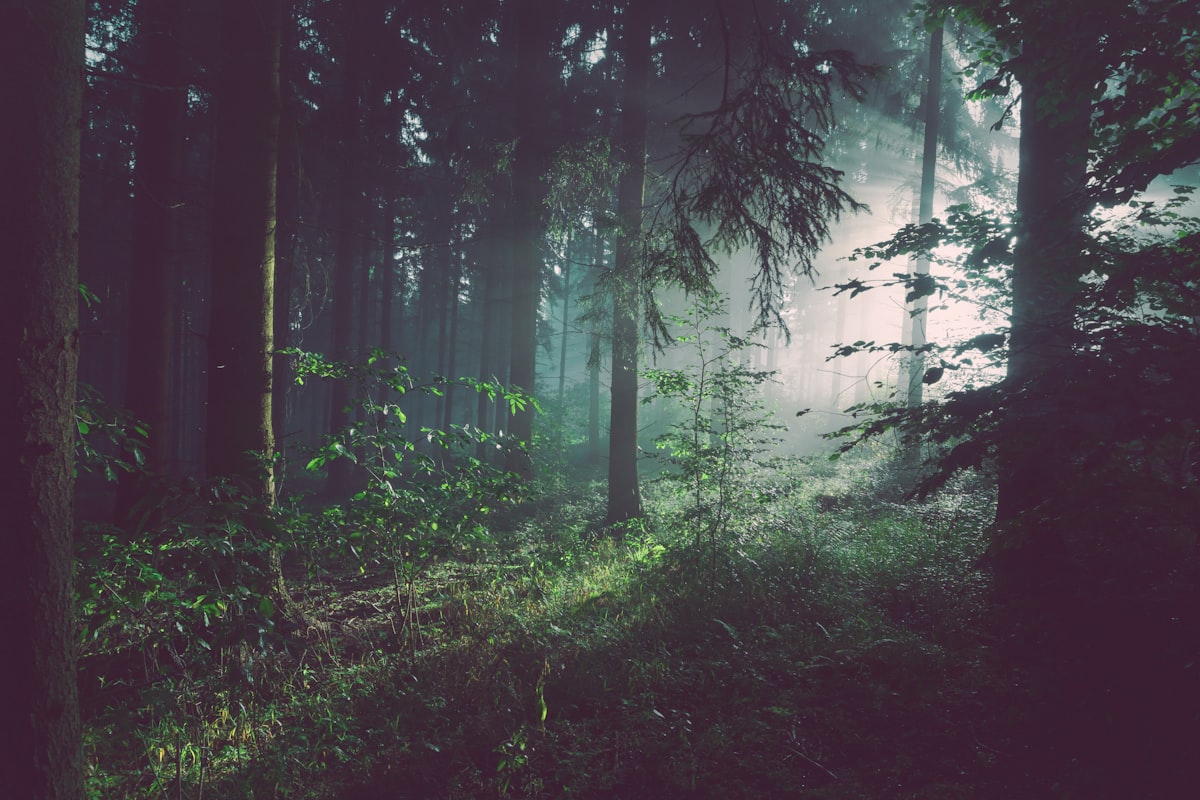
How to Plan a Nature Retreat on a Budget
Category: Escape
In a world that never stops buzzing—emails, deadlines, social media, and the constant hum of city life—sometimes the most radical act of self-care is simply stepping away. A nature retreat offers the perfect antidote: quiet forests, starlit skies, the sound of wind in the trees, and the chance to reconnect with yourself. But what if your budget feels tighter than a coiled spring? The good news? You don’t need a luxury lodge or a guided yoga tour to experience deep restoration. With a little creativity and planning, you can craft a meaningful, soul-refreshing nature retreat—without breaking the bank.
Here’s how to plan a nature retreat on a budget, step by step.
What You'll Need
1. Define Your “Why” (It’s Free, But Essential)
Before you pack a bag, ask yourself: What do I need from this retreat?
Is it silence? Movement? Solitude? Creative inspiration? Digital detox?
Clarifying your intention helps you avoid over-planning or spending on things that don’t serve you. A budget retreat isn’t about deprivation—it’s about alignment. When your retreat matches your inner need, even a simple setup feels luxurious.
Tip: Write one sentence: “I retreat to ______.” Keep it visible on your phone or journal.
2. Choose a Low-Cost (or Free) Destination
You don’t need to fly to Bali or book a cabin in Aspen. Nature is everywhere—often closer than you think.
Budget-friendly options:
- State or national parks (many offer $10–$30/night campsites; some have free dispersed camping)
- Bureau of Land Management (BLM) land (free camping in many western U.S. states—check blm.gov)
- National Forests (often allow free dispersed camping outside developed sites)
- Local trails, lakes, or wildlife preserves (perfect for day retreats if overnight isn’t feasible)
- Backyard or balcony (yes, really—more on this below)
Pro tip: Use apps like FreeCampsites.net, iOverlander, or The Dyrt (free version) to find legal, low-cost spots. Always check fire rules, permits, and Leave No Trace principles.
3. Swap Luxury for Simplicity (Your Gear Doesn’t Need to Be Fancy)
You don’t need a $500 tent or a portable espresso machine to find peace.
Budget gear hacks:
- Borrow a tent, sleeping bag, or stove from a friend.
- Use a tarp + paracord for shelter (ultralight and cheap).
- Repurpose old blankets or yoga mats as sleeping pads.
- Cook with a single-burner camp stove ($20) or even a portable alcohol stove (DIY from a cat food can—yes, really).
- Pack meals that are lightweight, nutritious, and cheap: oatmeal, lentils, rice, canned beans, peanut butter, tortillas, dried fruit, and tea.
Remember: The goal isn’t Instagram-worthy aesthetics—it’s presence. A chipped mug and a lopsided tarp can hold just as much peace as a glamping yurt.
4. Design a Simple, Intentional Schedule (No Itinerary Needed)
A retreat isn’t about checking off activities—it’s about creating space. But a loose structure helps prevent boredom or anxiety.
Try this gentle framework:
- Morning: Wake with the sun. Stretch, breathe, journal, or sip tea in silence.
- Midday: Walk, hike, sketch, nap, or read under a tree.
- Afternoon: Explore a nearby creek, practice grounding (barefoot on earth), or do a sensory meditation (what do you hear? smell? feel?).
- Evening: Cook a simple meal. Watch the sunset. Stargaze. Write one thing you’re grateful for.
- Night: Lights out early. Let the dark and quiet reset your nervous system.
No phone? Put it in airplane mode and leave it in your pack. If you need it for emergencies, check it once a day—then return it to silence.
5. Embrace Free & Frugal Practices
The deepest healing in nature doesn’t cost a dime.
Free retreat practices:
- Forest bathing (Shinrin-yoku): Slowly walk among trees, engaging all five senses.
- Grounding/Earthing: Stand barefoot on grass, soil, or sand for 10–20 minutes.
- Nature journaling: Sketch a leaf, write a poem, or list what you notice.
- Breathwork or meditation: Use the rhythm of wind or waves as your guide.
- Sunrise/sunset watching: Nature’s daily show—free and unforgettable.
- Silent meals: Eat mindfully, without distraction. Taste every bite.
These practices cost nothing but return immense value—reduced stress, improved mood, clearer thinking.
6. Consider a “Micro-Retreat” (If Time or Money Is Tight)
Can’t get away for a weekend? Try a micro-retreat:
- Half-day: Leave work early, go to a nearby lake or trail, spend 3–4 hours unplugged.
- Evening: After dinner, walk to a local park, sit under a tree, and just be for an hour.
- Even 20 minutes of mindful nature time can shift your state.
Consistency beats duration. A weekly 30-minute nature pause can be more restorative than an annual expensive escape you dread planning.
7. Leave No Trace (And Leave With More)
Respect the land that hosts you. Pack out everything you bring in. Stay on trails. Avoid disturbing wildlife.
When you care for nature, it cares for you in return—quietly, deeply, and without asking for anything but your presence.
Final Thought: The Best Retreats Are Internal
You don’t need a fancy location to retreat. You need intention, openness, and the willingness to slow down.
Nature doesn’t charge admission. It asks only that you show up—quietly, respectfully, and with an open heart.
So grab your worn-out boots, a jar of peanut butter, and that old fleece you’ve had since college.
The woods, the lake, the meadow—they’re waiting.
And this time, you won’t need a credit card to find peace.
Ready to escape?
Start small. Go local. Stay simple.
Your soul doesn’t need a five-star rating—it just needs space to breathe.
🌿 Your next retreat is closer than you think.