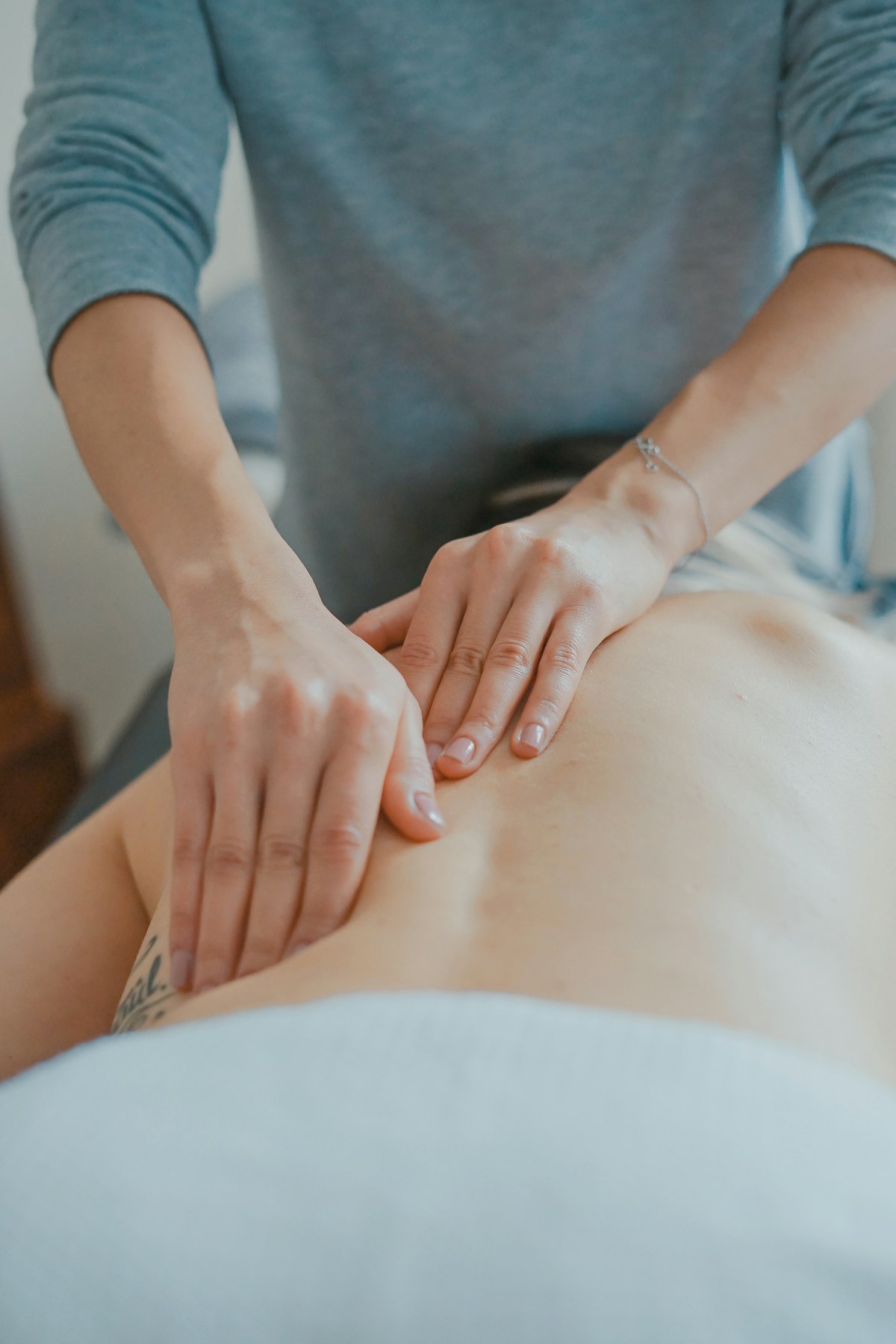
How to Do a Quick Mobility Routine to Loosen Stiff Joints
An at-home guide for the Recover subcategory
Stiff joints can sneak up on anyone, whether you have been sitting at a desk all day, pushing hard in your workouts, or just waking up feeling a little creaky. This sensation often stems from a lack of movement, which leads to the tightening of connective tissues and a decrease in the lubrication that allows joints to glide smoothly. The good news is that you do not need fancy equipment or hours of time to feel better. A simple, focused mobility routine can restore ease of movement, reduce discomfort, and prepare your body for the day ahead, or help it unwind after a long shift.
By focusing on active range of motion, you are essentially waking up the communication between your brain and your muscles. This process helps to release tension in the fascia and increases blood flow to areas that have become stagnant. This quick 5 to 7 minute routine targets the most commonly stiff areas, including the neck, shoulders, spine, hips, and ankles. Do it daily, or whenever you feel tension building. Move slowly, breathe deeply, and listen to your body. It is vital to remember that mobility is about exploration, not force, so never push into pain.
What You'll Need
While this specific sequence requires no equipment, incorporating a few recovery tools can amplify your results. To deepen the experience, consider using a foam roller to target myofascial trigger points before you begin your movements. A massage gun can be excellent for localized tension, especially in the traps or calves, to prep the muscle for a better range of motion. For those who feel systemic stiffness, an Epsom salt bath before or after this routine can help relax muscles through magnesium absorption and warm water therapy.
- Foam roller
- Massage gun
- Epsom salt
🌿 The Quick Mobility Routine (No Equipment Needed)
- Neck Rolls (1 minute)
Loosens tension from screen time, stress, or poor sleeping positions. When we stare at screens, we often develop a forward head posture that puts immense strain on the cervical spine.
- Sit or stand tall, imagining a string pulling the top of your head toward the ceiling.
- Slowly drop your right ear toward your right shoulder. Hold for 2 full breaths, feeling the stretch along the left side of your neck.
- Roll your chin down to your chest, then gently move your left ear to your left shoulder. Hold for 2 breaths.
- Reverse the direction of the movement. Complete 3 to 4 slow, controlled circles each way.
Tip: Keep movements smooth. Avoid jerking or hyperextending the neck. If you feel a pinch, reduce the range of motion and focus on a smaller, more comfortable circle.
- Shoulder Circles & Arm Swings (1 minute)
Releases tightness in the upper back and shoulders. This area often stores emotional stress and physical tension from typing or driving.
- Lift your shoulders up toward your ears, roll them back and down in a circular motion. Repeat this 10 times, focusing on squeezing the shoulder blades together.
- Reverse the movement by performing forward circles 10 times to ensure the joint is moving in all directions.
- Then, let your arms hang loose and gently swing them forward and back like pendulums for 10 repetitions on each side. Let the momentum of your body drive the movement rather than forcing it with your muscles.
Bonus: Add a gentle torso twist side to side while swinging. This engages the thoracic spine, which is the middle section of your back that often becomes locked in place during sedentary work.
- Cat-Cow Stretch (1 minute)
Mobilizes the spine and eases lower back stiffness. This exercise is a fundamental part of spinal hygiene, as it encourages flexion and extension of the vertebrae.
- Start on your hands and knees in a tabletop position, with wrists aligned under shoulders and knees under hips.
- Inhale deeply as you arch your back, lifting your head and tailbone toward the ceiling. This is the Cow position, which opens the chest and abdomen.
- Exhale slowly as you round your spine, tucking your chin to your chest and pulling your belly button toward your spine. This is the Cat position, which creates space between the shoulder blades.
- Move with your breath, keeping the transition slow and fluid. Repeat 8 to 10 cycles, focusing on moving one vertebra at a time.
- Hip Circles (1 minute per side)
Unlocks tight hips from prolonged sitting. The hip joint is a ball and socket joint, and when we sit for hours, the surrounding muscles like the psoas and hip flexors can shorten and tighten.
- Stand tall, holding onto a wall or a sturdy chair for balance if needed.
- Lift your right knee up to 90 degrees, forming a right angle with your leg.
- Make slow, controlled circles with your knee: move it forward, out to the side, back, and then down. Imagine you are drawing a circle on a wall in front of you.
- Do 10 circles clockwise, then 10 circles counterclockwise to ensure full joint articulation.
- Switch legs and repeat the process on the left side.
Focus on keeping your pelvis level. Do not let your hips hike up or drop to the side, as the goal is to mobilize the femur within the hip socket.
- Ankle Rolls & Toe/Heel Rocks (1 minute)
Improves circulation and joint glide in the feet and ankles. Many people overlook the ankles, but stiffness here can lead to imbalances in the knees and hips.
- Lift one foot slightly off the ground or rest it on a low stool. Rotate the ankle clockwise 10 times, then counterclockwise 10 times. Use a full range of motion, pointing the toes and flexing the foot.
- Switch feet and repeat.
- Then, stand with your feet hip width apart. Rock gently from your heels up to your toes 10 times, then rock from your toes back onto your heels 10 times.
This wakes up proprioception, which is your body's ability to sense its position in space, and helps prevent stiffness that travels up the kinetic chain to the lower back.
✅ Why This Works
This routine combines dynamic movement, which involves gentle motion through a functional range, with joint specific mobilization. This is exactly what stiff joints need to recover. Unlike static stretching, which involves holding a position for a long period and is best suited for after a workout, mobility drills improve the circulation of synovial fluid. This fluid acts as the joint's natural lubricant, reducing friction and wear and tear.
Additionally, these movements signal to your nervous system that it is safe to move freely. When we are stressed or sedentary, the body often enters a protective mode, tightening muscles to stabilize the joints. By performing these rhythmic, gentle movements, you tell your brain to release that tension.
Do this in the morning to wake up your body, during a work break to reset your posture, or in the evening to unwind from the day's stressors. Consistency beats intensity. Spending just 5 minutes daily on your mobility makes a noticeable difference over time, leading to better posture and a lower risk of injury.
Ready for the real thing? Find a Recover venue near you →
Whether you are maintaining progress at home or ready to dive deeper with guided recovery classes, contrast therapy, or assisted stretching, your local Recover space is waiting. Take the next step and invest in your long term physical health, because your joints will thank you.