How to Create a Vision Board That Feels Inspiring Not Cheesy
Let’s be real: vision boards get a bad rap.
We’ve all seen the glossy, Pinterest-perfect collages, cut-out magazine clippings of yachts, six-pack abs, and luxury villas, all glued onto a poster board with a glittery “I AM ABUNDANT” sticker slapped in the corner. It looks inspiring, until you realize it feels less like a roadmap and more like a fantasy scrapbook for someone else’s life. When we focus solely on the external markers of success, we often end up chasing a version of happiness that does not actually belong to us.
The problem isn’t vision boards themselves.
It’s how we’ve been taught to make them.
A truly inspiring vision board isn’t about collecting pretty pictures of things you wish you had. It is not a shopping list for a life you do not yet possess. Instead, it is about tuning into who you’re becoming, and making that future self feel real, tangible, and deeply aligned with your values. By shifting the focus from acquisition to embodiment, you transform a craft project into a psychological tool for growth.
Here’s how to create a vision board that feels inspiring, not cheesy, right from your living room floor.
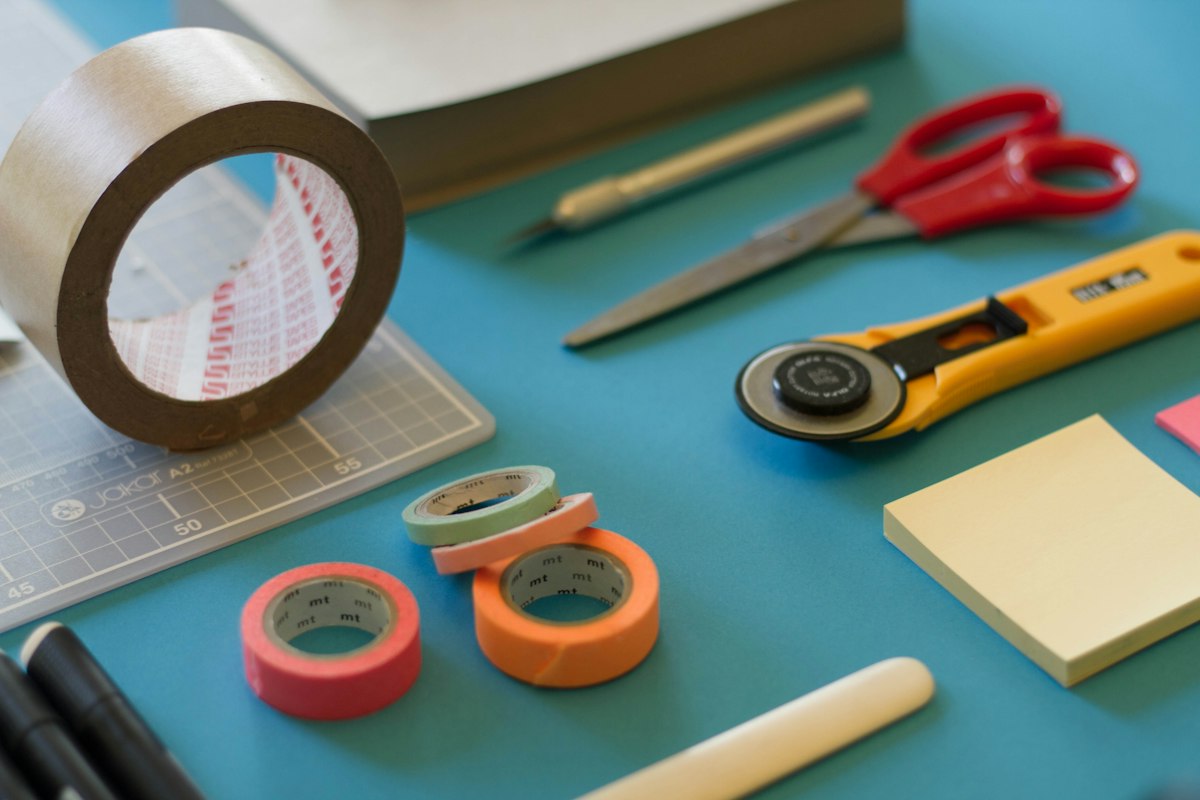
What You'll Need
Step 1: Start With Feeling, Not Images
Before you grab scissors or open Canva, pause. The biggest mistake people make is jumping straight into the visual phase. When we start with images, we let the internet tell us what we should want. To avoid the cheese factor, you must first establish an internal emotional compass.
Ask yourself:
“If I were living my ideal life six months from now, what would I feel most often?”
Not what you’d own. Not where you’d travel. Consider the subtle shifts in your nervous system. How would you feel in your body? In your relationships? In your quiet moments before the world wakes up? Think about the difference between wanting a beach house and wanting the feeling of serenity that the ocean provides. One is a thing, the other is a state of being.
Write down 3–5 core feelings:
- Peaceful
- Creative
- Connected
- Energized
- Proud of my boundaries
These are your north stars. Everything on your board should evoke one of these feelings, not just look nice. If you find a photo of a luxury car but it does not actually make you feel peaceful or energized, it does not belong on your board.
Step 2: Curate, Don’t Clutter
Forget filling every inch of space. In the world of wellness and intentionality, less is more when it comes to emotional resonance. A cluttered board creates a cluttered mind, which can lead to a sense of overwhelm rather than inspiration.
Gather images, words, textures, or objects that trigger the feelings you named, not just things that look “aspirational.” Look for organic imagery and personal symbols. This might mean looking through your own camera roll for a photo that actually means something to you, rather than searching for a generic stock image of a sunset.
Examples:
- A photo of sunlight on your kitchen floor, which evokes peaceful
- A smear of watercolor paint or a textured piece of fabric, which evokes creative
- A ticket stub from a meaningful conversation or a handwritten note, which evokes connected
- A piece of a worn-in sweater you love or a smooth stone from a favorite hike, which evokes safe and grounded
- A single word handwritten in your journal, such as “Enough,” which evokes proud of my boundaries
If it doesn’t make you pause and feel a quiet “yes” in your chest, leave it out. Cheesy vision boards shout. They demand attention with loud colors and obvious symbols. Inspiring ones whisper, and you lean in to hear them.
Step 3: Add Your Own Voice
This is where most vision boards fail: they’re made of other people’s dreams. Using only magazine cutouts or curated digital images creates a distance between you and your goals. It feels like you are staring at a brochure for a hotel you can never check into.
To make it authentic, include your own words. Your handwriting is a visceral connection to your current self, and seeing it on the board anchors the vision in reality.
- A quote you wrote in your journal last week that shifted your perspective
- A line from a poem that moved you to tears or made you feel seen
- A mantra you repeat when you’re scared, written in your own ink
- A doodle of your ideal morning routine, including the smell of coffee and the feel of the air
Your handwriting, your voice, and your imperfections are what make the board yours. They transform it from a wish list into a mirror. This personal touch ensures that the board reflects your internal truth rather than an external expectation.
Step 4: Place It Where You’ll Feel It—Not Just See It
The effectiveness of a vision board depends on its integration into your daily rhythm. If you hide it in a closet or put it in a room you rarely visit, it becomes a forgotten relic. However, if you place it where it becomes a subconscious cue, it can help rewire your brain to notice opportunities that align with your goals.
Hang it where you’ll encounter it in moments of stillness, not just when you’re scrolling past it on the wall during a rush.
- Above your desk, where you pause for a deep breath before starting your work day
- On the inside of your closet door, where you dress and prepare yourself for the world each morning
- Next to your bed, for those first sleepy moments upon waking when your mind is most open
The goal isn’t to stare at it daily like a to-do list or a rigid set of demands. It is to let it land in your peripheral awareness. When you are feeling lost, tired, or doubtful, your eyes catch a specific color or word on the board, and you remember: Oh yeah. This is who I’m becoming.
Step 5: Let It Evolve
Your vision board isn’t a monument. It is not a contract signed in blood that you must adhere to forever. Instead, it is a living conversation between you and your evolving self.
The people we are today are not the people we will be in six months. Your needs will change, your tastes will shift, and your definition of success will likely expand.
Set a reminder to revisit it monthly. Take a moment to sit with the board and ask if the images still spark that same "yes" in your chest. Remove what no longer resonates. Add what’s newly true. Maybe your “peaceful” feeling now comes from gardening, not meditation. Maybe “connected” looks like calling your sister weekly, rather than hosting big parties.
That’s not failure. That’s growth. And your board should grow with you. By allowing the board to change, you honor your own fluidity and avoid the trap of chasing a goal that you have already outgrown.
Final Thought: Inspiration Isn’t Loud—It’s Quietly Persistent
The most powerful vision boards don’t scream “LOOK WHAT I WANT!” They do not focus on the gap between where you are and where you want to be, because that gap often feels like a void of lack.
Instead, they softly say: “This is who you are, even when you forget.”
They don’t rely on fantasy or the promise of a lottery win. They root you in your own truth, your feelings, your rhythm, and your quiet courage. When you build a board based on internal alignment rather than external aesthetics, you create a sanctuary of intention.
And that?
That’s not cheesy.
That’s courageous.
Ready for the real thing? Find a Create venue near you →
(Because sometimes, the most inspiring visions are made not alone at your kitchen table, but in community, with scissors in hand and tea steaming beside you.)