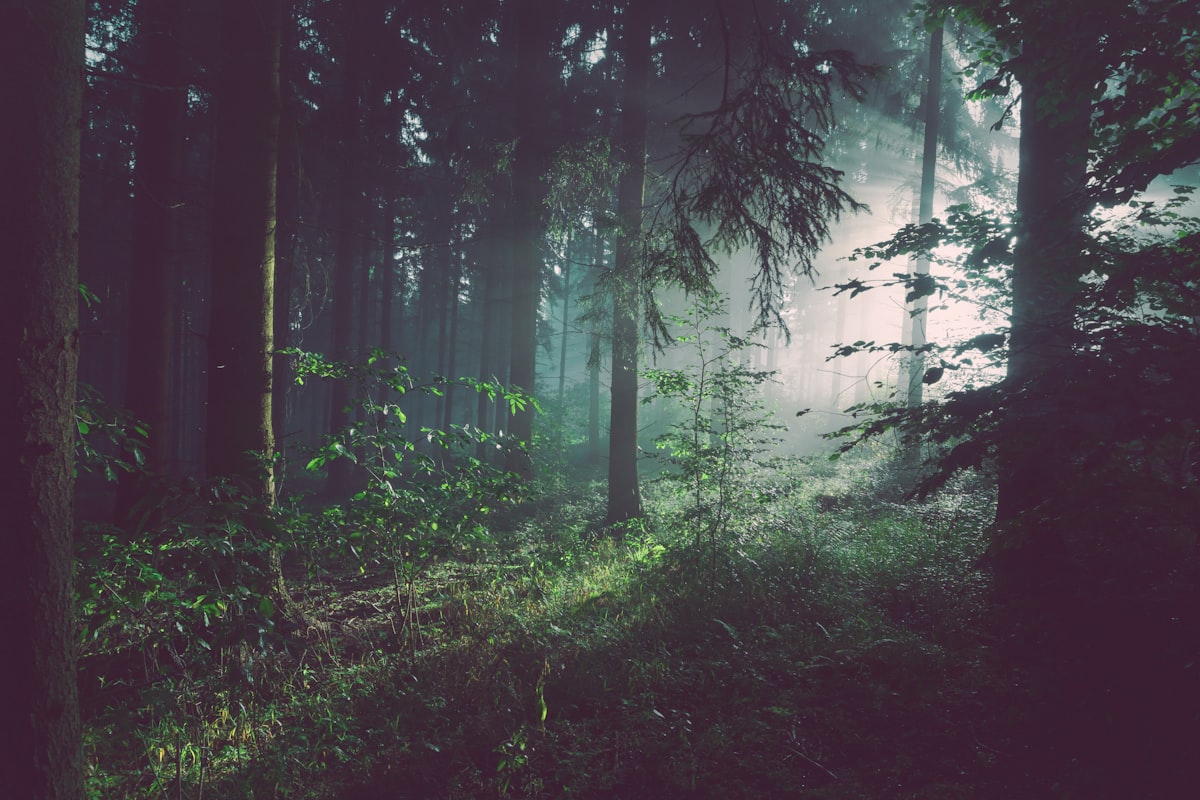
How to Create a Nature Walk Meditation Practice
Category: Escape
In a world that moves at breakneck speed—filled with notifications, deadlines, and endless to-do lists—finding moments of true stillness can feel like a luxury. But what if the antidote to overwhelm isn’t another app, another retreat, or another hour on the cushion… but simply stepping outside?
Enter the nature walk meditation practice: a gentle, accessible way to cultivate presence, calm, and connection—no special gear, no prior experience required. It’s mindfulness in motion, rooted in the ancient wisdom of walking meditations from Zen and Sufi traditions, now reborn for the modern soul seeking escape—not from life, but into it.
Here’s how to build your own nature walk meditation practice, one mindful step at a time.
What You'll Need
🌿 Why a Nature Walk Meditation?
Unlike seated meditation, which asks you to turn inward in stillness, a walking meditation invites you to engage with the world through your senses. Nature amplifies this effect: the rustle of leaves, the scent of damp earth, the play of light through branches—all become anchors for awareness.
Research shows that spending time in nature lowers cortisol, reduces rumination, and improves mood. When combined with mindful attention, the benefits deepen: you’re not just in nature—you’re with it.
This practice isn’t about clearing your mind. It’s about noticing what’s already there—without judgment.
🚶♀️ How to Create Your Practice (Step by Step)
1. Choose Your Path Wisely
You don’t need a forest or mountain trail. A quiet city park, a tree-lined street, a botanical garden, or even a backyard with birds and breeze will do.
→ Look for: Minimal traffic, natural elements (trees, water, grass, sky), and a sense of safety.
→ Tip: Walk the same route weekly to notice subtle changes—the budding of a flower, the shift in light, the return of a bird’s song.
2. Set an Intention (Not a Goal)
Before you begin, pause for 10 seconds. Breathe. Ask yourself:
“What do I need to receive from this walk?”
It might be:
- To feel grounded
- To listen more deeply
- To release tension
- To simply be, without fixing anything
This isn’t about “achieving” calm—it’s about opening to what’s already present.
3. Begin with a Body Scan (While Standing)
Before you take your first step, stand still. Feel your feet on the ground. Notice:
- The weight shifting from heel to toe
- The subtle sway of your body
- The rise and fall of your breath
- Any tension in your shoulders, jaw, or forehead
Gently release what you can. Let your arms hang loose or rest lightly at your sides.
4. Walk Slowly—Like You’re Kissing the Earth
Start walking at half your normal pace. Or slower.
Focus on the sensation of each step:
- Lift → Move → Place → Feel
Notice the pressure, the texture, the temperature under your soles.
If your mind wanders (it will), gently return to the sensation of walking—no scolding, just a soft “ah, there you are again.”
5. Engage Your Senses, One at a Time (Optional Rotation)
Every 2–3 minutes, shift your focus to a different sense:
- Sight: What colors, shapes, or movements catch your eye? Don’t label them—just see.
- Sound: Close your eyes for 10 seconds (if safe). What’s the farthest sound? The nearest?
- Touch: Feel the air on your skin. Is it cool? Warm? Humid?
- Smell: Breathe in slowly. What does the earth smell like after rain? Pine? Wet stone?
- Taste (if appropriate): Notice the air on your tongue. Is it crisp? Dusty? Sweet?
You don’t need to do all five. Just let one sense lead you into the present for a few breaths.
6. Welcome Distractions as Teachers
A squirrel darts across the path. A dog barks. Your mind replays a conversation.
Instead of frustration, smile inwardly: “Ah, there’s the human mind doing what it does.”
Then gently return to your walk. Each return is a rep in the gym of awareness.
7. End with Gratitude
When you’re ready to stop, stand still again. Take three deep breaths.
Place a hand over your heart. Whisper (or think):
“Thank you for this moment. Thank you for this earth.”
Let that gratitude linger as you return to your day.
🌱 Tips for Sustaining Your Practice
- Start small: 5–10 minutes, 2–3 times a week. Consistency > duration.
- Leave the phone behind (or put it on airplane mode, camera only if you want to capture a fleeting beauty).
- Walk in all weather (safely): Rain sharpens the senses; wind teaches flexibility; frost invites quiet awe.
- Journal briefly after (optional): One sentence about what you noticed. Over time, you’ll see patterns—what nourishes you, what distracts you.
- Invite a friend… but agree to silence. Walking meditatively with another can deepen connection without words.
🌿 The Real Escape
We often think of “escape” as fleeing—booking a flight, checking out, numbing the noise. But true escape isn’t leaving life behind. It’s arriving fully in it.
A nature walk meditation isn’t about escaping from stress—it’s about escaping into the aliveness that’s always here, waiting beneath the noise. It’s remembering that you are not separate from the rustling leaves, the flowing creek, the breath of the wind. You are part of it.
And in that remembering, you come home.
Your invitation:
Tomorrow, step outside. Walk slowly. Feel the earth. Breathe.
You don’t need to fix anything.
You just need to be here.
And that—right there—is enough.
🌿 Escape not by going away, but by arriving deeply. — Written for those who crave peace, not perfection.
Category: Escape
Let this be your gentle rebellion against the rush.
One mindful step at a time.