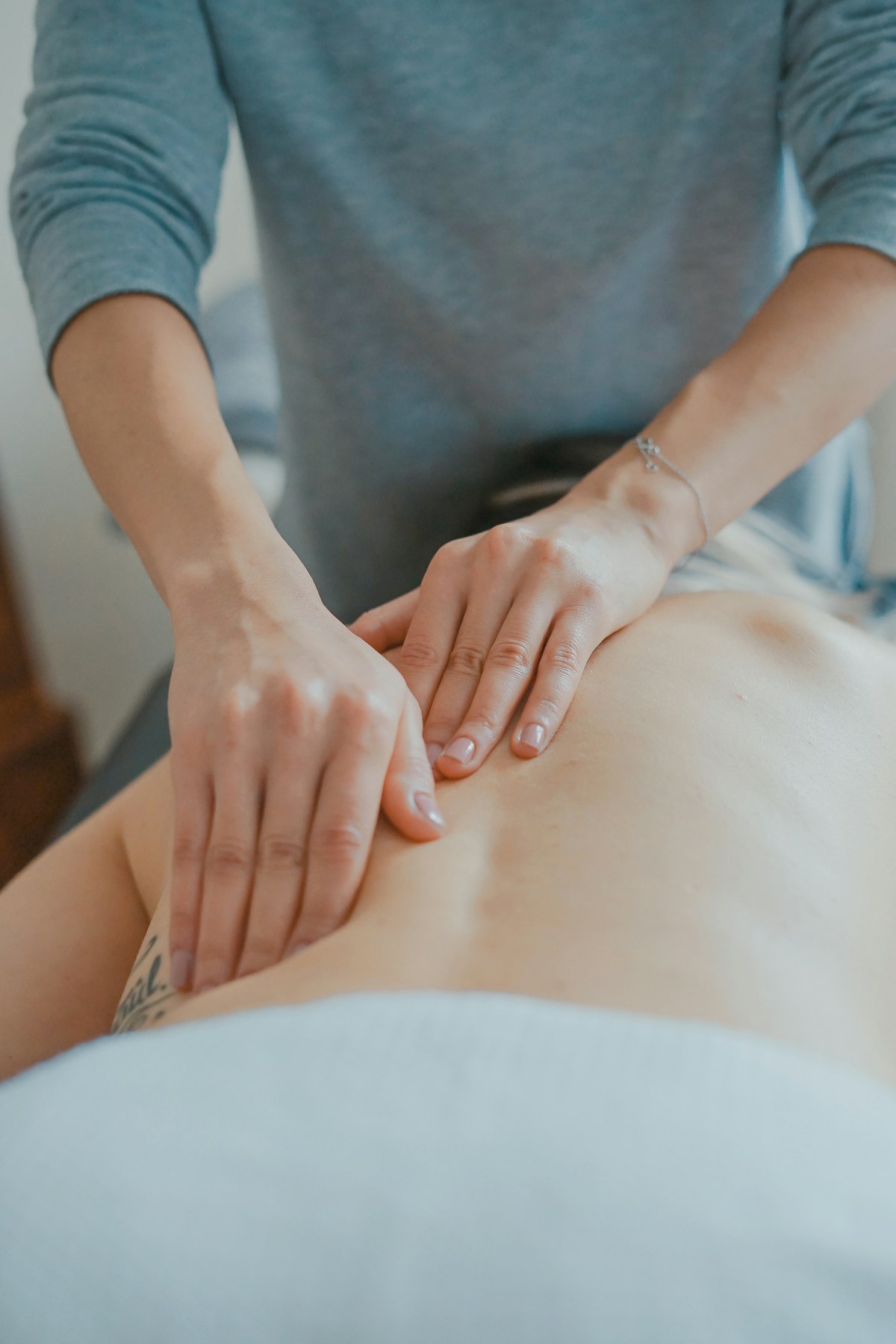
How to Choose the Best Massage Therapist Near You
Category: Relax
In today’s fast-paced world, finding time to unwind isn’t just a luxury, it’s essential for your physical and mental well-being. A great massage can melt away tension, ease chronic pain, improve circulation, and leave you feeling rejuvenated. Whether you are dealing with the physical toll of a desk job or the emotional weight of a busy lifestyle, massage therapy offers a holistic approach to recovery. But with so many options available, from high end spas to independent home studios, how do you choose the best massage therapist near you? Here’s a practical guide to help you find the perfect match for your relaxation and healing needs.
What You'll Need
1. Know Your Goals
Before you start searching, ask yourself: What do I want from this massage? The effectiveness of a session depends largely on the modality used, and not every therapist is trained in every style.
Are you looking for:
- Stress relief and relaxation? If your primary goal is to quiet the mind and soothe the nervous system, consider Swedish or aromatherapy massage. These use long, gliding strokes to improve blood flow and reduce cortisol levels.
- Relief from muscle tension or injury? If you have a specific knot or a sports injury, deep tissue, sports, or trigger point therapy may be best. These techniques focus on the deeper layers of muscle and connective tissue to release chronic tension.
- Improved mobility or joint function? For those dealing with stiffness or limited range of motion, myofascial release or Thai massage could help. Thai massage is often described as assisted yoga, involving stretching and compression.
- Prenatal care? Expectant mothers have unique physiological needs and pressure points. Look for a therapist specifically certified in prenatal massage who understands safe positioning and contraindications.
Understanding your goals ensures you match with a therapist whose specialties align with your needs, preventing the frustration of a session that feels too light or overly aggressive.
2. Check Credentials and Licensing
A qualified massage therapist should be licensed or certified in your state or region. Because massage involves physical manipulation of the body, professional regulation ensures a standard of safety and ethics. Requirements vary, but most places require completion of an accredited massage therapy program and passing a national exam, such as the MBLEx in the U.S.
✅ Look for:
- State license displayed in their office or on their website. This is the most basic proof that they have met the legal requirements to practice.
- Membership in professional organizations, such as the American Massage Therapy Association (AMTA) or the Associated Bodywork Professionals (ABMP). Membership often indicates a commitment to continuing education.
- Additional certifications in specialized modalities. If you need something specific, like lymphatic drainage for swelling or craniosacral therapy for migraines, ensure they have a dedicated certification in that area rather than just a general overview.
3. Read Reviews and Ask for Recommendations
Word of mouth is powerful because it provides a real world perspective on the therapist's bedside manner. Ask friends, coworkers, or even your primary healthcare provider for recommendations. Doctors often have a network of trusted therapists they refer to for medical massage.
Online, check platforms like Google, Yelp, or Facebook for reviews, but read them critically. Not every client has the same goals, so a review saying a massage was too light might be a positive for someone seeking relaxation but a negative for someone seeking deep tissue work. Look for patterns:
- Do multiple clients mention the therapist’s attentiveness, their ability to maintain consistent pressure, or their professional boundaries?
- Are there recurring complaints about cleanliness, poor communication, or a rushed atmosphere?
A few negative reviews regarding scheduling mishaps aren’t deal breakers, but consistent red flags regarding hygiene or unprofessional behavior should raise serious concerns.
4. Consider the Environment
The atmosphere of the massage space plays a big role in your ability to relax. The brain needs to feel safe and calm to allow the muscles to truly let go. When you visit, or even just browse their website or social media, notice:
- Is the space clean, quiet, and inviting? A cluttered or noisy environment can keep your mind in a state of alert, which counteracts the benefits of the massage.
- Is the lighting soft, and is there calming music or aromatherapy? Scent and sound are powerful tools for shifting the body from a fight or flight response into a rest and digest state.
- Are linens changed between clients? Is hygiene a priority? Look for fresh towels, clean sheets, and a therapist who washes their hands immediately before the session.
A serene, professional setting enhances the therapeutic experience and signals to your body that it is time to unwind.
5. Schedule a Consultation or Short Session First
Many therapists offer a brief consultation or a shorter introductory session, such as 30 minutes. This is a low risk way to test the chemistry between you and the provider. Use this opportunity to:
- Discuss your health history, specific areas of pain, and preferences. Be clear about your pressure preferences and any areas you wish to avoid.
- Gauge their communication style. Do they listen actively to your concerns? Do they ask clarifying questions about your pain levels?
- Assess how comfortable you feel with their touch and demeanor. Since massage is an intimate service, feeling a sense of trust and safety is paramount.
Trust your instincts. If the therapist seems distracted or if you feel uncomfortable for any reason, it is perfectly okay to keep looking for a different provider.
6. Evaluate Their Approach and Technique
A great therapist doesn’t just follow a generic routine, they tailor the session to you. Every body is different, and a cookie cutter approach rarely yields the best results. During your session, notice:
- Do they check in with you about pressure and comfort? They should ask if the pressure is sufficient or too intense, especially when working on sensitive areas.
- Do they adjust their technique based on your feedback? If you mention a specific knot, they should be able to pivot their focus to address it.
- Do they educate you about self care? The best therapists provide value beyond the table by suggesting stretches, posture tips, or hydration advice to help the benefits last longer.
The best therapists empower you with knowledge and treat you as a partner in your wellness journey rather than just a passive recipient.
7. Consider Logistics
Even the best therapist won’t be ideal if the process of getting to them creates more stress than the massage removes. Think about:
- Location: Is it close to home, work, or your regular route? A long commute in heavy traffic can undo the relaxation you achieve during the session.
- Hours: Do they offer evening or weekend appointments? If you can only go after work, a therapist with limited daytime hours will not be a sustainable choice.
- Pricing: Is it transparent and within your budget? Check if they offer packages or memberships that can lower the per session cost for regular visits.
- Cancellation policy: Is it fair and clear? Life happens, and a reasonable 24 hour cancellation window is standard.
Convenience supports consistency, and consistency is key to achieving long term physical improvements.
Final Thought: Trust Your Body’s Response
After your session, take a few moments to reflect on how you feel. Do not just think about whether you liked the therapist, but how your body reacted.
- Do you feel lighter, looser, or more at ease?
- Did any specific pain or tension decrease significantly?
- Did you feel safe, respected, and cared for throughout the entire process?
Your body often knows what your mind hasn’t yet articulated. If you leave feeling genuinely better, both physically and emotionally, you have likely found a great match.
Choosing the right massage therapist is an investment in your long term well being. Take the time to research, ask the right questions, and listen to your intuition. When you find someone who skillfully eases your tension and truly sees your needs, massage becomes more than a treat, it becomes a vital part of your self care routine.
Ready to relax? Start your search today and give yourself the gift of healing touch.
💆♀️ Breathe in. Let go. You deserve it.