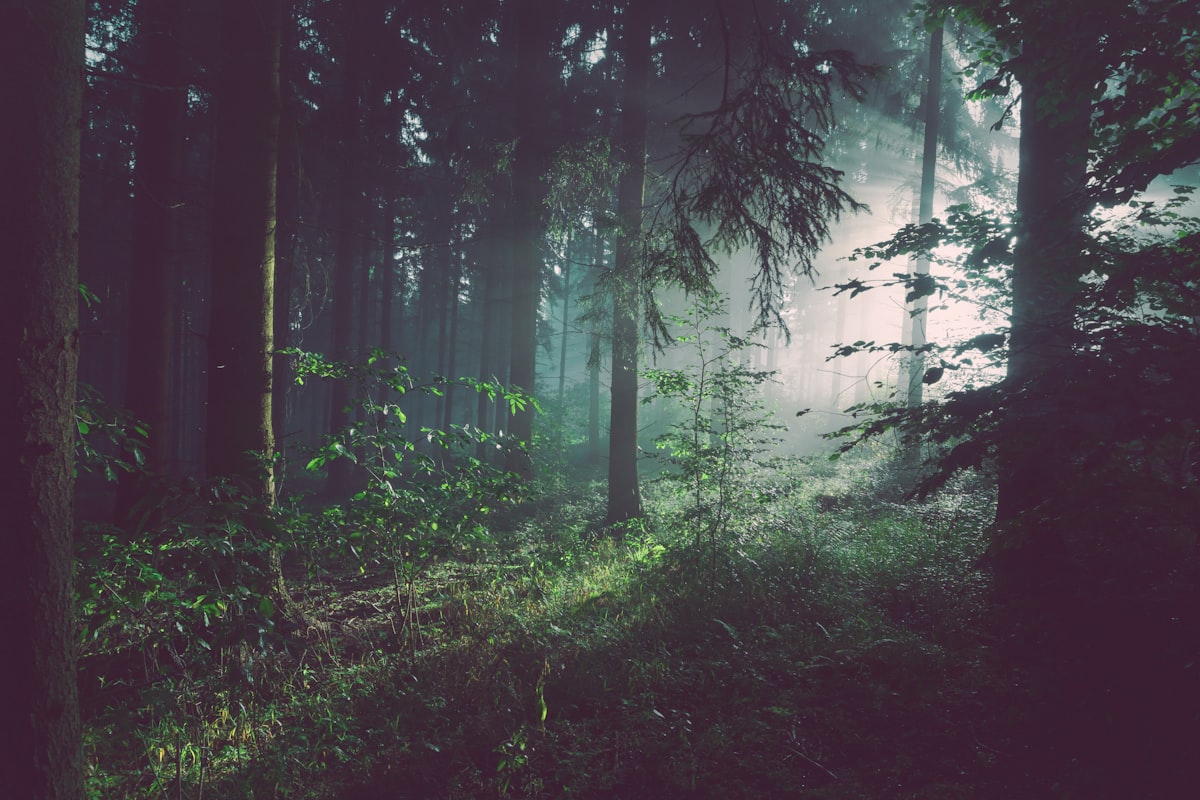
How Natural Light Affects Your Mood and Sleep
Category: Escape
In a world buzzing with screens, artificial lighting, and nonstop schedules, it’s easy to forget one of the simplest yet most powerful tools for well-being: natural light. Yet stepping into sunlight isn’t just a pleasant escape from indoor routines—it’s a biological necessity that profoundly shapes our mood, energy, and sleep. If you’ve ever felt instantly uplifted on a sunny morning or struggled to sleep after a day spent indoors, you’ve experienced this firsthand. Let’s explore how natural light works its quiet magic—and how you can harness it to escape fatigue, stress, and restless nights.
The Science of Sunlight and Serotonin
Natural light doesn’t just brighten a room—it brightens your mind. When sunlight hits your eyes, it triggers a cascade of neurological signals that boost the production of serotonin, a neurotransmitter linked to feelings of calm, focus, and happiness. This is why seasonal affective disorder (SAD), a type of depression that worsens in darker months, often improves with light therapy or increased sun exposure.
Even on cloudy days, outdoor light intensity far exceeds that of most indoor lighting. A typical overcast day delivers about 1,000 lux (a measure of light intensity), while offices and homes often hover around 300–500 lux—far below what our circadian biology expects.
Your Internal Clock: The Circadian Rhythm
Your body runs on a 24-hour internal clock known as the circadian rhythm, and light is its primary timekeeper. Exposure to natural light—especially in the morning—helps synchronize this rhythm, signaling to your brain: “It’s daytime. Be alert.” This suppresses melatonin (the sleep hormone) during the day and allows it to rise naturally at night, promoting deep, restorative sleep.
Without sufficient daylight cues, your circadian rhythm can drift, leading to:
- Difficulty falling asleep
- Poor sleep quality
- Daytime fatigue
- Mood swings or irritability
Think of natural light as a daily reset button for your internal clock—a gentle, natural escape from the disorientation of modern life.
Mood Boost Beyond Vitamin D
While vitamin D synthesis (triggered by UVB rays) is a well-known benefit of sun exposure, the mood-enhancing effects of light go far beyond this. Studies show that even brief exposure to bright natural light can reduce symptoms of anxiety and depression, improve cognitive performance, and increase feelings of vitality.
In fact, researchers have found that people who work near windows report better sleep, more physical activity, and higher quality of life compared to those in windowless environments. It’s not just about seeing the sky—it’s about letting the sky see you.
How to Invite More Natural Light Into Your Life
You don’t need to move to a sunny coast or quit your job to reap the benefits. Small, intentional shifts can make a big difference:
Start Your Day with Light
Open your curtains as soon as you wake. Step outside for 5–10 minutes within an hour of sunrise—no sunglasses (to allow light to reach your retina), but avoid staring directly at the sun.Work Near a Window
If possible, position your desk within 10 feet of a window. If that’s not feasible, take short breaks outside or near a glass door.Take Your Breaks Outdoors
Instead of scrolling at your desk, walk outside during lunch. Even a brief walk under trees or beside a building counts—diffuse sunlight still delivers powerful circadian signals.Dim the Lights at Night
Just as morning light energizes you, evening darkness prepares you for sleep. Reduce blue light from screens after sunset, and use warm, dim lighting to support melatonin production.Embrace Seasonal Shifts
In winter, make a point to get outside during midday when light is strongest. In summer, enjoy early mornings or late afternoons to avoid overheating while still gaining light exposure.
The Ultimate Escape: Reconnecting with Nature’s Rhythm
Ultimately, seeking natural light isn’t just about better sleep or a sunnier mood—it’s about returning to a rhythm older than cities, older than electricity. It’s an escape from the artificial, a return to the ancestral pulse of day and night. When you let sunlight guide your wakefulness and darkness welcome your rest, you’re not just improving your health—you’re remembering how to live in harmony with the world.
So tomorrow morning, skip the snooze button and greet the dawn. Let the light wash over your face, fill your eyes, and quiet your mind. You might just find that the best escape isn’t far away—it’s right outside your window.
☀️ Sleep better. Feel lighter. Live brighter—naturally.