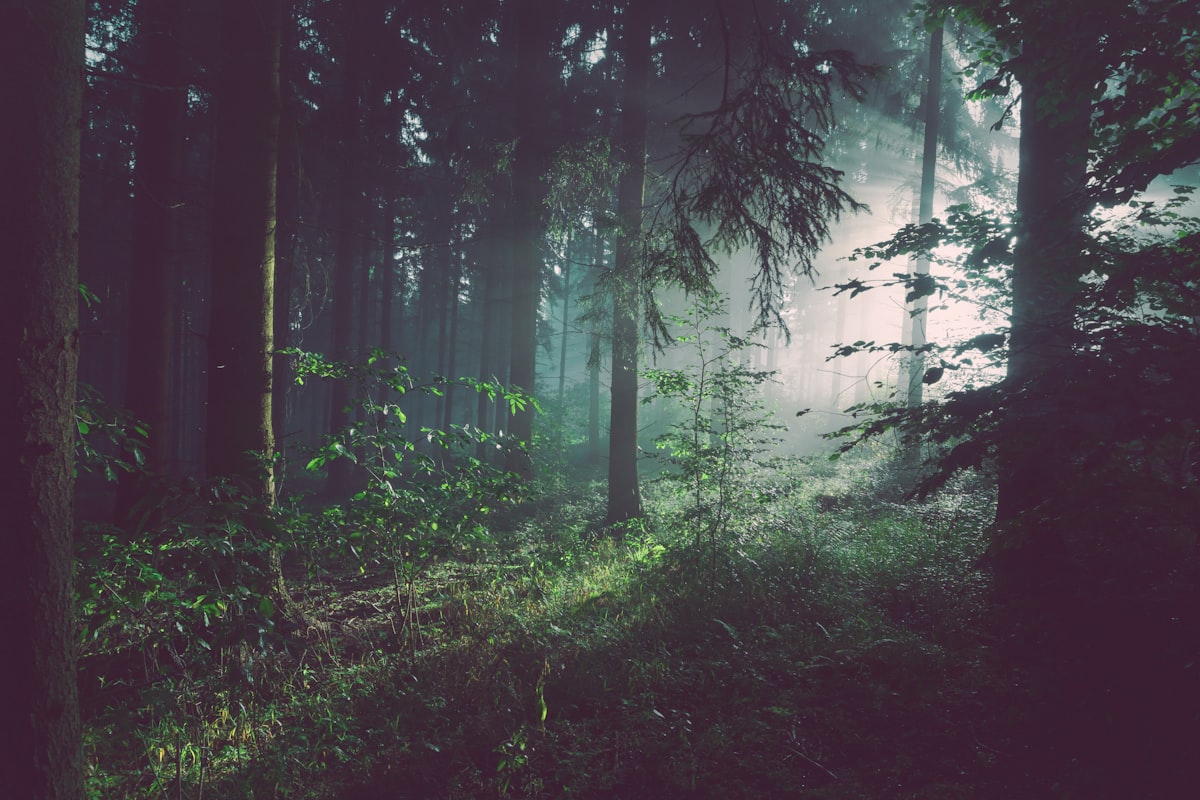
How Gardening Reduces Stress and Improves Mental Health
Category: Escape
In a world that moves at breakneck speed—filled with endless notifications, demanding schedules, and constant pressure to perform—it’s no wonder so many of us feel overwhelmed, anxious, or emotionally drained. We crave escape—not just from our screens, but from the noise inside our own heads. And sometimes, the most powerful antidote isn’t found in a meditation app or a weekend getaway… but in the quiet, earthy rhythm of gardening.
Welcome to your sanctuary: the garden.
Why Gardening Feels Like Therapy (Even If You Don’t Call It That)
You don’t need a green thumb to reap the mental health benefits of gardening. In fact, you don’t even need a backyard. A windowsill herb pot, a balcony planter, or a community plot can become your personal refuge. What matters isn’t the size of your space—it’s the intention behind it.
Gardening engages the senses in a way few other activities do. You feel the cool, damp soil between your fingers. You smell the sharp tang of basil, the sweet perfume of lavender, the rich earthiness after rain. You hear the rustle of leaves, the buzz of bees, the distant chirp of birds. You see color emerge from seed to sprout to bloom—a slow, silent miracle unfolding before your eyes.
This multisensory immersion pulls you gently into the present moment. It’s mindfulness in action—no app required.
The Science Behind the Soil
Research backs what gardeners have known for centuries: digging in the dirt is good for your mind.
- Reduces Cortisol Levels: A 2010 study published in Journal of Health Psychology found that participants who gardened for just 30 minutes had significantly lower cortisol (the stress hormone) than those who read indoors.
- Boosts Mood & Fights Depression: Gardening increases serotonin and dopamine—neurotransmitters linked to happiness and reward. Exposure to Mycobacterium vaccae, a harmless soil bacterium, has even been shown to stimulate serotonin production, acting like a natural antidepressant.
- Improves Attention & Reduces Mental Fatigue: The concept of “attention restoration theory” suggests that nature helps replenish our depleted cognitive resources. Gardening offers “soft fascination”—a gentle, engaging focus that lets the overworked prefrontal cortex rest.
- Builds Resilience & Purpose: Watching something you nurture grow—from seed to harvest—reinforces a sense of agency and accomplishment. In times when life feels chaotic, the garden offers predictability: plant, water, wait, grow. It’s a quiet promise that life continues, even when we feel stuck.
Gardening as a Form of Escape—Not Avoidance
Let’s be clear: gardening isn’t about running away from your problems. It’s about creating a sacred pause—a space where you can breathe, reflect, and reconnect with yourself.
In the garden, there’s no inbox to check, no deadline to meet, no performance to prove. There’s only the slow, steady rhythm of growth. You learn patience. You learn to accept imperfection (yes, that tomato got eaten by slugs—again). You learn to celebrate small wins: the first sprout, the first bloom, the first homegrown salad.
This isn’t escapism as denial. It’s escapism as renewal.
How to Start Your Healing Garden (No Experience Needed)
You don’t need to overhaul your life to begin. Start small:
- Pick One Plant: Try basil, mint, or marigolds—hardy, forgiving, and rewarding.
- Use What You Have: A yogurt cup with drainage holes, a mug, a recycled container—anything that holds soil works.
- Set a Ritual: Water your plant every morning with your coffee. Or sit with it for five minutes before bed. Let it be your anchor.
- Observe, Don’t Judge: Notice changes. Don’t worry if it’s not “perfect.” Growth isn’t linear—and neither is healing.
- Invite Others (Optional): Share cuttings, swap seeds, or join a community garden. Connection amplifies the healing.
The Garden Is Always Waiting
You don’t need to wait for vacation, retirement, or a “someday” to find peace. The garden is here—now—in the cracks of the sidewalk, on your windowsill, in the corner of your yard. It asks nothing of you but your presence.
And in return, it gives you back your breath.
So go ahead. Get your hands dirty. Let the soil remind you: you, too, are growing.
Even when you can’t see it.
Even when you feel stuck.
You are still becoming.
🌱 Your escape is waiting. Dig in. — If this post resonated with you, share it with someone who needs a little green in their life. And if you’ve got a gardening story—how it helped you through a tough time—drop it in the comments. Let’s grow this community, one seed at a time.