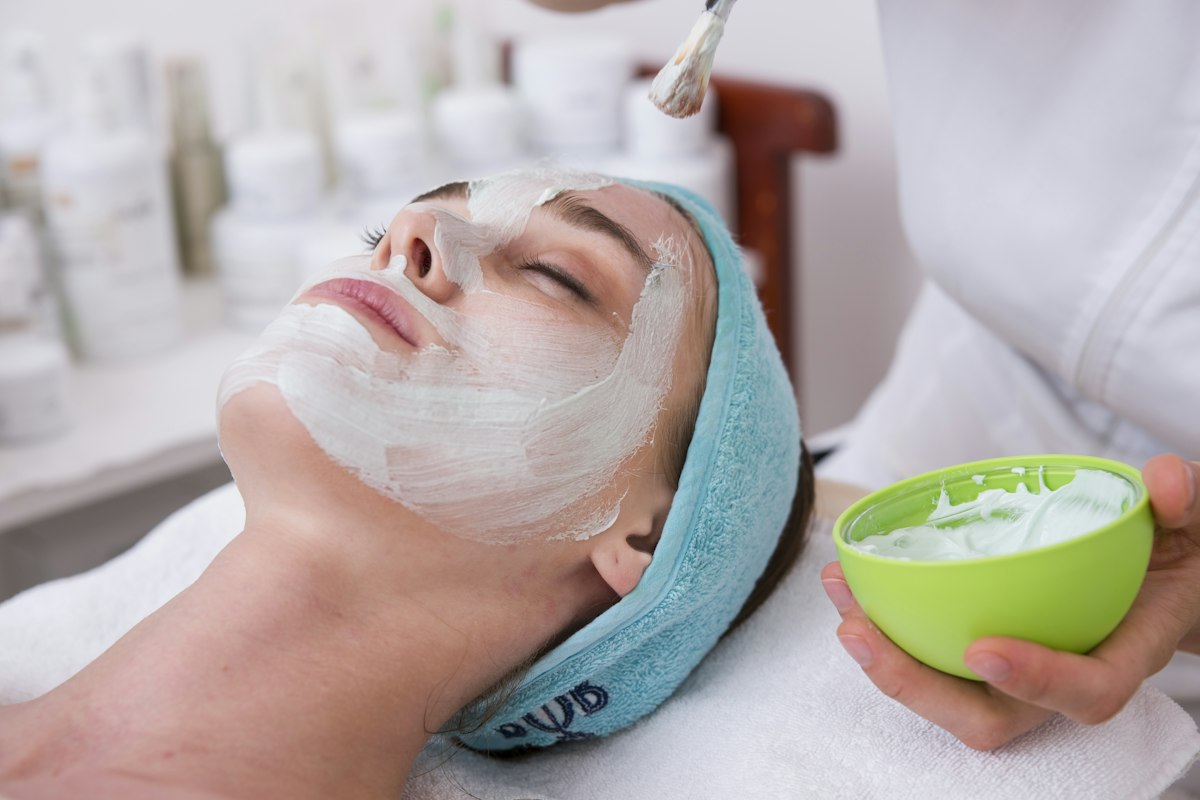
Dermaplaning: What It Is and Is It Worth It?
If you’ve been scrolling through skincare content lately, you’ve likely seen the glossy, glass-skin glow of someone running a tiny blade across their face. No, it’s not a horror movie scene, it’s dermaplaning. This increasingly popular exfoliation treatment has taken the beauty world by storm, promising smoother skin, a brighter complexion, and flawless makeup application. In an era of complex 10 step routines, the appeal of a physical treatment that provides immediate, visible results is hard to ignore. But what exactly is dermaplaning? And more importantly, is it worth the hype and the price tag?
Let’s break it down.
What Is Dermaplaning?
Dermaplaning is a non invasive, manual exfoliation technique performed by a licensed aesthetician or dermatologist. Using a sterile, surgical grade scalpel, the practitioner gently scrapes away the top layer of dead skin cells and fine vellus hair, which is often called peach fuzz, from the face. Unlike a standard facial that might use grainy scrubs, this process uses a precise angle to lift away debris and skin cells that have accumulated on the stratum corneum, which is the outermost layer of the epidermis.
Think of it as a supercharged version of shaving your face, but done with professional precision, strict hygiene, and clinical skill. When a professional performs this, they are not just removing hair, they are effectively performing a physical peel. The result is skin that feels silky smooth, looks more radiant, and absorbs skincare products more effectively because the physical barrier of dead skin has been removed.
The treatment typically takes 20 to 30 minutes, requires no downtime, and is safe for most skin types. However, it is not universal. It is generally avoided for those with active acne, rosacea, or open wounds, as the blade can nick a blemish or spread bacteria across the skin surface.
The Benefits: Why People Love It
Instant Smoothness and Glow
Right after treatment, skin looks noticeably brighter and feels incredibly soft. This happens because the removal of dead skin cells allows light to reflect more evenly off the surface of the face. Makeup goes on like a dream, as there are no dry flakes or fine hairs to catch the pigment. This means no more cakey foundation or patchy concealer, especially around the jawline and upper lip.Better Product Absorption
Your skin acts as a protective shield, but that shield can sometimes be too thick. By removing the barrier of dead skin and fine hair, your expensive serums, moisturizers, and even sunscreen can penetrate deeper into the dermis. This means your hyaluronic acid or vitamin C serum can actually reach the living cells where they are needed most, increasing the overall ROI of your home skincare products.No Chemicals or Lasers
Unlike chemical peels that use acids to dissolve skin bonds or laser treatments that use heat to trigger regeneration, dermaplaning is purely mechanical. There are no acids to cause burning and no heat to risk post inflammatory hyperpigmentation. This makes it a big plus for deeper skin tones who may be prone to darkening after a thermal or chemical injury.Temporary Hair Removal
While it does not permanently remove hair, as it only cuts the hair at the surface, the peach fuzz is gone for about 3 to 4 weeks. This creates a canvas that looks polished and clean, making it a great pre event prep for weddings, photoshoots, or red carpet moments where high definition cameras can pick up every fine hair.Safe for Pregnant and Nursing Individuals
Many women find that their skin becomes hypersensitive during pregnancy, and certain gold standard ingredients like retinoids or salicylic acid are strictly off limits. Since dermaplaning is chemical free, it is often recommended as a safe, effective exfoliation option during pregnancy or breastfeeding to manage the hormonal breakouts or dullness that can occur.
The Downsides: What to Consider
It’s Not Permanent
The results are immediate but temporary, lasting about 3 to 4 weeks. To maintain that signature glow and the lack of vellus hair, you would need regular sessions. Depending on your hair growth cycle, this typically means a visit every month. That adds up in both cost and time spent in a clinic.Cost Can Add Up
Professional skincare is an investment. A single session ranges from 75 to 150 dollars or more depending on your location and the provider. If you opt for monthly treatments, you could be spending 900 to 1,800 dollars per year. For some, this is a justifiable luxury, while for others, it is a steep price for a temporary effect.Risk of Irritation (If Done Poorly)
While rare when performed by a pro, improper technique can cause nicks, redness, or even ingrown hairs. There is also the risk of over exfoliation if you combine dermaplaning with strong at home acids. Never attempt dermaplaning at home with unsterilized tools or cheap razors, as your skin barrier is not worth the risk of infection or scarring.Not for Everyone
Specific skin conditions can make dermaplaning a bad idea. If you have active acne, eczema, psoriasis, or very sensitive skin, the blade may aggravate your condition or cause a flare up. If you have cystic acne, the blade can easily cut the top of a lesion, leading to potential scarring or infection. Always consult a professional first.The Hair Myth: “It Grows Back Thicker”
This is a persistent myth that causes many people to avoid the treatment. Dermaplaning cuts the hair at the surface, it does not affect the follicle deep in the skin, so hair grows back at the same texture and rate. It may feel stubblier as it regrows because the blunt tip of the hair feels coarser than the naturally tapered end, but it is not actually thicker or darker.
So… Is It Worth It?
Yes, if you value instant radiance, smooth makeup application, and a luxurious, spa like experience, and you are willing to invest in the maintenance.
Think of dermaplaning like a high end facial. It is not a miracle cure for aging or acne, but it is an excellent boost to your routine. It is perfect before a big event, a professional photoshoot, or a vacation when you want your skin to look its absolute best without needing a heavy layer of foundation. It provides a level of polish that is difficult to achieve with just a washcloth and cleanser.
But if you are on a tight budget, prefer low maintenance routines, or have highly reactive skin, you might get similar exfoliation benefits from gentler, at home options. Chemical exfoliants like AHAs and BHAs or enzymatic scrubs can remove dead skin cells effectively, just without the instant glass skin wow factor and the removal of fine hairs.
Final Verdict:
Dermaplaning is worth it, for the right person, at the right time. It is not a daily necessity, but as an occasional treat or pre event prep, it is absolutely effective. Just make sure you go to a licensed professional, skip the DIY blades, and listen to your skin. If your skin feels tight or irritated, it is time to take a break.
Your glow up deserves expert hands, not a razor from the drugstore.
Have you tried dermaplaning? Drop your experience in the comments below. I would love to hear if it transformed your routine or if you stuck with your trusty chemical exfoliant.