Botanical Gardens: Why Visiting Them Is Good for You
Category: Escape
In a world that moves at breakneck speed, where screens glow late into the night, deadlines loom, and the hum of urban life rarely quiets, we all need an escape. Not just a vacation, but a true respite: a place where the mind can unwind, the senses can awaken, and the spirit can remember its connection to something deeper. Enter the botanical garden, a living sanctuary tucked into cities and countryside alike, offering far more than just pretty flowers. These spaces serve as curated bridges between our concrete environments and the raw beauty of the natural world, providing a structured yet organic way to reconnect with the earth.
Visiting a botanical garden isn’t just a leisurely stroll among petals and pathways. It’s a quiet act of self-care, backed by science and steeped in serenity. Whether you are seeking a moment of solitude or a gentle way to bond with loved ones, these gardens offer a sanctuary for the modern soul. Here’s why stepping through those wrought-iron gates might be one of the best things you do for your well-being.
1. Nature’s Prescription for Stress Relief
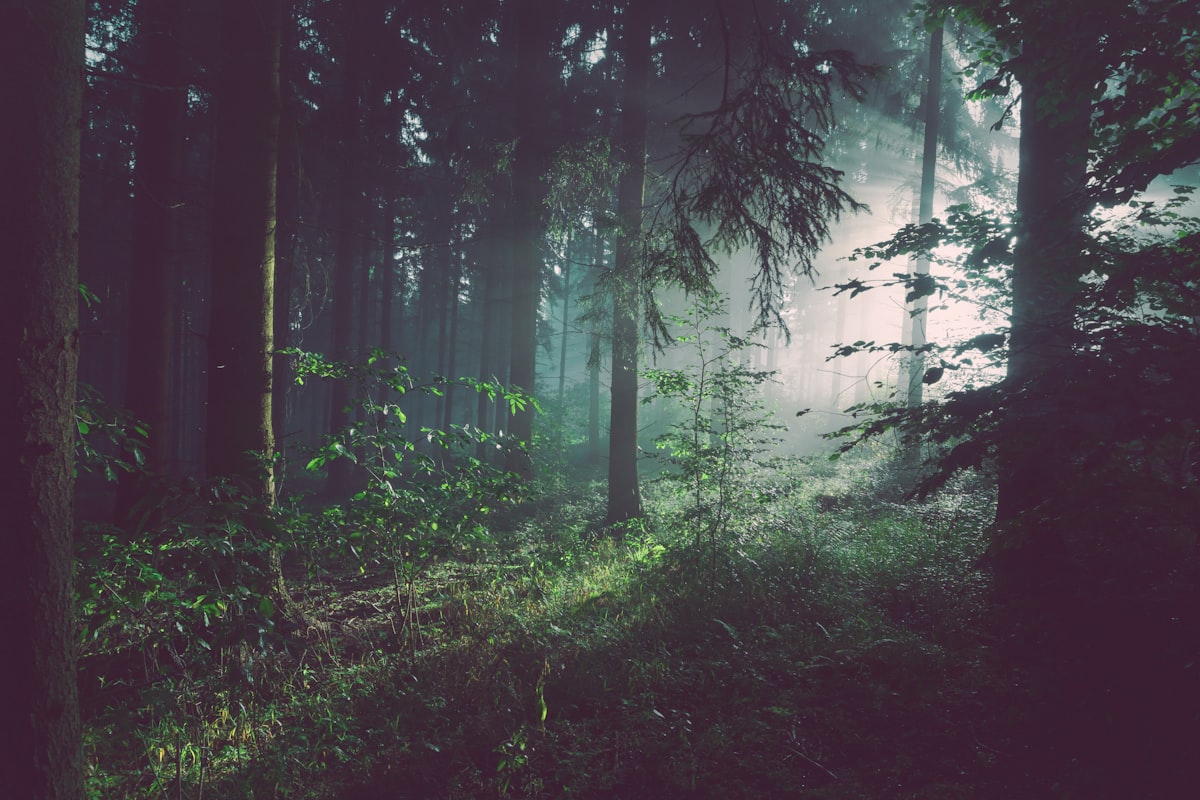
Study after study confirms what poets and gardeners have long known: time in nature lowers cortisol, the body’s primary stress hormone. When we are trapped in high-stress environments, our sympathetic nervous system remains in a state of high alert. Botanical gardens, with their curated landscapes, shaded groves, and the gentle sound of water features, are designed to induce calm and trigger the parasympathetic nervous system, which helps the body relax and recover. Unlike a wild forest that might require navigation or physical endurance, these spaces invite you to be, to wander slowly, breathe deeply, and let your nervous system reset.
The Japanese practice of shinrin-yoku, or “forest bathing,” finds a perfect counterpart in the botanical garden. This practice is not about exercise, but about immersion. You don’t need to hike miles to reap the benefits; even 20 minutes among greenery can reduce anxiety, lower blood pressure, and improve overall mood. To maximize this effect, try a mindful walking practice. Focus on the feeling of your feet hitting the gravel or the way the air cools as you enter a canopy of ancient trees. By consciously slowing your pace, you signal to your brain that you are safe, allowing the mental noise of the work week to fade into the background.
2. A Feast for the Senses
Botanical gardens engage all five senses in a way few other places can, creating a holistic experience that grounds the visitor. You see the vibrant hues of tulips in spring or the fiery maples of autumn, which provide a visual richness that stimulates creativity. You smell the sweet perfume of roses, the earthy scent of damp soil after rain, or the sharp citrus of a kumquat tree. These scents, particularly the phytoncides released by plants, are known to boost immune function and improve mood. You hear birdsong, rustling leaves, and the trickle of fountains, sounds that act as a natural soundtrack to tranquility.
You might even taste something, as many gardens feature edible plant collections or host seasonal tastings of herbal teas and local honey. And touch? Running your fingers over velvety lamb’s ear or the rough, corrugated bark of an ancient oak grounds you in the present moment. This sensory richness pulls you out of your head and into your body, which is a powerful antidote to overthinking and digital fatigue. When we focus on the physical texture of a leaf or the specific shade of a petal, we practice a form of mindfulness that interrupts the loop of stressful thoughts.
3. Inspiration That Grows on You
Whether you’re an artist, a writer, a gardener, or simply someone seeking fresh ideas, botanical gardens are wellsprings of inspiration. Nature is the ultimate architect, and its designs provide endless lessons in efficiency and beauty. The intricate patterns of a fern unfurling, the perfect symmetry of a lotus bloom, and the way light filters through a canopy are nature’s designs, refined over millennia. Many visitors leave with a sketchbook full of ideas, a new plant to try at home, or simply a renewed sense of wonder about the complexity of life.
For children, these spaces are living classrooms where they can learn about pollination, seed dispersal, and the changing seasons through direct observation. For adults, they are reminders that beauty and complexity exist in slow, patient growth. In a culture obsessed with instant gratification and overnight success, watching a slow-growing cedar or a patient orchid bloom is a poignant lesson in patience. It reminds us that some of the most rewarding things in life cannot be rushed, and that there is a distinct grace in following a natural rhythm rather than a digital clock.
4. Movement Without the Grind
Let’s be honest: not everyone loves the gym. The sterile environment of a weight room or the repetitive motion of a treadmill can often feel like another chore on a long list of obligations. But walking through a botanical garden feels less like exercise and more like exploration. Yet you’re still getting steps in, improving circulation, and boosting endorphins, all without the pressure of a timer or a heart-rate monitor.
The paths are usually gentle, benches are plentiful for moments of reflection, and you can go at your own pace. This form of low-impact steady state exercise is excellent for cardiovascular health and joint mobility. Because the environment is visually stimulating, you may find yourself walking several miles without ever feeling the exertion. It is fitness disguised as pleasure, allowing you to achieve physical health goals while simultaneously nourishing your mental health. It turns a workout into a wander, and a chore into a journey of discovery.
5. A Sense of Belonging to Something Larger
In the midst of a botanical garden, you’re reminded that you’re part of an intricate web of life. Seeing rare orchids from distant continents, ancient trees that lived through previous centuries, or pollinators at work fosters a quiet humility and connection. This sense of interconnectedness can be deeply grounding, especially when life feels fragmented, isolating, or overwhelmingly focused on individual achievement.
Many gardens also emphasize conservation and education, giving visitors a chance to learn about biodiversity, climate resilience, and how to protect the natural world. By learning about the endangered species kept within the garden walls, you turn a personal escape into a meaningful act of stewardship. This shift in perspective, from the self to the global ecosystem, helps reduce feelings of loneliness and provides a sense of purpose. You realize that you are not just an observer of nature, but a participant in its survival and flourishing.
6. Accessible Escape, No Passport Required
Unlike a trip to a remote island or a mountain retreat, botanical gardens are often right in your backyard or a short drive away. They provide an immediate exit strategy from the pressures of urban living. Many cities boast world-class gardens, such as Kew in London, the Brooklyn Botanic Garden, or Singapore’s Gardens by the Bay, and even smaller towns often have hidden green gems or community conservatories.
These destinations are affordable, often free or low-cost, and open year-round. Each season offers a new face, meaning you can visit the same garden four times a year and have four entirely different experiences. From the stark, sculptural beauty of a winter garden to the explosive colors of a spring bloom, these spaces offer a consistent source of renewal. They prove that you do not need a plane ticket or a large budget to find peace. True restoration is often just a few miles away, waiting behind a quiet gate.
Final Thought: Go Slow, Stay Awhile
The next time you feel overwhelmed, distracted, or simply in need of a breath of fresh air, consider skipping the scrolling and heading to your nearest botanical garden. Bring a notebook, a sketchpad, or just yourself. Walk without a specific destination. Let the colors, scents, and stillness work their quiet magic on your mind and body.
You won’t just see plants. You’ll remember how to be. And sometimes, that is the most restorative escape of all. 🌿
Have a favorite botanical garden? Share your escape story in the comments below.