Best Scenic Day Trips for Stress Relief
Category: Escape
In a world that never stops buzzing, emails pinging, deadlines looming, and screens glowing, sometimes the most radical act of self-care is simply stepping away. You do not need a week long vacation or a passport to reset your mind. Often, the antidote to stress is just a scenic drive, a winding trail, or a quiet lakeside bench within a few hours’ drive of home. When we remain trapped in our daily routines, our brains operate in a state of high alertness, constantly scanning for the next task or problem to solve. This chronic state of arousal can lead to burnout and mental fatigue.
Here are some of the best scenic day trips designed not just to see beauty, but to feel it. To breathe deeper. To let your shoulders drop. To escape, without going far.
1. The Coastal Cliff Walk: Big Sur, California (or Your Local Equivalent)
If you live near the ocean, seek out a rugged coastline where the land meets the sea in dramatic fashion. Big Sur’s Highway 1 offers jaw dropping vistas of turquoise water crashing against ancient cliffs, redwoods clinging to slopes, and fog rolling in like a slow exhale. Even if you are not in California, find your version. You might explore the moody, mist covered shores of the Oregon Coast, the granite peaks and saltwater marshes of Maine’s Acadia, or the sprawling, sandy stretches of the Outer Banks of North Carolina.
Why it works: The rhythmic sound of waves, the vastness of the horizon, and the salt laden air trigger a primal sense of calm. This is often linked to the concept of "soft fascination," where the environment captures your attention without requiring the intense, focused effort that your job demands. Walk slowly. Stop often. Engage your senses by feeling the cool breeze on your skin or smelling the brine of the tide. Let the ocean remind you that you are small, and that is okay. In the face of the Atlantic or Pacific, the deadlines that felt monumental this morning suddenly seem manageable.
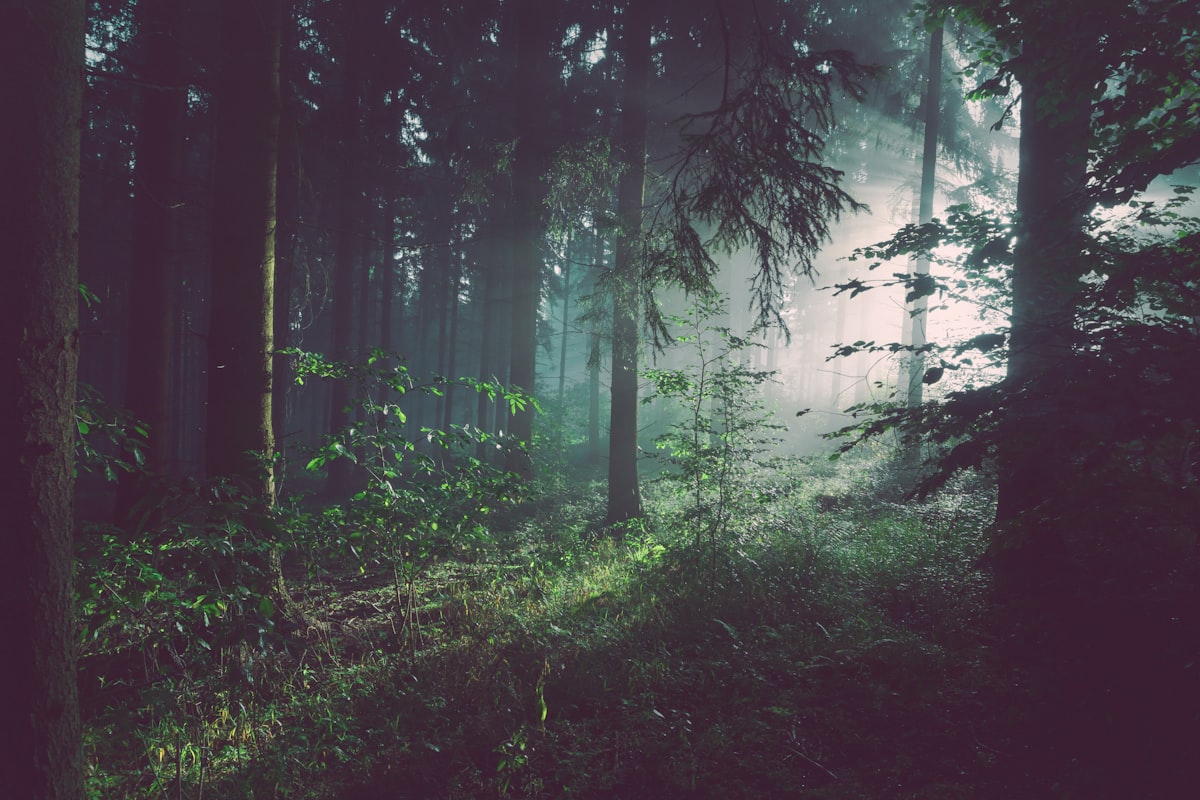
2. Forest Immersion: A Hidden Grove or State Park
Forests are nature’s therapy chambers. Look for a state park with old growth trees, moss covered trails, and minimal crowds. Consider the rolling vistas of Shenandoah in Virginia, the ancient, mist shrouded peaks of the Great Smoky Mountains on a weekday, or the lush, emerald canopy of the Hoh Rainforest in Washington. To maximize the effect, look for trails that lead to a natural feature, such as a hidden waterfall or a creek, which provides a focal point for your meditation.
Why it works: Studies show “forest bathing,” known as shinrin yoku in Japan, lowers cortisol, reduces blood pressure, and boosts mood. Trees emit organic compounds called phytoncides, which are essential oils that protect plants from insects. When we inhale these, our bodies respond by increasing the activity of natural killer cells, effectively boosting our immune system. The green canopy filters light into a soft, meditative glow. The scent of pine and damp earth is nature’s aromatherapy. Try a sensory walk where you spend ten minutes focusing only on the sounds of the wind in the leaves or the texture of the bark on a cedar tree.
3. Lakeside Serenity: Mirror Waters and Mountain Reflections
Find a quiet lake where the water is so still it doubles the sky. Places like Lake Tahoe in Nevada and California, Lake Placid in New York, or even a lesser known reservoir in your local state park system can offer this magic. Look for spots that allow you to get close to the water's edge, whether via a sandy beach or a weathered wooden pier.
Why it works: Water has a psychological effect known as “blue mind,” a mildly meditative state characterized by calm, peacefulness, and unity. When we are near still water, our brains shift away from the analytical, frantic processing of urban life and move toward a more reflective state. Sit on a dock and let your legs dangle over the edge. Skip a stone across the surface. Watch the light dance on the ripples. Let your thoughts ripple out and fade, imagining that each wave is carrying away a piece of your anxiety. The symmetry of a mountain reflected in a still lake provides a sense of balance and order that is often missing in our chaotic professional lives.
4. Mountain Overlook: Drive Up, Breathe Out
You do not need to summit a peak to feel the power of elevation. Many mountain ranges have scenic drives with overlooks that require little more than a short walk from the parking lot. Think of the breathtaking altitudes of Trail Ridge Road in Rocky Mountain National Park, the winding, autumnal beauty of the Blue Ridge Parkway, or the steep, exhilarating climb of the Mount Washington Auto Road if you are feeling adventurous.
Why it works: Height brings perspective, both literally and figuratively. When you are above the tree line, the world spreads out below, and the physical distance from your home and office creates a psychological distance from your stress. Problems shrink, and your mind clears. The thin, crisp air acts as a natural stimulant for clarity, forcing you to breathe more consciously. Spend a few moments practicing "box breathing" at the summit, inhaling for four counts, holding for four, and exhaling for four. The combination of the expansive view and controlled breathing helps reset the nervous system.
5. River Valley Wander: Follow the Water’s Path
Rivers carve calm through chaos. A leisurely drive or bike ride along a scenic river valley, like the Hudson River Valley, the Columbia River Gorge, or the Mississippi’s bluffs, offers shifting light, gentle sounds, and a sense of continual, soothing motion. River valleys often provide a variety of landscapes, from dense woodlands to open meadows, ensuring that the scenery remains engaging without being overwhelming.
Why it works: Water in motion symbolizes flow. Following a river reminds us to go with the current, not fight it. This serves as a powerful metaphor for letting go of things we cannot control. Stop at a riverside café for a slow tea, dip your toes in the cool current, or simply listen to the gurgle of the water over smooth stones. The white noise produced by a flowing river is naturally soothing and helps to quiet the internal monologue of worry. Let the rhythm reset your inner pace, reminding you that life, like the river, continues to move forward.
Tips for a Truly Restorative Day Trip
- Leave the agenda behind. No need to “see everything” or hit every tourist landmark. The goal is restoration, not sightseeing. Let curiosity guide you and allow yourself to be spontaneous.
- Unplug, or limit it. Use your phone for essential photos and maps, then put it away in the glove box. Constant notifications are the enemy of peace. Be fully present in the physical world.
- Pack mindfully. Bring a large bottle of water, healthy snacks like nuts and fruit, a thick blanket for lounging, and a journal. Maybe bring a physical book you have been meaning to read for months.
- Go mid week if you can. Fewer crowds equals deeper peace. The silence of a Tuesday morning in nature is far more healing than a crowded Saturday afternoon.
- Listen to your body. If you feel like sitting for an hour and staring at a tree, sit. If you want to hike three miles, walk. There are no rules or quotas for your relaxation.
The best escapes are not always far away. Sometimes, they are just beyond the next bend in the road, a hidden trail, a quiet cove, or a hilltop where the wind sings. Stress does not vanish because we ignore it. It fades when we make space for stillness, beauty, and the quiet reminder that we are part of something vast, ancient, and deeply calming.
So this weekend, pick a direction. Drive until the scenery makes you pause. Then stay awhile. Your mind will thank you.
Escape isn’t running away. It’s coming home to yourself.