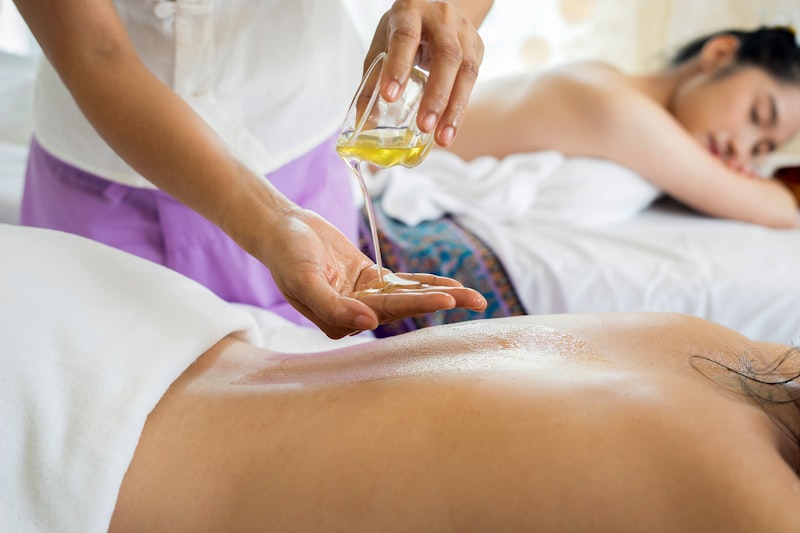
Best Massage Therapy in Virginia
Whether you're a wellness enthusiast or someone experiencing muscle tension for the first time, massage therapy offers remarkable benefits for both body and mind. Virginia's diverse landscape and vibrant communities mean you have access to exceptional massage therapy options, from intimate local studios to full-service wellness centers. In a fast paced world where stress often manifests as physical pain, finding a dedicated space for healing is essential. If you're ready to explore what massage can do for your well-being, this guide will help you understand what to expect and how to find the right therapist for your needs.
Understanding Your Massage Options
Virginia's massage therapy scene offers a wonderful variety of modalities to suit different needs and preferences. Swedish massage, the most common style, uses long gliding strokes to promote relaxation and improve circulation. This approach is ideal for those who are new to massage or those who simply need to lower their cortisol levels after a demanding work week. By increasing oxygen flow in the blood and decreasing muscle rigidity, Swedish massage helps the body enter a state of deep calm.
Deep tissue massage targets deeper muscle layers and works beautifully for chronic tension or athletic recovery. This technique involves slower strokes and more intense pressure to reach the inner layers of your muscles and connective tissues. It is particularly effective for people dealing with chronic aches, such as a stiff neck or lower back pain, as it helps break up scar tissue and releases deep seated tension.
If you're looking for something more specialized, you might explore hot stone massage, sports massage, or therapeutic massage designed for specific conditions. Hot stone therapy uses heated basalt stones as extensions of the therapist's hands, allowing heat to penetrate deep into the muscles for an enhanced sense of relaxation. Sports massage, on the other hand, focuses on specific muscle groups used in your favorite activities, whether you are training for a marathon in Northern Virginia or hiking the Appalachian Trail. Therapeutic massage often focuses on medical needs, such as lymphatic drainage or trigger point therapy, to address specific physiological imbalances.
When choosing a massage style, consider what you hope to achieve. Are you seeking stress relief, pain management, athletic recovery, or simply a moment of peaceful self-care? Your goals will guide you toward the right therapist. Don't hesitate to ask questions when booking. A knowledgeable spa or studio will help match you with a therapist whose expertise aligns with your needs. For example, a therapist specializing in myofascial release may be better for chronic injuries, while a relaxation specialist is perfect for a mental reset.
What to Expect Your First Time
Walking into a massage appointment for the first time can feel a bit unfamiliar, but the process is straightforward and designed for your comfort. Expect to arrive 10 to 15 minutes early to complete a brief intake form. This gives your therapist important information about your health history, current pain points, and any areas you'd prefer they focus on or avoid. This form is a critical tool for safety. It allows the therapist to know if you have high blood pressure, allergies to certain oils, or recent surgeries that require a gentle touch.
During your appointment, you'll typically undress to your comfort level and rest under soft sheets or blankets. Your therapist will only undrape the area they're actively working on, ensuring your privacy throughout the session. This technique, known as draping, is a professional standard that keeps you warm and secure. Sessions usually last 50 to 90 minutes, with 60 minutes being the most popular choice. However, if you have multiple problem areas, a 90 minute session allows for a more thorough treatment without feeling rushed.
Communication is key during the actual massage. If pressure feels too intense, too light, or if you need to adjust the room temperature or music, simply speak up. A quality therapist wants you to feel completely comfortable and will appreciate your feedback to tailor the session to your body. Remember that some deep tissue work can be slightly uncomfortable, but it should never be painful. If you feel a sharp pain, notify your therapist immediately.
First-time pricing in Virginia typically ranges from $60 to $120 for a 60-minute session, depending on location and the spa or studio's experience level. In higher cost of living areas like Arlington or Alexandria, prices may lean toward the higher end of this spectrum. Many wellness venues offer introductory rates or package deals for first-time clients, so asking about these options when you call can stretch your wellness budget further. Some studios also provide a complimentary consultation to ensure the modality is a good fit before you commit to a full session.
Finding Your Perfect Virginia Wellness Venue
Virginia offers massage therapy across all regions, whether you're in Northern Virginia's bustling suburbs, the cultural centers of Richmond and Virginia Beach, or the peaceful Blue Ridge Mountain communities. Urban wellness centers often provide additional amenities like saunas, meditation rooms, or access to other services like acupuncture and yoga. These centers are excellent for those who want a comprehensive health day where they can transition from a physical workout to a relaxing massage. Smaller independent studios might offer a more personalized, intimate experience, where the therapist takes a deeper dive into your personal wellness journey over several visits.
When researching venues, look for these important markers of quality:
- Licensed massage therapists (LMT or LMBT credentials) ensuring they have met state education and safety standards.
- Positive client reviews mentioning cleanliness and professionalism, which indicates a high standard of hygiene.
- Clear communication via phone or email before booking, showing that the business values client experience.
- Flexible scheduling options that accommodate working professionals.
- Transparent pricing with no surprise fees, such as hidden membership requirements or unexpected service charges.
Reading reviews specifically can teach you a lot. Pay attention to comments about how the therapist handled intake conversations and whether clients felt heard and respected. Look for mentions of the environment, such as the lighting, the scent of the room, and the noise levels. These details reflect the professionalism and the atmosphere you can expect. If a review mentions that a therapist took the time to explain why they were using a certain technique, it is a sign of a high quality provider.
Making Massage Part of Your Wellness Routine
Many people discover that regular massage becomes part of their self-care practice. Monthly or bi-weekly sessions can help maintain muscle health, manage stress, and provide consistent wellness support. While a single session provides immediate relief, a series of treatments allows a therapist to track your progress and address chronic patterns of tension that take longer to resolve. If regular sessions fit your budget and schedule, ask about membership packages or loyalty programs, which can offer significant savings and encourage a consistent health routine.
Remember that massage therapy is most effective when combined with other wellness practices. Staying hydrated is essential after a session, as water helps flush out the metabolic waste released from the muscles. Stretching regularly and managing stress through meditation or exercise enhance the benefits you'll experience, keeping your muscles limber between appointments. Consider keeping a wellness journal to track how you feel after different modalities, which can help you communicate more effectively with your therapist during your next visit.
You deserve to prioritize your physical and mental well-being. Massage therapy is a powerful tool for self-care that honors your body and supports your health. Whether you are dealing with the pressures of a corporate career or the physical demands of an active lifestyle, taking an hour for yourself can change the trajectory of your entire week. Start exploring options in your area and take that first step toward better wellness today.
Find a massage therapy venue near you at selfcaremap.com/category/relax