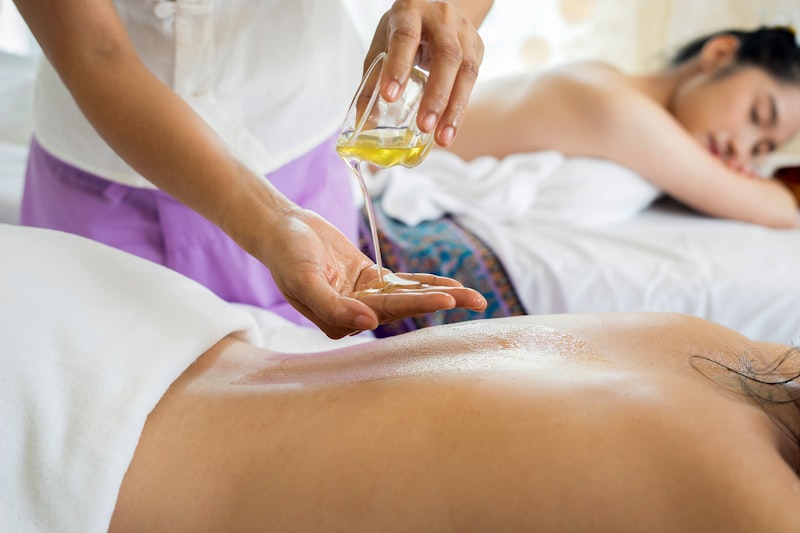
Best Massage Therapy Near San Francisco
If you're living in or visiting the San Francisco Bay Area and feeling the weight of stress in your shoulders, neck, and lower back, you're not alone. The fast paced tech culture, long commutes through heavy traffic, and demanding work schedules can leave your body crying out for relief. Many residents find that the physical manifestation of stress often settles in the upper trapezius muscles and the lower lumbar region, leading to tension headaches or limited mobility. Massage therapy offers a scientifically proven way to release this tension, improve circulation, and restore your sense of wellbeing. By manipulating the soft tissues of the body, a skilled therapist can lower cortisol levels and trigger the release of endorphins, which are the body's natural painkillers. Whether you're a first timer or a regular massage enthusiast, finding the right therapist and style of massage near San Francisco can transform how you feel both physically and mentally.
Understanding Your Massage Options
San Francisco's wellness scene offers incredible variety when it comes to massage therapy styles. Because the city attracts a mix of high performance athletes, corporate professionals, and holistic health seekers, the available modalities are extensive. Before you book, it helps to understand what each type offers so you can align your choice with your specific goals:
- Swedish massage uses long, flowing strokes and is perfect if you're new to massage or prefer a gentler experience. This technique focuses on the topmost layer of muscles to increase oxygen flow in the blood and release toxins from the muscles. It's excellent for overall relaxation and improving circulation.
- Deep tissue massage targets deeper muscle layers and works well if you have chronic tension or specific problem areas, such as a stiff neck from staring at a computer screen all day. It uses slower strokes and deeper finger pressure to break up scar tissue and chronic muscle contractions. It can feel intense but is incredibly effective for long term pain relief.
- Sports massage focuses on athletes or active individuals, addressing muscle groups used in exercise and helping prevent injuries. This may include pre event stretching to prepare the body or post event recovery work to reduce inflammation and soreness.
- Shiatsu and acupressure draw from Eastern traditions and work with your body's energy meridians for holistic healing. Rather than using oils, these techniques often involve rhythmic pressure on specific points of the body to balance energy flow and relieve stress.
- Hot stone massage combines warmth with skilled hands to ease muscle tension naturally. The heat from the stones allows the therapist to penetrate deeper into the muscle tissue without needing to apply as much forceful pressure, making it a great choice for those who want deep relief but have a low pain tolerance.
What to Expect on Your First Visit
Walking into a massage studio for the first time can feel unfamiliar, but knowing what to expect helps you relax into the experience. When you arrive, you'll typically fill out a brief health intake form asking about injuries, medications, and areas of concern. This conversation is crucial because it helps your therapist customize the session to your needs. For example, if you have a history of lower back disc issues or a recent ankle sprain, the therapist will avoid those areas or use a more cautious approach to ensure your safety.
You'll then be guided to a private room where your therapist will leave you to undress to your comfort level. Usually you keep underwear on, but the level of dress is entirely up to you. The therapist only undrapes the area being worked on, using sheets or towels to ensure you remain covered and warm throughout your session. Most massages last 50 minutes to an hour, though 90 minute sessions are available if you want deeper work or want to focus on multiple areas like both the feet and the shoulders.
Communication is your superpower during a massage. Your therapist cannot know exactly how your muscles feel without your input. If pressure feels too firm or too light, speak up immediately. If you need to adjust your position, feel a draft from the air conditioner, or have an itch, let your therapist know. They are trained to accommodate these requests. The best sessions happen when you're honest about what feels good, as this allows the therapist to calibrate their technique to your specific anatomy.
Pricing and Finding Your Budget Sweet Spot
Massage therapy near San Francisco ranges in price depending on location, therapist experience, and venue type. Because the Bay Area has a high cost of living, prices can vary significantly between a boutique studio in the Mission District and a high end spa in Nob Hill. Generally, you can expect:
- Independent therapists or community studios typically charge $60 to $100 per hour. These are often great for those who want a personalized, low pressure environment and are focused on therapeutic results over luxury amenities.
- Mid range wellness centers run $100 to $150 per hour. These venues often provide a more curated atmosphere with amenities like heated tables, calming music, and professional reception staff.
- Upscale spas and luxury venues may charge $150 to $250 or more per hour. These experiences usually include extras such as steam rooms, aromatherapy, and luxury linens.
Many studios offer package deals if you commit to multiple sessions, such as a buy five get one free offer. Some wellness centers include massage as part of monthly membership plans, which can lower the per session cost. First time client discounts are common, so don't hesitate to ask when you call or book online. Keep in mind that price doesn't always equal quality. A highly skilled therapist at a modest studio can deliver better clinical results than an expensive therapist who isn't the right fit for your body type or goals.
Making Massage a Regular Practice
The benefits of massage therapy increase with consistency. While a single session feels wonderful, regular massage creates cumulative benefits. When you visit a therapist once a month, you prevent tension from building up into chronic knots, which means each subsequent session requires less intense work to achieve the same level of relief. This consistency leads to improved posture, reduced chronic pain, better sleep quality, and enhanced immune function by lowering systemic stress. Consider starting with monthly sessions and adjusting frequency based on your budget and physical needs.
After your massage, drink plenty of water to help flush toxins and metabolic waste released during the session. Hydration is key to preventing the lightheadedness or fatigue that some people experience after a deep tissue session. You might feel slightly sore the next day, similar to how muscles feel after exercise, which is completely normal. This is often a sign that the therapist has successfully released deep adhesions in the muscle. Some people feel energized and refreshed, while others feel deeply relaxed and sleepy. Both responses indicate the massage is doing its job by shifting your nervous system from a fight or flight state into a rest and digest state.
The San Francisco Bay Area's diverse wellness community means you have excellent options for finding a massage experience that aligns with your goals, budget, and preferences. Whether you're seeking stress relief, pain management, or simply a moment of peace in your busy life, massage therapy is an investment in your health that truly pays dividends.
Ready to book your first session? Find vetted massage therapists and wellness venues in your area at SelfCareMap.com. Visit selfcaremap.com/category/relax to discover the perfect massage therapy match near you.