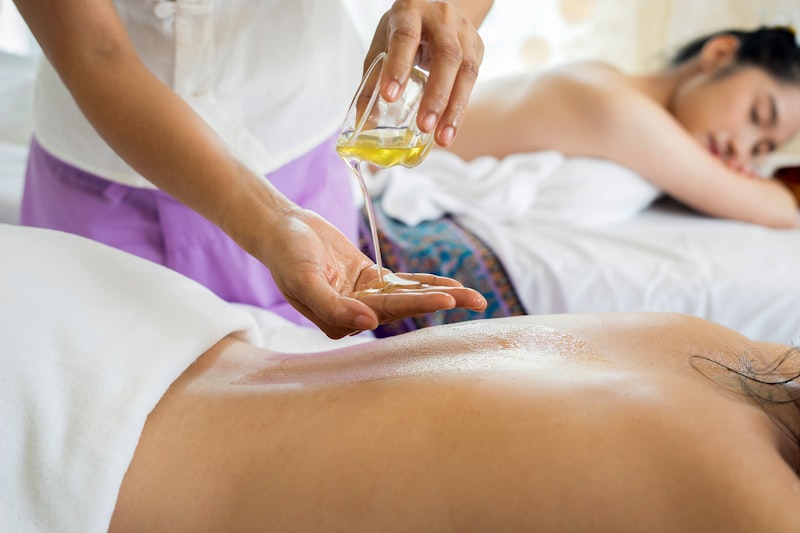
Best Massage Therapy in Massachusetts
Discovering the right massage therapy experience can transform your wellness routine. Whether you are dealing with chronic tension, recovering from physical activity, or simply seeking a moment of deep relaxation, Massachusetts offers exceptional massage therapy options across the state. From the coastal towns of Cape Cod to the bustling urban centers of Boston, you will find skilled therapists ready to help you reconnect with your body and ease stress. This guide will help you navigate the world of therapeutic massage and find the perfect fit for your wellness goals, ensuring that every session contributes to your long term health and vitality.
Understanding Massage Therapy Types and What to Expect
Before booking your first appointment, it helps to know what different massage styles offer so you can match the technique to your specific needs. Swedish massage is an excellent starting point for beginners, using long, flowing strokes and kneading techniques to promote relaxation and improve circulation. This style is particularly effective for reducing cortisol levels and improving sleep quality. You can expect to pay between $60 and $100 for a 60 minute session depending on the practitioner's experience. Deep tissue massage targets muscle tension more intensively by applying firm pressure to reach deeper layers of muscle and fascia. This works well if you have specific areas of tightness, chronic pain, or postural imbalances, though it can be more intense than a Swedish massage. This typically runs $75 to $130 per hour.
Other popular options include hot stone massage, which uses heated basalt stones to melt away muscle tension and provide a soothing, warming sensation ($80 to $120 per session). This is often recommended for those who struggle to relax or have stiff joints. Similarly, sports massage is ideal if you are an athlete or regularly exercise. It focuses on preventing injuries and improving flexibility through a combination of stretching and targeted pressure ($70 to $120). Massachusetts also has therapists specializing in trigger point therapy, which targets specific knots of tension, and myofascial release, which focuses on the connective tissue to restore mobility and alleviate restricted movement.
During your first visit, arrive 10 to 15 minutes early to complete intake forms. These documents are vital as they provide a medical history and a map of your problem areas. Communication is key during the actual session. Do not hesitate to tell your therapist about any injuries, areas of sensitivity, or pressure preferences. If the pressure is too light or feels uncomfortable, a simple request for an adjustment ensures the treatment remains therapeutic. Most massage experiences end with a few minutes of quiet time to let your body integrate the benefits and allow you to wake up slowly before returning to your day.
Finding Quality Massage Therapy Throughout Massachusetts
The state's varied geography means you have diverse options whether you are in western Massachusetts, the North Shore, or southeastern areas. Boston and surrounding urban areas host both independent practitioners and large wellness centers offering convenient scheduling and diverse specialties. In these city centers, you will find a high concentration of medical massage therapists who work alongside chiropractors or physical therapists. Prices tend to be slightly higher in metropolitan regions, but you will benefit from competitive options, cutting edge techniques, and extensive availability.
Coastal communities like Cape Cod and Martha's Vineyard attract wellness tourists and have established spa facilities with oceanside settings. These venues often combine massage with other luxury treatments, such as salt scrubs or aromatherapy, to create a holistic sensory experience. The sound of the ocean combined with professional touch can significantly enhance the parasympathetic response, lowering your heart rate and deepening your relaxation. These venues may offer package deals that include multiple services over a weekend stay.
Western Massachusetts towns near the Berkshires offer a more intimate, retreat style atmosphere. Many smaller communities have highly skilled therapists working in quieter, nature oriented settings. These environments are perfect for those seeking a digital detox or a mental break from the pace of city life. Often, these practitioners provide a more personalized approach and may offer lower price points than urban centers.
Consider these practical factors when choosing a venue to ensure your experience is stress free:
- Parking availability and location convenience, especially in congested areas like Cambridge or downtown Boston.
- Whether they offer online booking for a seamless experience or require phone calls for scheduling.
- Their cancellation policy, as most require 24 hour notice to avoid a fee.
- Amenities like heated waiting areas, complimentary tea service, or dedicated relaxation rooms.
- Whether they accept your insurance. Some plans cover therapeutic massage with a doctor's referral, which can significantly reduce your out of pocket costs.
Preparing for Your Massage Experience
To get the most from your massage therapy session, prepare your mind and body. Hydrate well for two days before your appointment. Water helps the muscles remain pliable and aids in the removal of metabolic waste released during the massage. Additionally, avoid heavy meals within two hours of treatment, as lying on your stomach with a full stomach can be uncomfortable and may interfere with your ability to relax. Wear comfortable, loose clothing that is easy to remove and breathable fabrics that will not irritate your skin after the application of massage oils or lotions.
Arrive with a clear intention. Ask yourself if you are seeking pain relief, stress reduction, or general relaxation. Share this goal with your therapist during your initial consultation so they can tailor their pressure and technique to your needs. Most importantly, let yourself fully relax. Your job is simply to breathe deeply and allow the therapist to do their work. Deep, diaphragmatic breathing helps the muscles release and allows the therapist to work more effectively into the tissue.
After your massage, you may feel deeply relaxed or even briefly emotional as your body releases stored tension. This is a completely normal response to the release of physical and mental stress. Drink extra water for the next few hours to help flush out the metabolic waste your muscles have released. Avoid strenuous activity for the rest of the day if possible, such as high intensity interval training or heavy lifting, to allow your muscles to recover and the benefits of the treatment to set in.
Making Massage Part of Your Wellness Routine
Many people find that regular massage, even monthly sessions, provides ongoing benefits for stress management and physical wellbeing. Rather than treating massage as a luxury, view it as a proactive health strategy. Building massage into your self care routine demonstrates a genuine commitment to your health and can prevent minor tensions from becoming chronic injuries. Whether you go quarterly for general maintenance or weekly for rehabilitation from an injury, consistency amplifies the benefits by maintaining a lower baseline of muscle tension.
Don't wait until you are in pain to experience massage therapy. Preventive care is always more effective than reactive treatment. Massachusetts offers wonderful opportunities to invest in your wellness now, from the mountains of the West to the shores of the East. The right therapist and venue can become a valued part of your health journey, providing a sanctuary for both physical healing and mental clarity.
Ready to book your first appointment? Explore quality massage therapy options near you at SelfCareMap.com/category/relax to find vetted spas, studios, and wellness venues throughout Massachusetts.