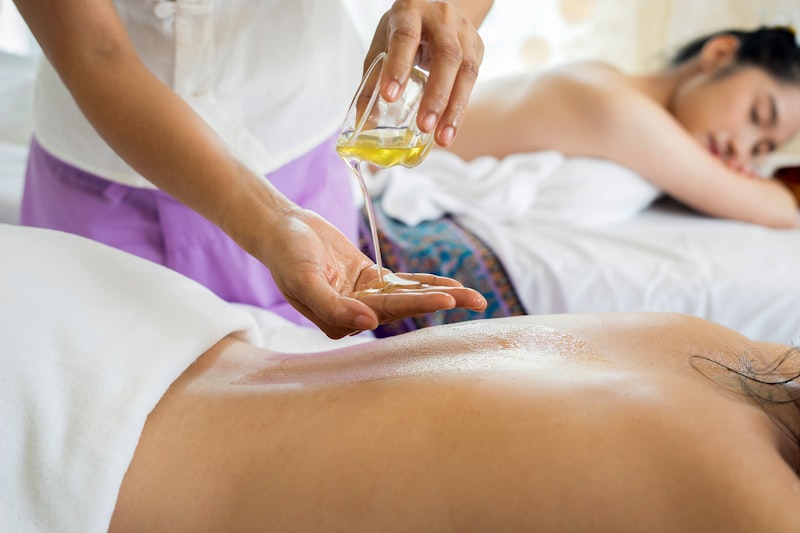
Best Massage Therapy in Connecticut
Whether you're dealing with chronic tension, recovering from an injury, or simply seeking a moment of deep relaxation, massage therapy offers profound benefits for your body and mind. Connecticut is home to numerous skilled massage therapists and wellness centers that can help you experience the healing power of therapeutic touch. From the bustling corridors of Fairfield County to the serene landscapes of the Litchfield Hills, the state provides a wide array of healing environments. If you've never tried professional massage before or you're looking to deepen your practice, this guide will help you find the right experience for your needs. Understanding how to navigate these options allows you to move from a state of stress to a state of sustainable wellness.
Understanding Your Massage Options
Connecticut's massage therapy scene offers diverse modalities to suit different wellness goals. Because every body is unique, selecting the right technique is the most important step in your journey. Swedish massage is ideal if you're a first-timer, as it uses long, flowing strokes to promote relaxation and improve circulation. This modality focuses on the topmost layers of muscle and is designed to reduce anxiety and prepare the body for deeper work. If your goal is simply to unwind after a hectic work week in a city like Stamford or Waterbury, this is often the best starting point.
Deep tissue massage targets muscle tension and knots, making it popular among athletes and those with chronic pain. Unlike Swedish massage, this technique uses slower strokes and more intense pressure to reach deeper layers of muscle and fascia. It is particularly effective for people who suffer from chronic neck stiffness or lower back pain resulting from long hours at a desk. Sports massage focuses on athletic performance and injury prevention. It often combines stretching and targeted pressure to improve flexibility and reduce the risk of strains, which is why it is a staple for Connecticut's active hiking and running communities. Therapeutic massage addresses specific conditions with targeted techniques. This might include lymphatic drainage for swelling or prenatal massage for expectant mothers.
You'll find that most Connecticut massage therapists are licensed and regulated by the state, ensuring you receive care from trained professionals who adhere to strict ethical and safety standards. Don't hesitate to ask about a therapist's credentials and specializations before booking. A qualified therapist should be able to explain their training and how it applies to your specific health goals. Many wellness centers offer initial consultations to discuss your health history, current concerns, and massage preferences. This ensures that the treatment plan is tailored to your physical requirements and your personal comfort levels.
What to Expect at Your First Appointment
Walking into a massage studio for the first time can feel unfamiliar, but knowing what to expect helps you relax more fully. The atmosphere is typically designed to lower your cortisol levels the moment you enter. Most appointments last between 50 and 90 minutes, with pricing typically ranging from $60 to $150 depending on the therapist's experience, location, and specific services offered. Luxury spas in major Connecticut towns like Hartford and New Haven may charge toward the higher end because they often include amenities like steam rooms or heated loungers. Independent practitioners and wellness studios often offer more accessible rates and a more clinical or home like feel.
When you arrive, plan to complete intake paperwork that asks about your medical history, injuries, and areas of concern. This information is vital because it tells the therapist which areas to avoid and where to focus. For example, if you have a history of blood clots or a recent surgery, your therapist needs to know this to ensure your safety. During the massage itself, you'll typically:
- Undress to your comfort level, though undergarments remain on. You are always in control of your modesty.
- Lie on a padded table under warm blankets. Most therapists use a draping technique where only the part of the body being worked on is exposed.
- Experience soothing music and aromatherapy to enhance relaxation. Many studios use essential oils like lavender or eucalyptus to stimulate the olfactory system and promote calm.
- Communicate openly about pressure, temperature, and comfort. If the pressure is too intense or the room is too cold, speaking up allows the therapist to adjust the environment for your maximum benefit.
After your session, drink plenty of water to help flush out released toxins and metabolic waste. Hydration is key to preventing the grogginess that can sometimes follow a deep session. Allow yourself time to transition gently back to daily activities. Avoid jumping immediately into a high stress meeting or a heavy gym workout. Many people feel slightly tender the next day, which is normal as your muscles adjust to the therapeutic work. This is similar to the feeling after a workout and usually fades within twenty four to forty eight hours.
Finding the Right Therapist for You
The best massage experience comes when you find a therapist whose style and expertise match your needs. The relationship between a client and a therapist is based on trust and communication. If you're seeking stress relief and general wellness, you might prioritize someone trained in relaxation techniques and with experience working with first-timers. These therapists often excel at creating a safe, nurturing space where you can mentally disconnect from your daily stressors.
If you have specific pain or injury concerns, look for therapists specializing in those areas or trained in techniques like myofascial release or trigger point therapy. Myofascial release focuses on the connective tissue that surrounds muscles, which can become restrictive over time. Trigger point therapy focuses on specific knots that cause referred pain in other parts of the body. These are more clinical approaches that require a therapist with a deep understanding of anatomy.
Consider also the ambiance you prefer. Some people thrive in upscale spa environments with luxurious amenities, such as rainfall showers and infused water stations. Others prefer the intimate, personalized atmosphere of small studios or independent practices where the therapist focuses entirely on the individual without the distractions of a large facility. Connecticut offers both options across the state, from Fairfield County's wellness-focused communities to the quieter, more rustic studios in northwestern towns.
Don't underestimate the value of online reviews and personal recommendations. Reading what other clients experienced gives you insight into a therapist's approach, professionalism, and ability to create a welcoming environment. Pay attention to comments regarding the therapist's listening skills. A great therapist does not just apply a technique, they listen to your body and your feedback. Many people find their ideal massage therapist through word-of-mouth referrals from friends and family who share similar wellness goals, such as marathon runners or fellow office workers.
Making Massage Part of Your Wellness Routine
Professional massage works best as a regular practice rather than an occasional treat. When you visit a therapist once a year, you are treating the symptoms of stress. When you visit regularly, you are managing your health. Many wellness experts recommend monthly sessions for maintenance and stress management, though your individual needs may differ. This consistency helps prevent the buildup of chronic tension and keeps the joints mobile. Some people benefit from weekly sessions while addressing specific conditions, such as recovering from a sports injury, then transition to monthly maintenance once the acute pain has subsided.
Consider combining massage with other wellness practices like yoga, meditation, or physical therapy to amplify your results. For example, a deep tissue massage can release tight muscles, which then allows you to move deeper into your yoga poses. Similarly, combining massage with mindfulness meditation can help you maintain the state of relaxation long after you have left the massage table.
Many Connecticut wellness centers offer package deals or membership options that make regular massage more affordable and convenient. These memberships often encourage a habit of self care by scheduling your appointments in advance, ensuring that wellness remains a priority in your busy calendar.
Your journey toward better health and relaxation deserves support from skilled professionals in a space that honors your wellness goals. By understanding the different modalities, knowing what to expect, and choosing a provider who aligns with your needs, you can transform your physical and mental health. Start exploring qualified massage therapists and welcoming studios near you today.
Find a venue at selfcaremap.com/category/relax