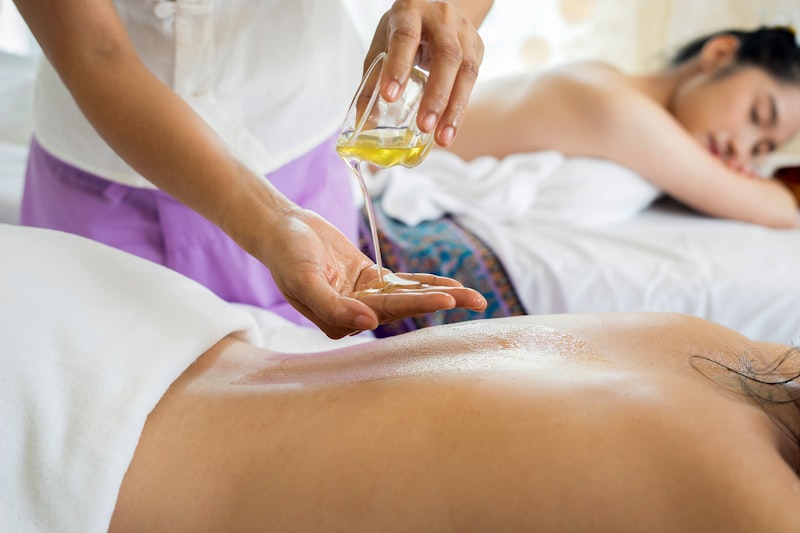
Best Deep Tissue Massage Near Washington DC
If you're carrying tension in your shoulders, lower back, or neck, you already know how deeply stress can settle into your muscles. A deep tissue massage might be exactly what your body needs to release that built-up tightness and restore your sense of ease. Whether you're dealing with chronic pain, recovering from an injury, or simply want to melt away the stress of daily life in the DC area, finding the right massage therapist can transform your wellness routine. Let's explore what makes deep tissue massage so effective and how to find the perfect session near you.
Understanding Deep Tissue Massage and Its Benefits
Deep tissue massage goes beyond simple relaxation. This therapeutic technique targets the deeper layers of muscle and connective tissue, using slow strokes and firm pressure to address areas of tension and pain. Unlike Swedish massage, which focuses on overall relaxation, deep tissue work is specifically designed to break up knots and release chronic muscle tightness.
The benefits you can expect include:
- Reduced muscle tension and pain, especially in the neck, shoulders, and lower back
- Improved blood circulation, which helps flush out toxins and deliver oxygen to tissues
- Better posture and range of motion as tight muscles release their grip
- Stress relief from the combination of physical release and therapeutic touch
- Faster recovery from injuries or intense physical activity
Many people find that regular deep tissue massage sessions help them maintain better overall wellness and prevent pain from returning.
What to Expect During Your First Session
Walking into a massage studio for the first time can feel a bit uncertain, but knowing what to expect will help you relax and get the most from your experience. Most therapists in the Washington DC area will start by asking about your health history, any injuries, and specific areas of concern. Don't hold back on these details, as this information helps your therapist customize the pressure and focus areas.
During the massage, you'll typically lie on a padded table, undressed to your comfort level and draped with sheets or blankets. The therapist will use their hands, forearms, and sometimes elbows to apply sustained pressure to tight areas. You'll feel genuine pressure, and some discomfort is normal, but you should never be in severe pain. The phrase "good pain" actually applies here, meaning you should feel that productive release rather than injury-level hurt.
Sessions usually last 60 to 90 minutes, though some studios offer shorter 30 or 45-minute options if you're new to the experience. Expect to pay between $80 and $150 for a one-hour session in the DC area, with prices varying based on the therapist's experience and the specific studio's location and amenities.
Finding the Right Therapist Near You
The Washington DC metro area has excellent wellness options, from upscale spas to specialized therapeutic clinics. When searching for your perfect match, consider these factors:
- Credentials and licensing: Look for licensed massage therapists (LMTs) who specialize in deep tissue work or sports massage
- Location and convenience: Choose a studio close to your home or workplace so you're more likely to make visits a habit
- Studio atmosphere: Some people prefer serene, spa-like environments with calming music and aromatherapy, while others do better in clinical settings focused purely on therapeutic outcomes
- Reviews and recommendations: Read what other clients experienced, especially regarding pressure intensity and results for specific issues like back pain
- Availability: Book at times that work with your schedule, whether that's early morning before work or evening appointments
Preparing for Your Massage
A few simple steps will help you maximize the benefits of your deep tissue session. Drink plenty of water before and after your massage to help flush toxins and prevent soreness. Avoid eating a heavy meal right before your appointment, and wear comfortable, easy-to-remove clothing. If possible, plan for some rest time afterward rather than jumping directly into a busy schedule.
After your massage, you might experience some mild soreness, similar to post-workout soreness, which typically fades within a day or two. This is a normal part of the healing process.
Your journey toward better muscle health and reduced pain starts with finding the right therapist. Ready to book your first session? Search for vetted massage studios and wellness venues in your area on SelfCareMap.com to find a venue at selfcaremap.com/category/relax.