Best Deep Tissue Massage Near New Orleans
When tension builds up in your muscles from daily stress, work strain, or physical activity, a deep tissue massage can be exactly what your body needs to reset. New Orleans offers plenty of opportunities to experience this therapeutic practice, whether you are a local looking to ease chronic muscle tightness or a visitor wanting to complement your vacation with some healing bodywork. Deep tissue massage works differently than relaxation focused Swedish massage. While Swedish massage focuses on the superficial layers of muscle to promote general relaxation, deep tissue work targets the inner layers of your musculoskeletal system. The therapist applies sustained pressure to reach the deeper layers of muscle and connective tissue, targeting knots and adhesions that lighter techniques might miss. These adhesions, often called knots, are bands of rigid muscle that can cause pain, restrict blood flow, and limit your range of motion. If you have never tried it before, understanding what to expect and how to prepare can help you get the most out of your session. This technique is particularly beneficial for those who suffer from chronic aches or a stiff neck and upper back, which are common issues for people spending long hours at a computer.
What to Expect During Your Deep Tissue Massage
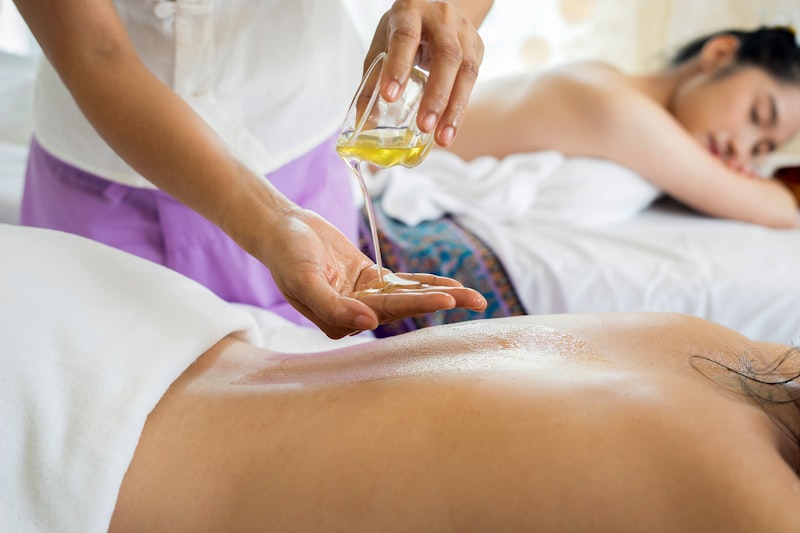
Deep tissue massage typically lasts between 60 and 90 minutes, though 90 minute sessions are often recommended for first timers since your therapist will spend time assessing your needs. During the initial consultation, your therapist will ask about your medical history and identify specific areas of pain. You will undress to your comfort level, usually removing all clothing, and lie under a sheet or blanket that covers you except for the area being worked on. This draping technique ensures your privacy and warmth throughout the process. Your therapist will apply oil or lotion to reduce friction on the skin and use slow strokes, firm pressure, and sometimes their forearms or elbows to access deeper muscle layers. The use of elbows allows the therapist to apply a more concentrated point of pressure to break up stubborn fascia restrictions.
You might feel some mild discomfort as they work through tight spots, but good communication is key. This is often described as a good pain, where the pressure feels intense but relieving. Don't hesitate to let your therapist know if the pressure is too intense. If you find yourself holding your breath or tensing your muscles to resist the pressure, the massage becomes less effective. Focus on deep, rhythmic breathing to help your muscles release and accept the work. Some soreness for a day or two afterward is normal, similar to how muscles feel after a good workout. This occurs because the therapist is moving tissues that may have been stagnant for a long time. This typically subsides quickly as your muscles relax and circulation improves, leaving you with a greater sense of flexibility and ease.
Preparing for Your Session
A few simple steps can enhance your deep tissue massage experience and ensure you get the best possible results. Arrive 10 to 15 minutes early to complete intake forms and acclimate to the calm environment. This allows you to transition from the hustle and bustle of New Orleans streets into a state of relaxation. Avoid eating a heavy meal right before your appointment, as a full stomach can be uncomfortable when lying face down on a massage table. Instead, opt for a light snack and stay well hydrated in the days leading up to your session. Water helps flush out the metabolic waste that is released from the muscles during a deep tissue session, which can prevent that post massage grogginess.
If you have specific problem areas, like lower back pain, tight shoulders, or tension headaches, mention these during your consultation so your therapist can focus attention where you need it most. Being specific about where you feel the most restriction helps the therapist create a customized plan for your body. Wear comfortable, loose clothing to your appointment, and plan to relax afterward rather than rushing back to stressful activities. Rushing back into traffic or a high stress work meeting can either negate the relaxation benefits or cause your muscles to tighten back up. Many people find that scheduling a massage in the late afternoon or evening allows them to wind down for the night afterward. To maximize the benefits, consider taking a warm Epsom salt bath after your appointment to further soothe the muscles and support the detoxification process.
Finding the Right Venue in New Orleans
New Orleans has a wonderful range of wellness venues offering deep tissue massage, from upscale spa resorts in the French Quarter to neighborhood studios throughout the city. Depending on your goals, you might choose a luxury environment for a full day of pampering or a clinical studio focused strictly on therapeutic recovery. You will find that pricing typically ranges from $90 to $150 for a 60 minute session, with 90 minute sessions running between $135 and $225, depending on the venue's location and therapist experience. Established spas with multiple amenities like saunas, steam rooms, or relaxation lounges may cost slightly more than independent massage studios, but the extra facilities can add value if you want to extend your wellness time. For example, using a steam room before your massage can help warm up the muscles, making the deep tissue work more effective and less abrasive.
Many venues offer package deals if you are interested in regular monthly sessions, which is a smart investment if you deal with chronic tension. Consistency is vital for long term improvement in muscle health. When researching venues, look for licensed massage therapists with specialized certification in deep tissue or trigger point therapy. Reading client reviews can give you insight into whether therapists there are known for effective pressure and genuine skill. Pay attention to reviews that mention the therapist's ability to listen and adjust pressure, as this is a sign of a professional practitioner. Don't hesitate to call ahead with questions about their approach or to discuss any health concerns like recent injuries, surgeries, or medical conditions that might affect your massage. Some conditions, such as blood clots or severe inflammation, may require a different approach or a doctor's clearance before proceeding.
Make Deep Tissue Massage Part of Your Self-Care Routine
Whether you are managing sports injuries, work related tension, or simply want to prioritize your physical wellness, deep tissue massage is a powerful tool for recovery and relaxation. By addressing the root cause of muscle tightness rather than just the surface symptoms, you can prevent future injuries and improve your overall quality of life. Incorporating this practice into your monthly routine helps maintain a healthy range of motion and reduces the accumulation of stress in the body. The key is finding a skilled therapist in a venue where you feel comfortable and supported. Your body will thank you for the investment in healing touch.
Ready to book your deep tissue massage? Explore wellness venues near you at SelfCareMap.com/category/relax to find the perfect spot for your next session.