Best Acupuncture Near Me: What to Expect on Your First Visit
Finding the right acupuncture clinic can feel overwhelming—especially if it’s your first time trying this ancient healing practice. But knowing what to expect can turn nervous anticipation into calm confidence. Here’s your complete guide to your first acupuncture visit, so you walk in prepared and leave feeling informed.
Before You Arrive: Preparation Matters
What to Wear & Bring:
- Loose, comfortable clothing (you’ll likely need to roll up sleeves or pants to access points on arms, legs, back, or abdomen)
- Avoid tight jeans, belts, or restrictive undergarments
- Eat a light meal 1–2 hours beforehand (never come on an empty or overly full stomach)
- Avoid caffeine, alcohol, or heavy meals 2–4 hours prior
- Bring a list of current medications, supplements, and relevant health conditions
- Consider bringing a water bottle—you may feel thirsty after treatment
What to Expect During Check-In:
- You’ll complete a brief health history form (current symptoms, past treatments, medications, lifestyle factors)
- The practitioner may take your pulse at both wrists (a key diagnostic in Traditional Chinese Medicine)
- They’ll likely examine your tongue (color, coating, shape—another important TCM assessment tool)
- Abdominal palpation may occur (checking for tenderness, temperature, or tension in specific areas)
- Be ready to discuss your main concerns and goals for treatment openly
The Treatment Room Experience
Environment & Setup:
- A quiet, warm, private room (often with a treatment table resembling a massage table)
- Soft lighting, possibly calming music or nature sounds
- The acupuncturist will wash their hands thoroughly before beginning
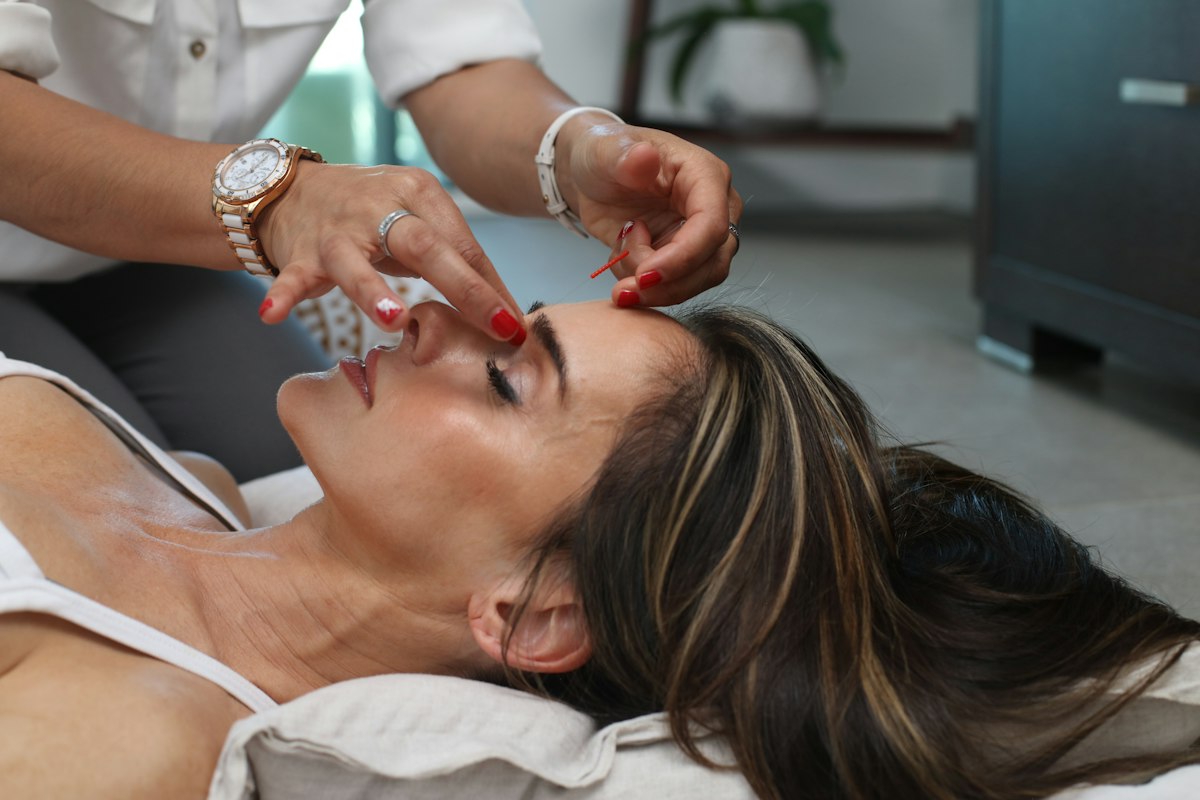
- You’ll typically lie face-up (supine) for most sessions, though side-lying or prone positions are used for specific points
The Needle Process:
- Extremely fine, sterile, single-use needles (about the thickness of a human hair—0.16mm to 0.25mm)
- Insertion feels like a tiny mosquito bite or mild pressure—rarely painful
- Most people describe sensations as: dull ache, warmth, tingling, heaviness, or a subtle electric-like pulse
- Needles typically remain in place for 15–45 minutes while you rest quietly
- The acupuncturist may gently manipulate needles (twisting, flicking, or adjusting depth) to enhance stimulation
- You might feel immediate relaxation, a wave of calm, or increased awareness in specific body areas
Common Sensations During & After:
- Deep relaxation often follows—some patients even fall asleep briefly
- Local warmth or mild itching around needle sites is normal
- Light-headedness or dizziness can occur (rise slowly afterward)
- Emotional release—unexpected tears or laughter—is not uncommon
- Increased energy or mental clarity frequently appears hours later
- Temporary bruising or small spots (like pinpricks) may appear but fade within 24–48 hours
After Your Session
Immediate After-Effects:
- You’ll likely feel deeply relaxed—often described as “calm,” “grounded,” or “lighter”
- Thirst is common—drink water slowly afterward
- Avoid strenuous exercise, hot tubs, saunas, or alcohol for at least 6 hours
- Refrain from checking phone messages or emails immediately—allow your nervous system to integrate the treatment
- Gentle movement like walking is encouraged; intense workouts should wait
Results Timeline:
- Subtle changes often appear within 24 hours (better sleep, improved digestion, reduced stress)
- Noticeable symptom improvement frequently emerges in 3–5 treatments (chronic pain, anxiety, headaches)
- For complex or long-standing issues, significant relief may take 6–10+ sessions
- Many incorporate acupressure, herbal advice, or lifestyle tips into their ongoing wellness plan
Questions to Ask Your Practitioner
Before Treatment:
- “How many years have you practiced acupuncture?”
- “Are you licensed and certified in acupuncture or Oriental Medicine?”
- “What style or tradition of acupuncture do you follow?”
- “Have you treated conditions similar to mine before?”
- “What should I do to prepare for my first session?”
During Treatment:
- “Can you explain what you’re feeling as you place each needle?”
- “Is this sensation normal for this point?”
- “Should I breathe in a particular way during needling?”
- “Are there any points I should avoid moving or pressing after?”
After Treatment:
- “What self-care practices do you recommend between sessions?”
- “Are there any foods, drinks, or activities to avoid?”
- “How will I know if this is working for me?”
- “When should I schedule my next visit for optimal results?”
Red Flags: When to Seek Another Practitioner
- Significant pain during needle insertion that doesn’t quickly subside
- Feeling faint, dizzy, or nauseous during or after treatment
- Noticeable bleeding, bruising, or swelling that worsens or doesn’t resolve
- Increased pain, numbness, or weakness in treated areas afterward
- The practitioner seems distracted, rushed, or unable to answer your questions clearly
- You feel unheard, disrespected, or uncomfortable discussing your health concerns
Making the Most of Your Experience
Maximize Benefits:
- Arrive 10–15 minutes early to complete paperwork without rushing
- Use the bathroom beforehand if needed—comfort helps relaxation
- Communicate openly about your comfort level—good practitioners adjust in real-time
- Focus on your breath—slow, deep breathing enhances the treatment’s effects
- Notice subtle shifts in your body—awareness builds progress over time
Remember: Your first acupuncture visit is primarily about establishing comfort, safety, and a baseline understanding of how your body responds. Healing is a journey—not a single event. Trust the process, communicate honestly with your practitioner, and allow yourself to receive this time-tested healing modality with an open mind and heart. You’ve taken the first step toward better well-being—now let the healing begin.