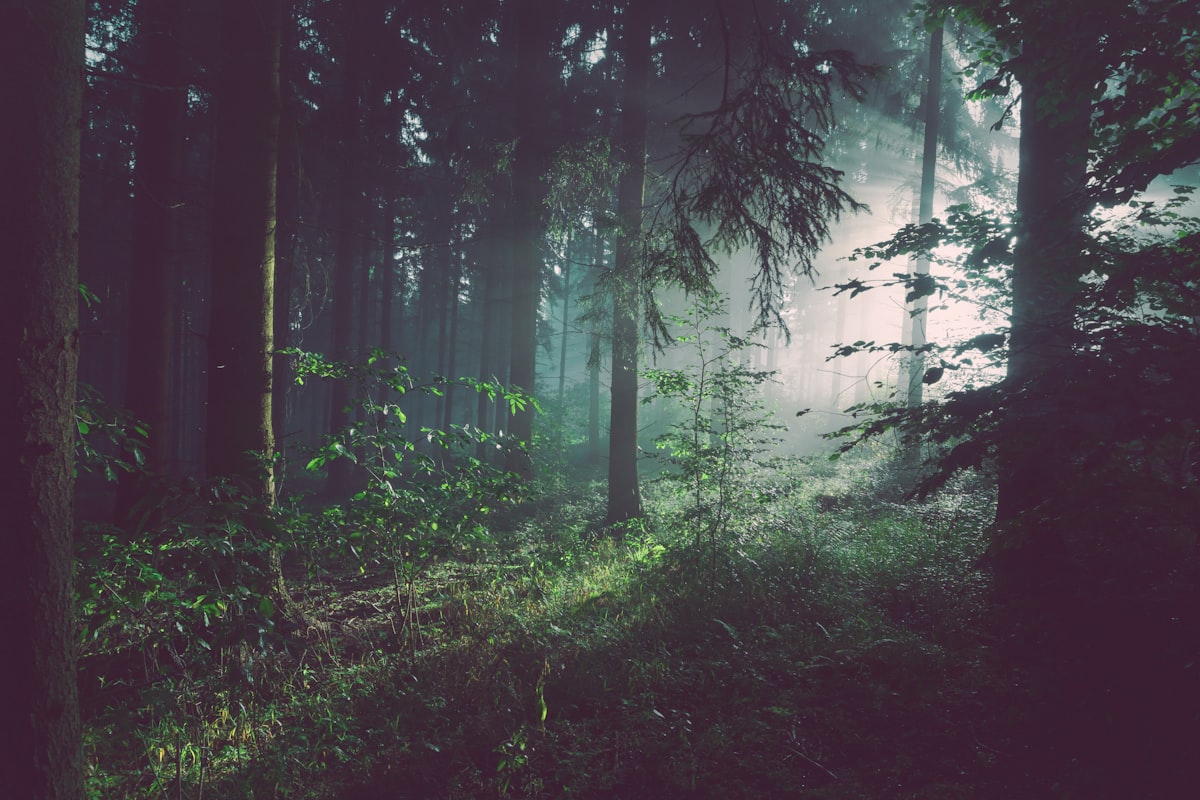
Benefits of Camping for Mental and Physical Health
Category: Escape
In a world that moves at lightning speed, filled with screens, deadlines, and constant noise, it is easy to feel drained, anxious, or disconnected. That is where camping comes in. More than just a weekend getaway or a chance to roast marshmallows under the stars, camping is a powerful reset button for both mind and body. Whether you are pitching a tent in the woods, parking your RV by a lake, or backpacking into the wilderness, stepping into nature offers profound benefits that extend far beyond the trip itself.
The modern environment often keeps us in a state of high alert, where we are constantly reacting to notifications and urban stressors. Transitioning from a concrete jungle to a forest or mountain range allows the brain to shift from a state of focused attention, which is exhausting, to a state of soft fascination. This shift allows your cognitive resources to replenish, leaving you feeling mentally sharp and emotionally balanced.
Here is how camping nurtures your mental and physical well-being, and why it might be one of the best forms of self-care you can give yourself.
🌲 1. Reduces Stress and Anxiety
One of the most immediate benefits of camping is its ability to lower stress levels. Being in nature has been scientifically shown to reduce cortisol, the hormone associated with stress. The gentle sounds of rustling leaves, flowing water, or birdsong activate the parasympathetic nervous system, which helps your body relax and recover. This process effectively tells your brain that you are safe, allowing your heart rate to slow and your muscles to loosen.
Without the constant pings of emails and social media, your mind gets a chance to unwind. Digital detoxification is a core part of the camping experience. When you remove the pressure of instant accessibility and the habit of scrolling through curated lives on social media, you eliminate a significant source of social anxiety. Studies have even found that spending just 20 to 30 minutes in nature can significantly lower anxiety. Imagine what a full weekend, or longer, can do. To maximize this effect, try practicing a simple grounding exercise upon arrival, such as identifying five things you can see and four things you can touch in your immediate environment.
🧠 2. Improves Mood and Fights Depression
Exposure to natural light and green spaces boosts serotonin production, a neurotransmitter linked to feelings of happiness and well-being. Camping often involves sunlight, fresh air, and physical movement, all of which are natural mood enhancers. Sunlight triggers the release of endorphins, which act as natural painkillers and mood lifters, helping to lift the heavy fog often associated with depressive episodes.
Moreover, the sense of accomplishment from setting up camp, starting a fire, or navigating a trail builds confidence and combats feelings of helplessness often tied to depression. These small wins, like successfully pitching a tent or preparing a meal over an open flame, provide a sense of mastery and competence. Being outdoors encourages mindfulness, which is the practice of being present in the moment. This is a proven tool in managing depressive symptoms because it pulls the mind away from negative thought loops about the past or future and anchors it in the immediate, sensory experience of the wilderness.
💪 3. Encourages Physical Activity (Without Feeling Like Exercise)
Camping is not just sitting around a fire, though that is important too. It naturally incorporates movement that engages multiple muscle groups. Hiking to your site, gathering firewood, swimming, paddling, or even just walking to the restroom at night requires a level of physical exertion that often exceeds our daily city routines. These activities improve cardiovascular health, strengthen muscles, and enhance flexibility.
The best part is that it does not feel like a workout. When you are exploring a trail or playing frisbee with friends, exercise becomes enjoyable, not a chore. This is often referred to as incidental exercise. Instead of staring at a clock on a treadmill, you are focused on the scenery or the destination. This makes it easier to stay active consistently, especially for those who struggle with traditional gym routines. For those looking to increase the physical benefit, try incorporating a few hours of kayaking or a steep incline hike to get the heart rate higher.
😴 4. Improves Sleep Quality
Your body runs on a circadian rhythm, an internal clock that regulates sleep and wakefulness. Artificial light, especially the blue light emitted from phones and laptops, disrupts this rhythm by suppressing the production of melatonin. This leads to poor sleep quality and a feeling of grogginess upon waking.
Camping helps reset this internal clock. With natural light cycles guiding your day, such as waking with the sun and winding down at dusk, your body begins to produce melatonin at the right time. The physical exertion of the day also contributes to a deeper state of exhaustion, which helps you fall asleep faster. Many campers report sleeping more deeply and waking up feeling refreshed after just a few nights under the stars. To further improve your sleep while camping, try to keep your sleeping area cool and avoid using electronic devices for at least one hour before bed.
❤️ 5. Strengthens Social Bonds
Camping is often a shared experience. Whether with family, friends, or even solo adventurers who connect with others at campgrounds, it fosters meaningful interaction. Without digital distractions, conversations flow more deeply. You are forced to look at the people you are with rather than a screen, leading to more eye contact and active listening.
Shared tasks like cooking meals, managing a campfire, or setting up tents build teamwork and trust. These collaborative efforts create a sense of camaraderie and mutual reliance that is often missing in the individualistic nature of urban life. Strong social connections are linked to lower rates of anxiety and depression, higher self-esteem, and even longer life. In short, camping does not just heal you, it helps you heal together. It provides a neutral ground where families can reconnect and friends can forge deeper memories.
🧘 6. Boosts Mindfulness and Mental Clarity
Nature has a way of slowing down time. When you are camping, you are more likely to notice the details, such as the way light filters through trees, the smell of pine after rain, or the sound of your own breath. This heightened awareness cultivates mindfulness, a state of focused, non judgmental presence.
Mindfulness reduces rumination, which is the act of overthinking a problem or a negative event over and over again. By shifting your focus to the external world, you break the cycle of internal stress. This mental space improves concentration and enhances emotional regulation. Many people return from camping trips with greater clarity, creativity, and a renewed sense of purpose. To deepen this experience, try a short period of silent observation, where you sit still for ten minutes and simply listen to the sounds of the forest without trying to name or categorize them.
🛡️ 7. Strengthens the Immune System
Believe it or not, spending time in forests can literally boost your immunity. Trees release airborne compounds called phytoncides, which are organic volatile compounds that plants use to protect themselves from insects and decay. When humans breathe in these compounds, it has been shown to increase the activity of natural killer cells, which are white blood cells that help fight infection and even cancer.
This phenomenon, known as forest bathing or Shinrin yoku in Japan, is linked to lower blood pressure, reduced inflammation, and improved immune function. It is not just about the physical chemistry of the air, but also the reduction of stress, which prevents the immune system from being suppressed by chronic cortisol. So yes, hugging a tree or simply walking through a dense grove of pines might actually be good for your health.
🌿 Final Thoughts: Camping as a Form of Escape—and Return
Camping is not just about escaping the daily grind, it is about returning to yourself. It strips away the noise and reminds us of what matters, including connection, simplicity, and the quiet strength found in nature. By removing the layers of modern complexity, you can rediscover your own resilience and inner peace.
You do not need fancy gear or a remote mountain peak to reap these benefits. Even a one night trip to a local campground can leave you feeling lighter, clearer, and more alive. The goal is not perfection, but presence.
So the next time you feel overwhelmed, consider trading your Wi Fi password for a trail map. Your mind and body will thank you.
🏕️ Adventure awaits, and so does your well being.
Have you experienced the healing power of camping? Share your favorite outdoor memory in the comments below!